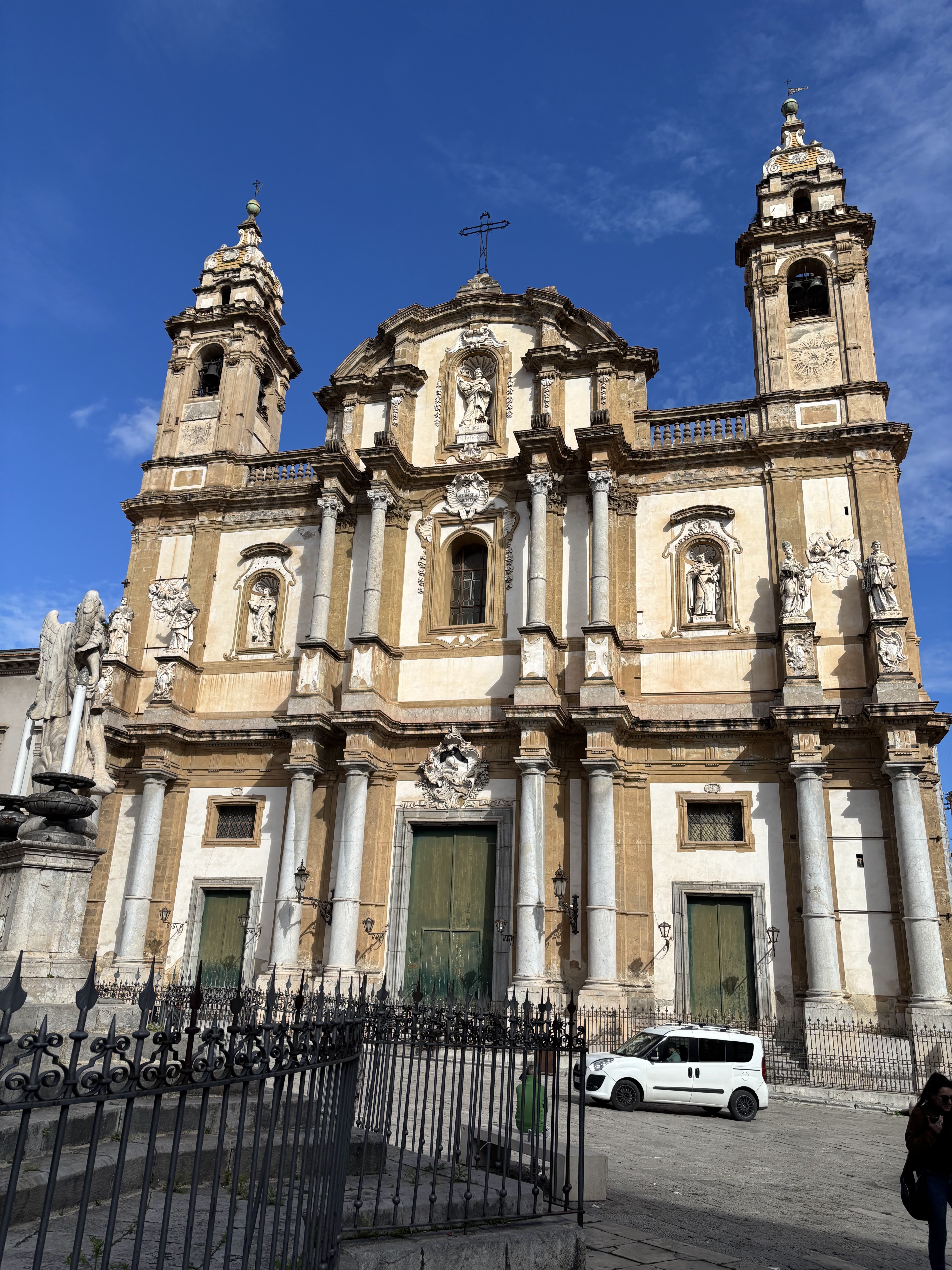
This time on Mike on the Move, I wasn’t traveling alone. My companion for this journey was Nana, a woman who holds a very special place in my life. When unexpected circumstances forced my daughter, Danon, to be away during the first year of my grandson Harvey’s life, Nana stepped in and helped raise him. As a small thank you for the love and care she gave, I decided to take her along on this trip to Palermo, Sicily. Having someone to share the adventure with made the experience all the richer.
We checked into the Hotel Wagner, a place that feels more like stepping into a time capsule than a hotel. Named after the composer Richard Wagner, who lived in Palermo for a while, the hotel is dripping with old-world elegance—ornate chandeliers, velvet curtains, polished marble floors. It felt like a palace, and for a few days, we let ourselves believe it was. From our rooms, we could hear the rhythm of the city, from honking scooters to neighbors chatting from their balconies, reminding us that Palermo is alive in every way.
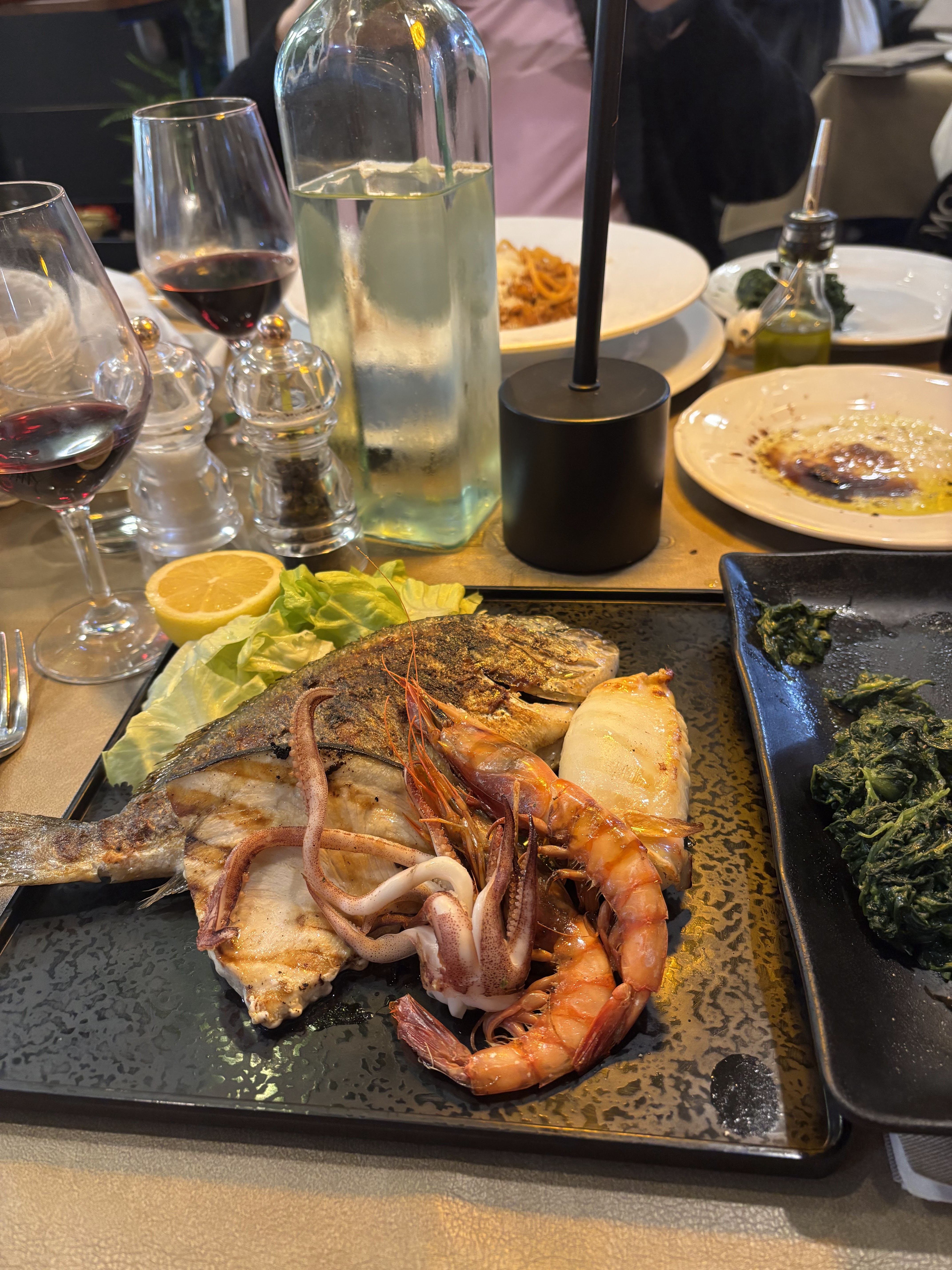
Our first day was about easing into the city. Orange trees lined the streets, their fruit hanging like bright ornaments, and the air seemed to carry a sweetness because of it. What struck us right away was how much Sicilians love to eat and drink outside. Every piazza was alive with small tables and chairs, people sipping espresso or wine, sharing plates of food, and laughing like time didn’t matter. The restaurants were unbelievable—fish so fresh it tasted like the sea itself, pasta cooked perfectly, and desserts that made us rethink what sweets were supposed to be. We ate a lot of fish here—grilled swordfish, sardines stuffed with herbs, and even octopus so tender it practically melted.
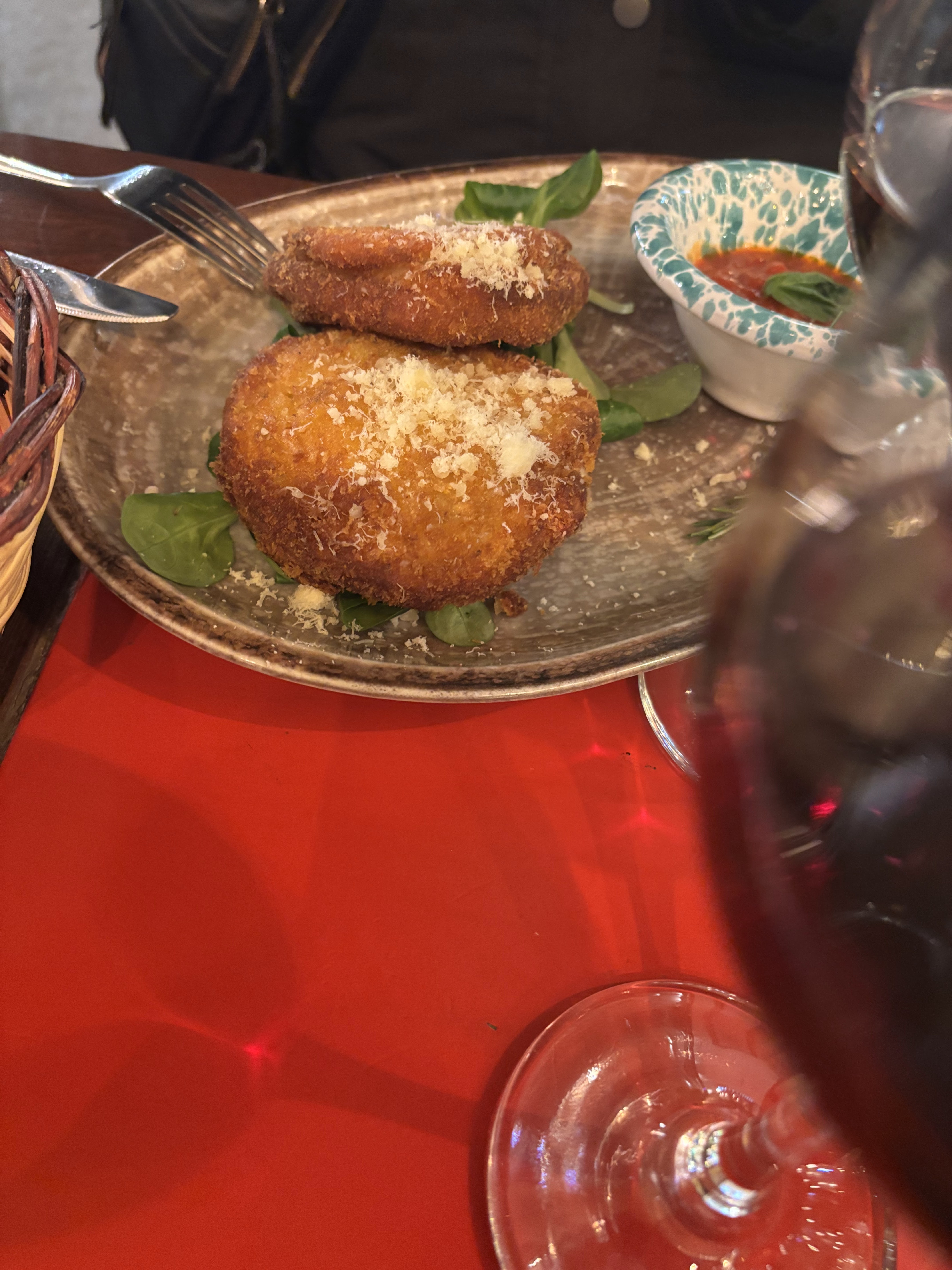
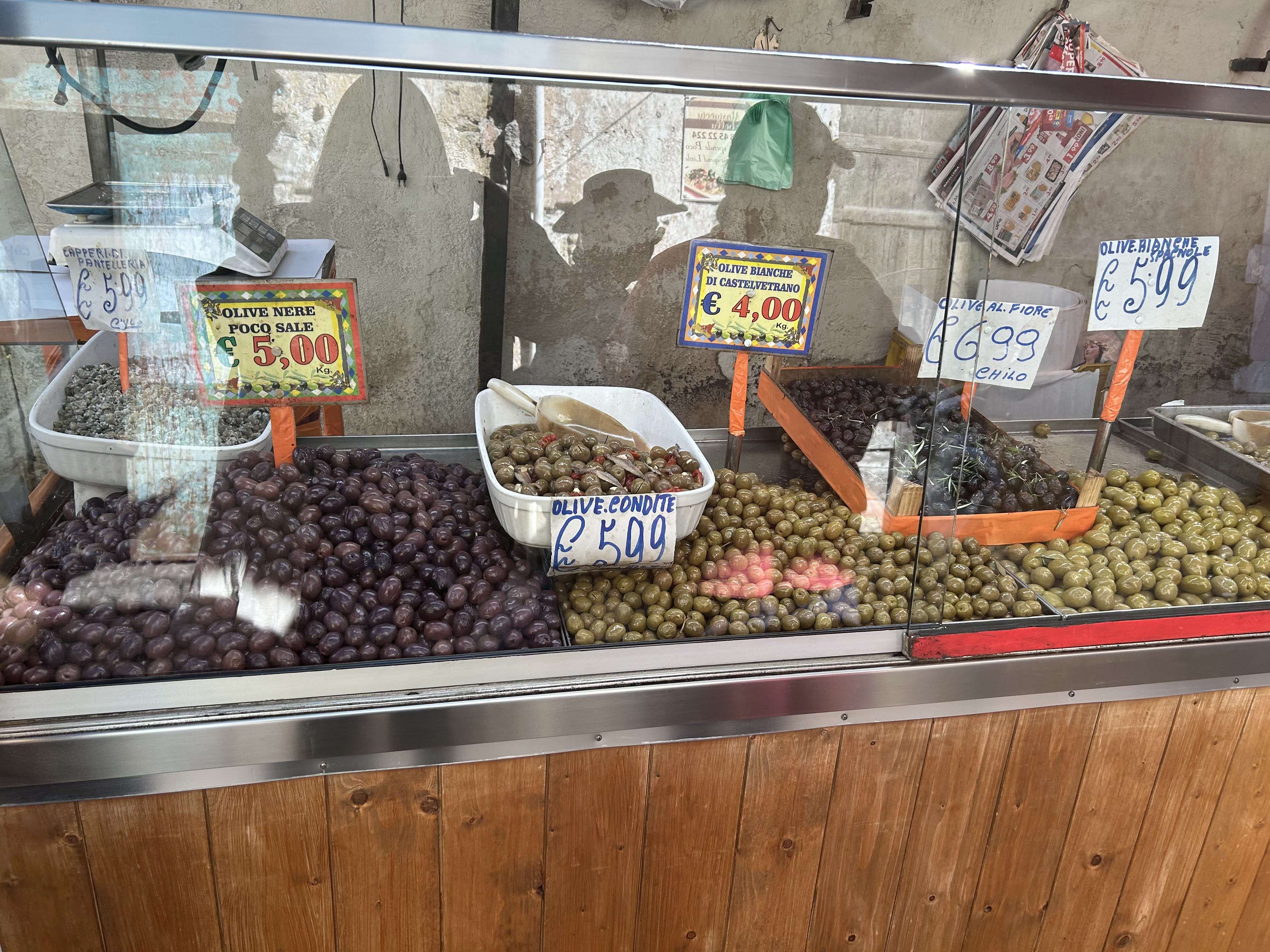
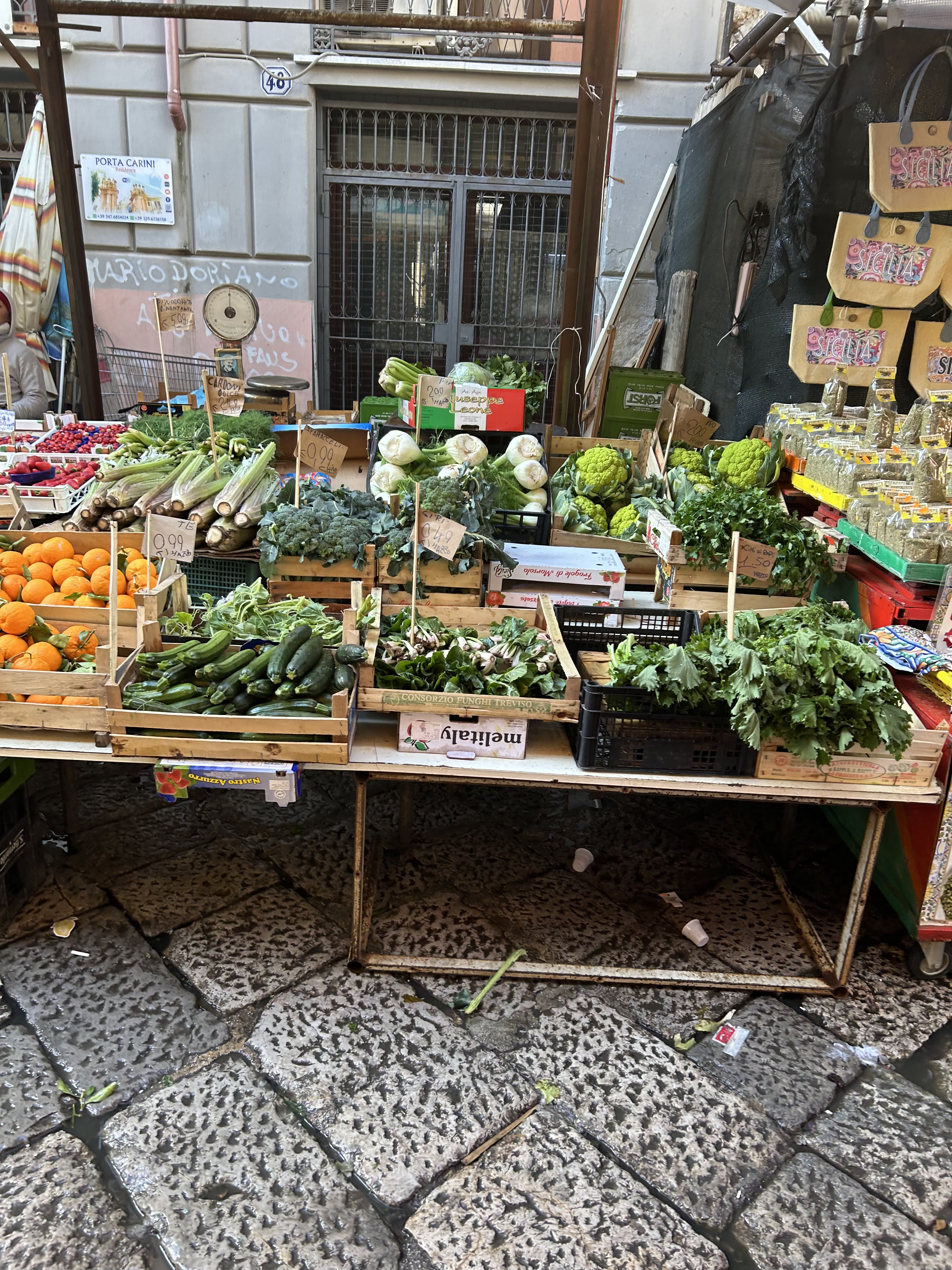
Day two started with a trip to the Capo Market, one of the oldest street markets in Palermo. Imagine a carnival of food: vendors shouting out deals, tables piled high with glistening fish, baskets overflowing with oranges, lemons, and figs, spices perfuming the air. We joined a street food walking tour, and our guide introduced us to fried arancina, chickpea fritters, and sfincione, a thick Sicilian pizza. It was cheap, too. A few euros got you a feast, and Nana couldn’t stop marveling at how good everything tasted. It reminded me that sometimes the best meals in the world don’t come from fancy restaurants—they come from markets where people have been cooking the same dishes for generations.
We also visited the Capuchin Catacombs, which was unlike anything I’ve ever experienced. Beneath the city lies a chilling but fascinating resting place where thousands of mummified bodies, some dressed in their Sunday best, line the walls. Dating back to the 16th century, it began as a burial site for monks but later became the place where wealthy families wanted their loved ones preserved. It’s eerie, no doubt, but also a sobering reminder of how deeply history runs in Sicily—that sense that life and death, beauty and darkness, all exist side by side here.
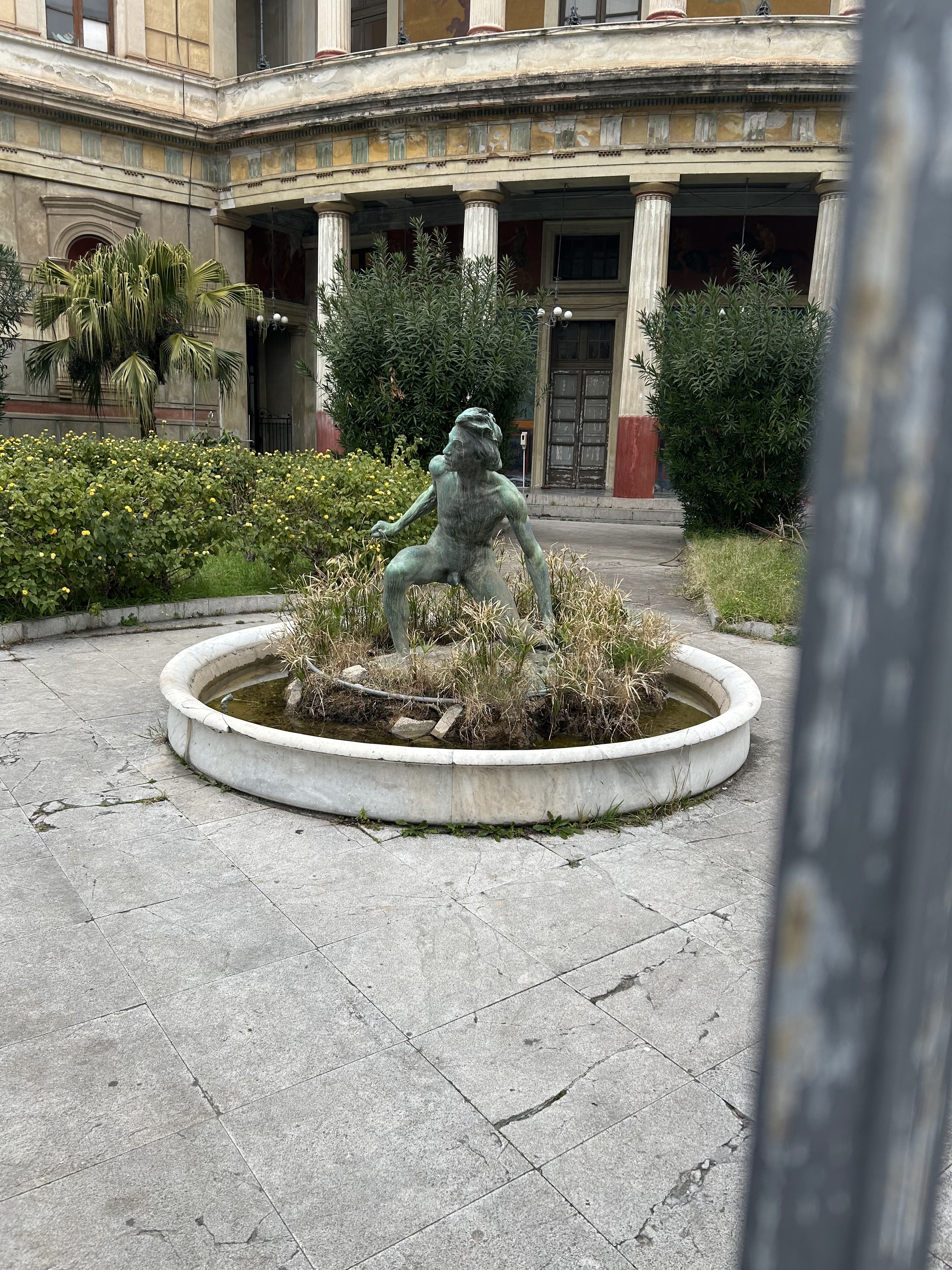
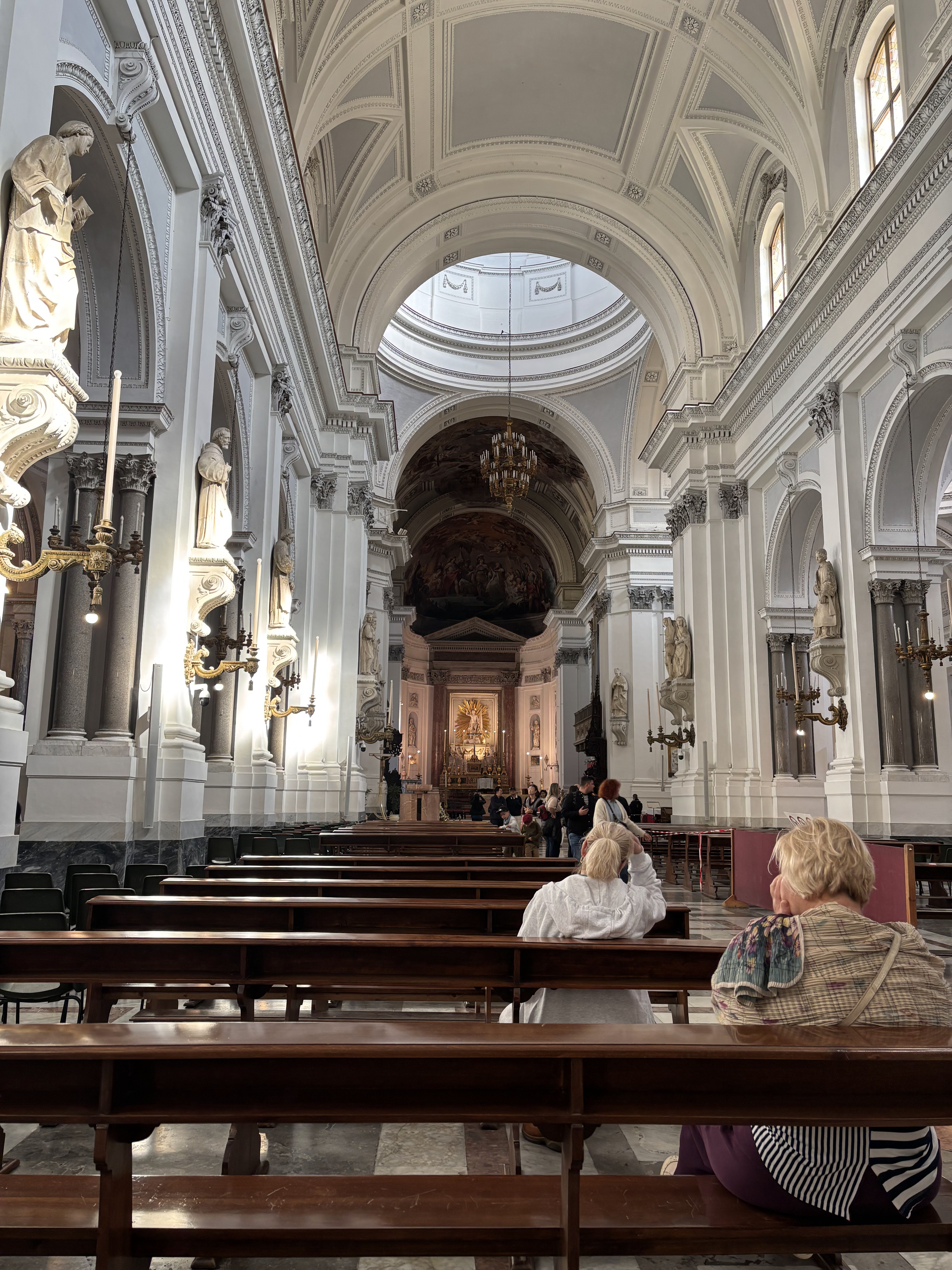
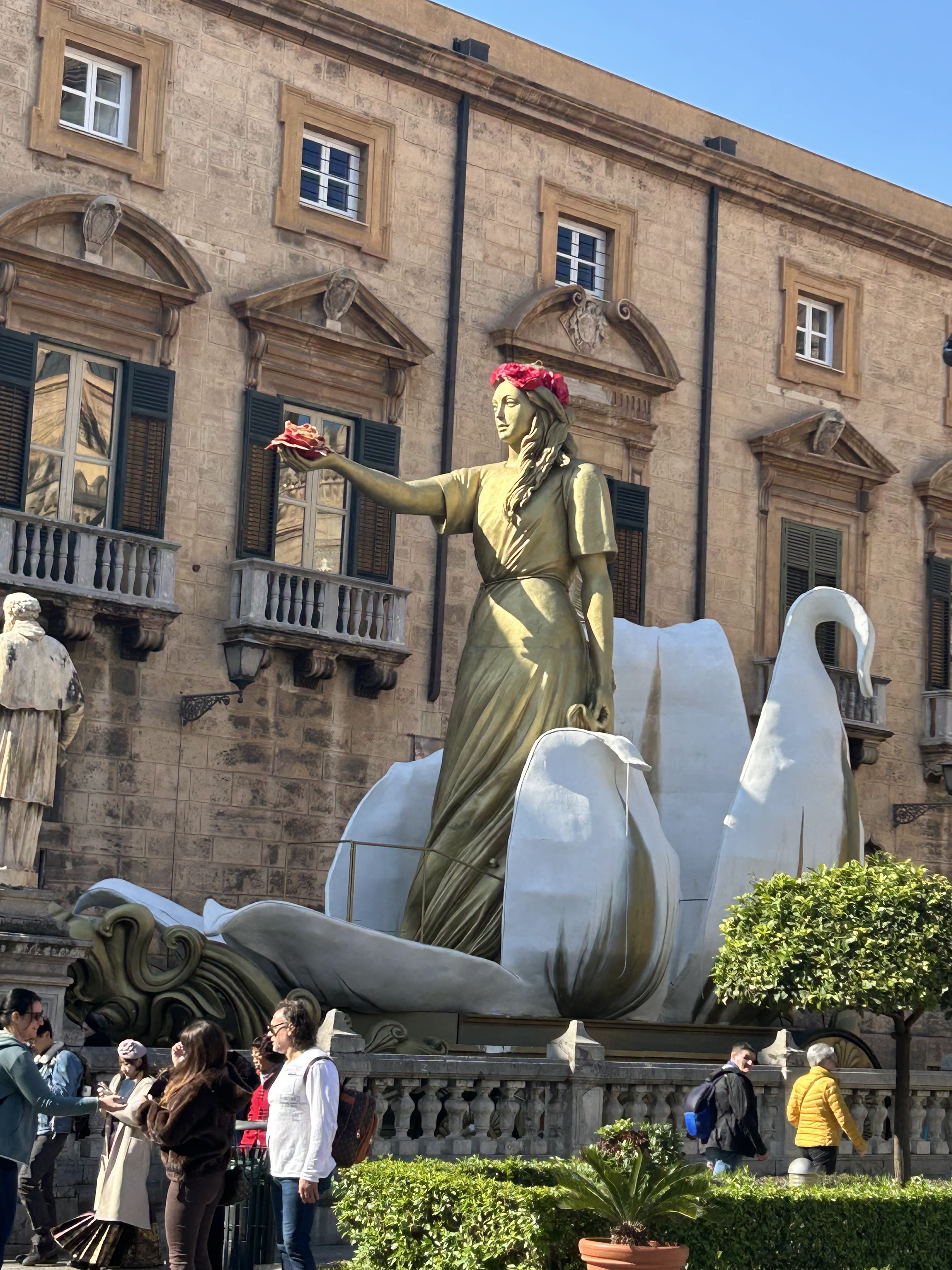
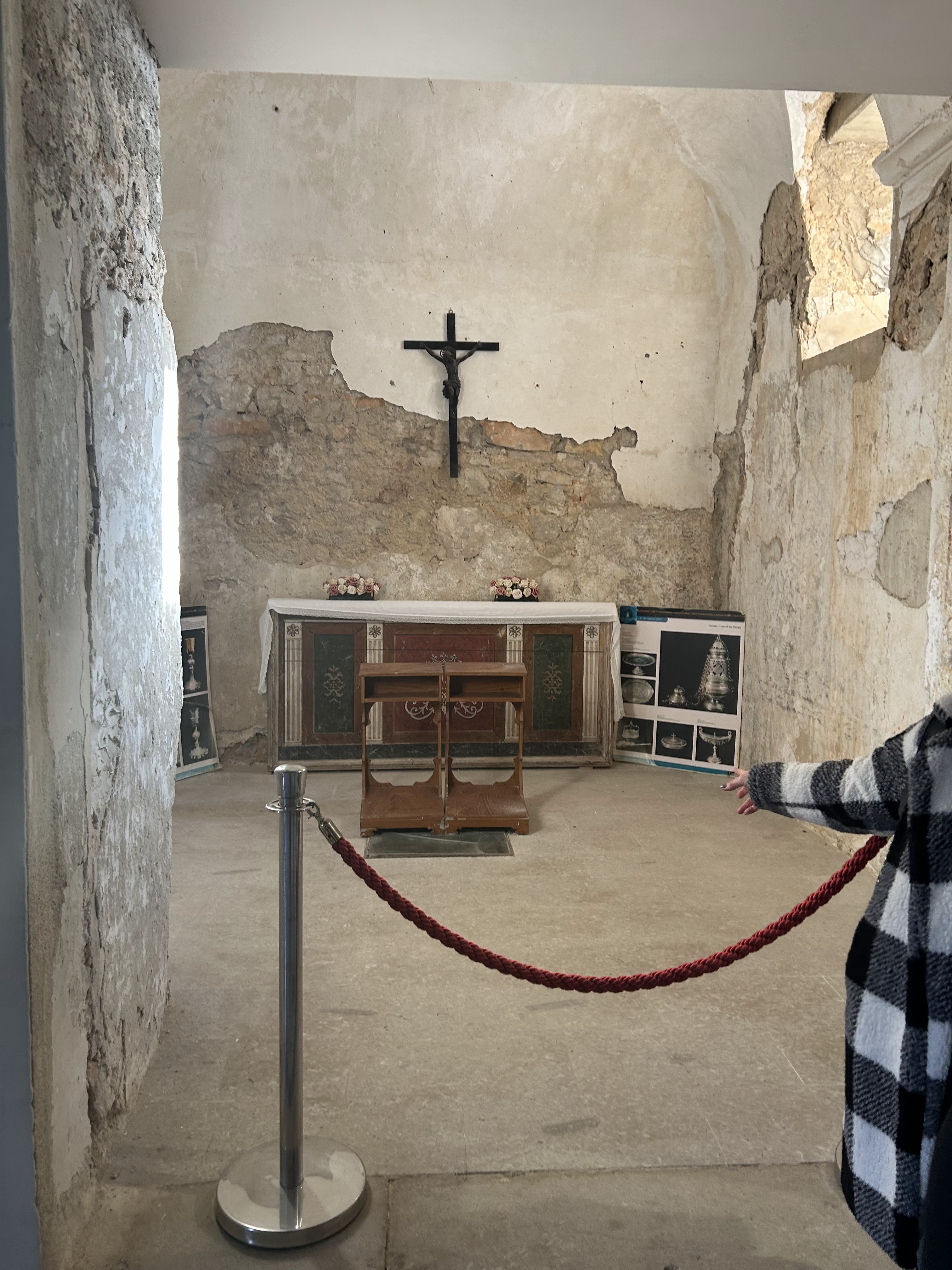
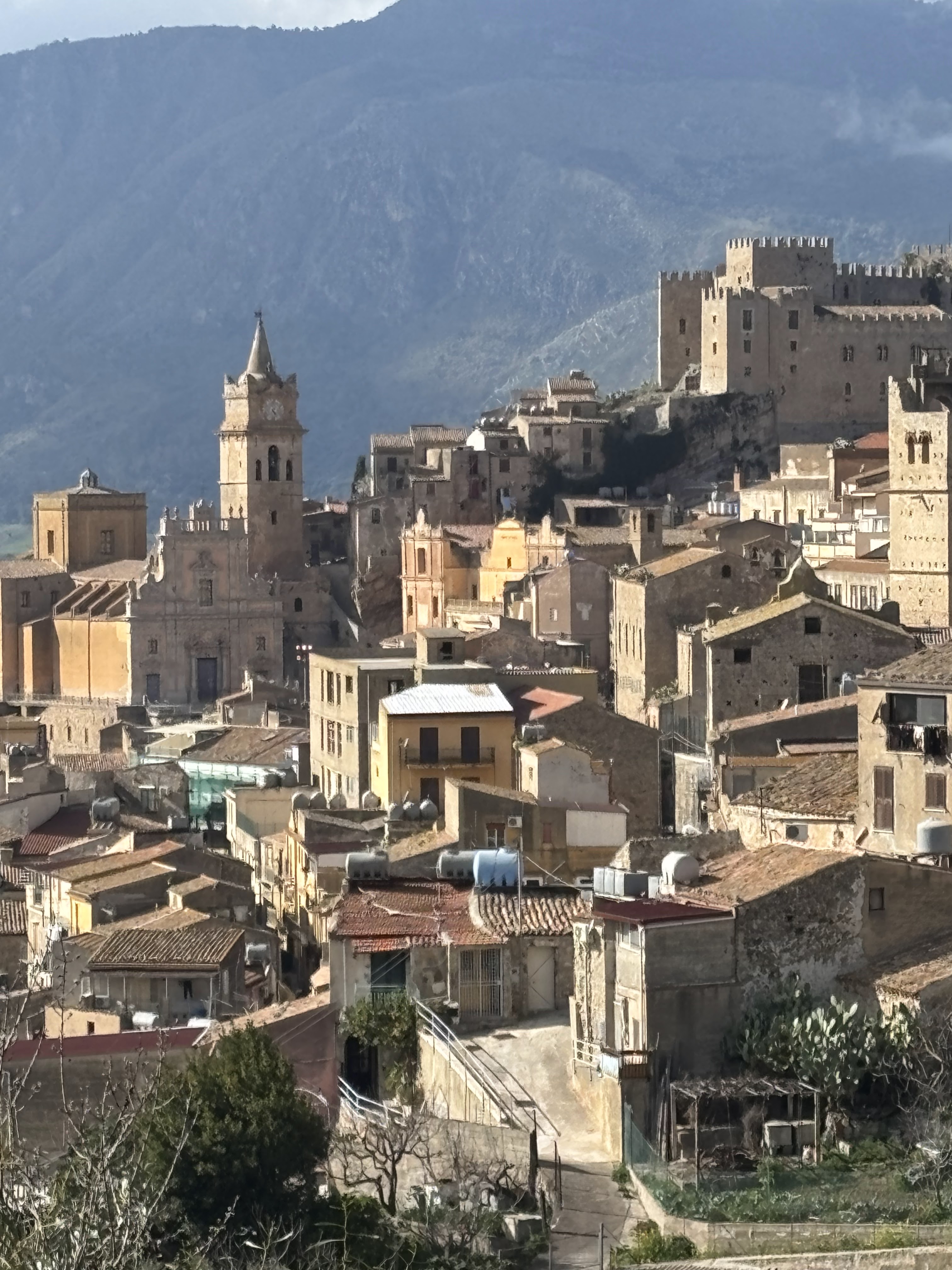
The following day took us out into the countryside, winding through hills where medieval castles rise above olive groves and vineyards. From their weathered stones, you could feel the centuries pressing down, whispering of knights, kings, and conquests. Sicily has always been a crossroads of civilizations—Greeks, Romans, Arabs, Normans—all leaving their mark on the architecture, the food, even the language. Walking through these places, you don’t just see history—you feel it pressing against your shoulders.
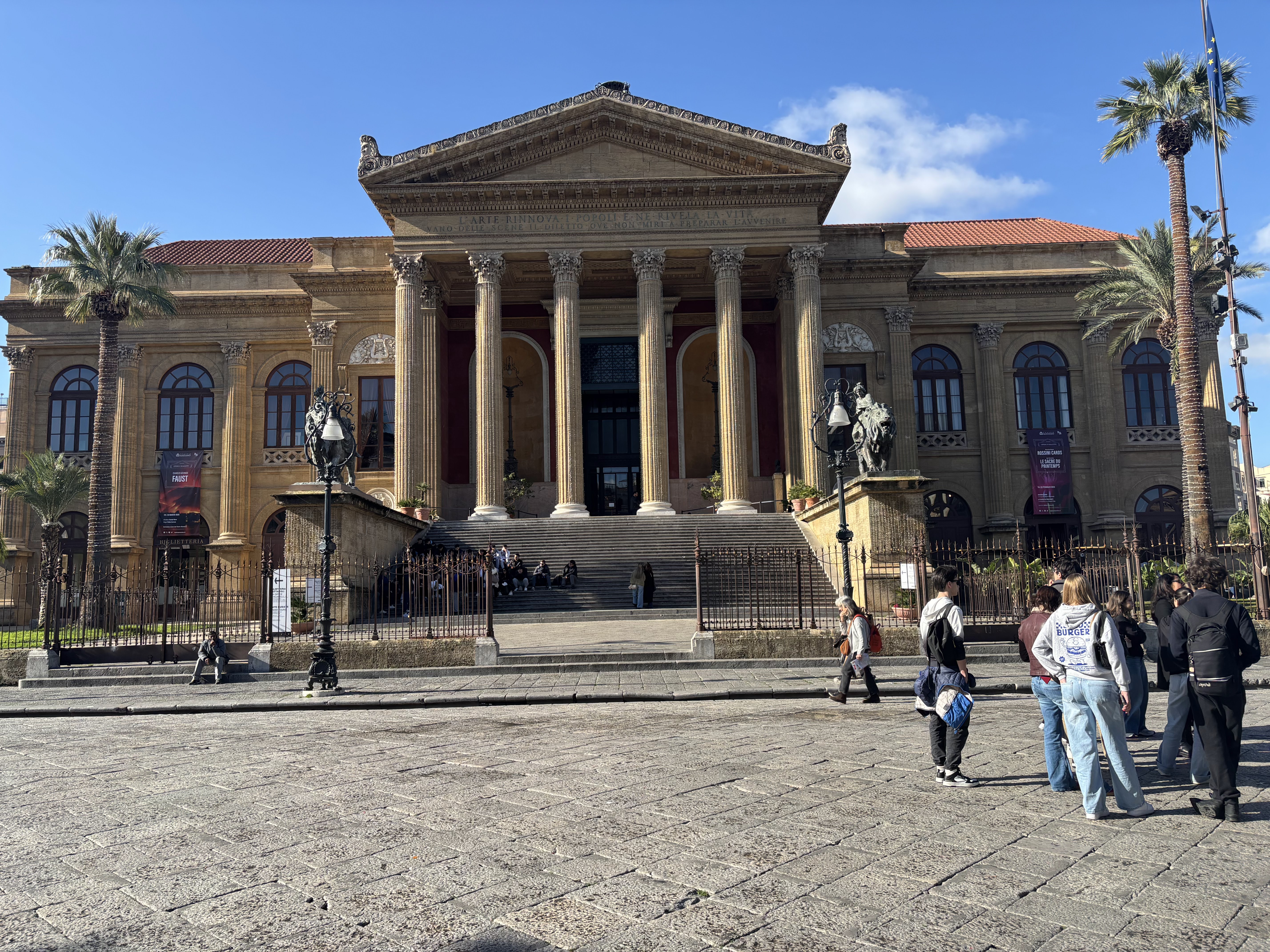
Back in the city, we toured the Teatro Massimo, the third-largest opera house in Europe, and one of the most stunning buildings I’ve ever stepped inside. Its marble staircases and gilded ceilings felt straight out of a movie—which, in fact, they are. The final scenes of The Godfather Part III were filmed here, a fitting reminder of the undeniable presence of the mafia in Palermo’s story. You can sense it in the way locals talk around it—like an uninvited guest everyone knows is in the room.
The port was another highlight—busy, loud, colorful. Vendors filled the streets, selling everything from handmade crafts to cheap souvenirs. Shopping in Palermo is its own kind of adventure. You can find high-quality leather goods, clothes, jewelry, and ceramics for a fraction of what they’d cost anywhere else in Europe. Nana and I had a blast wandering the stalls, haggling good-naturedly, and filling our bags with treasures. The best part? It didn’t break the bank. Palermo is generous that way—it feeds you well, lets you shop to your heart’s content, and leaves you feeling richer for the experience without emptying your wallet.
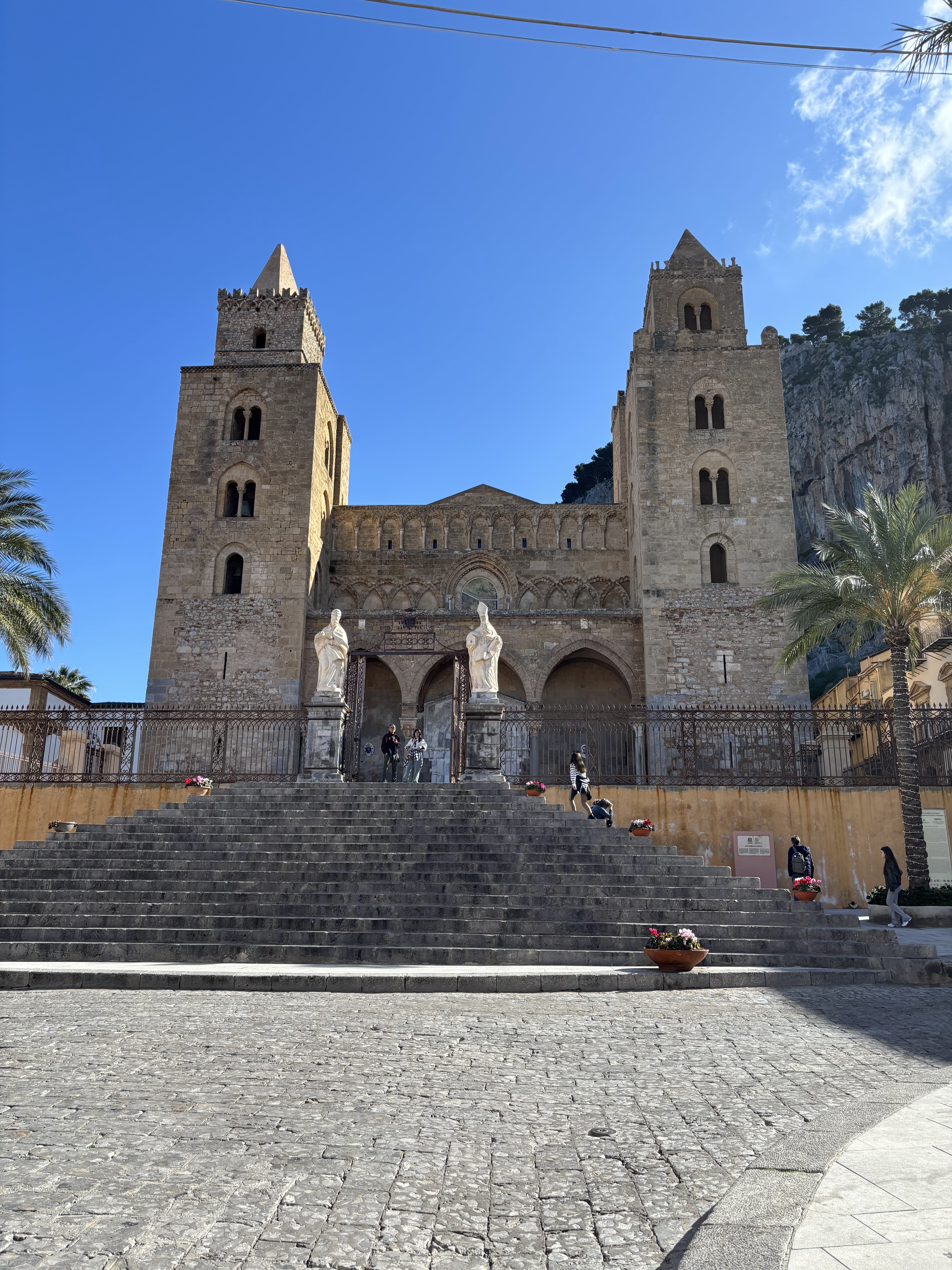
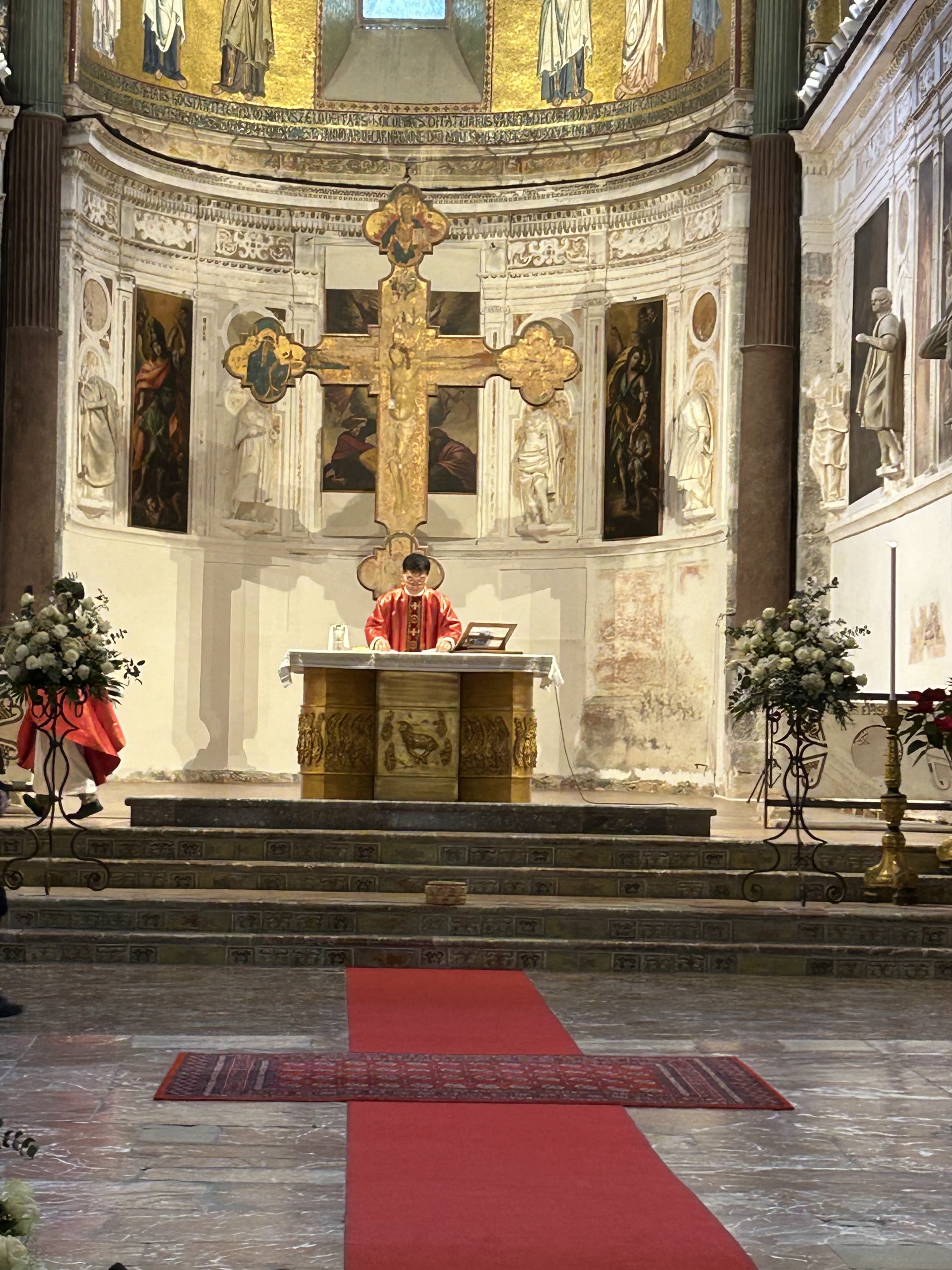
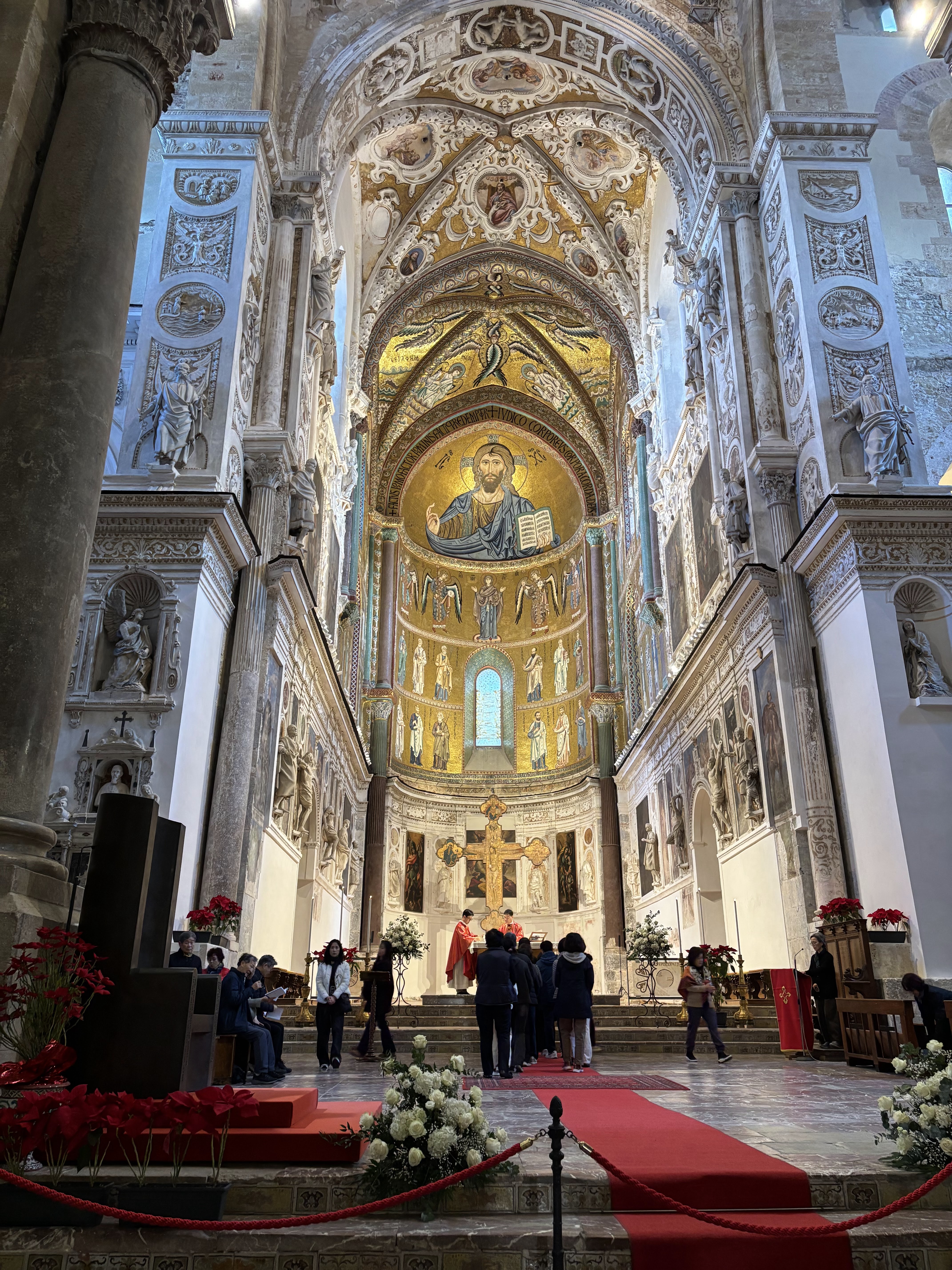
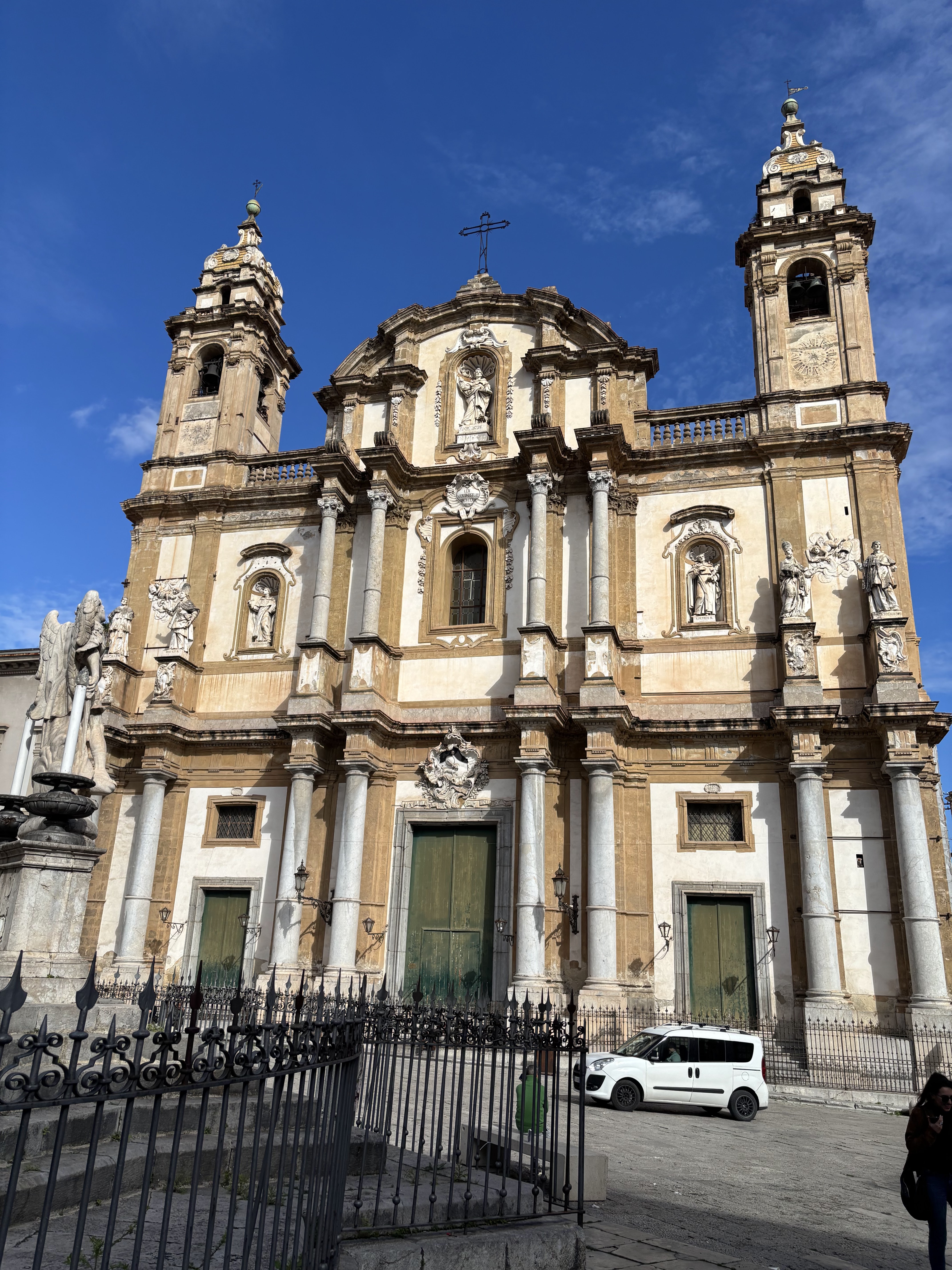
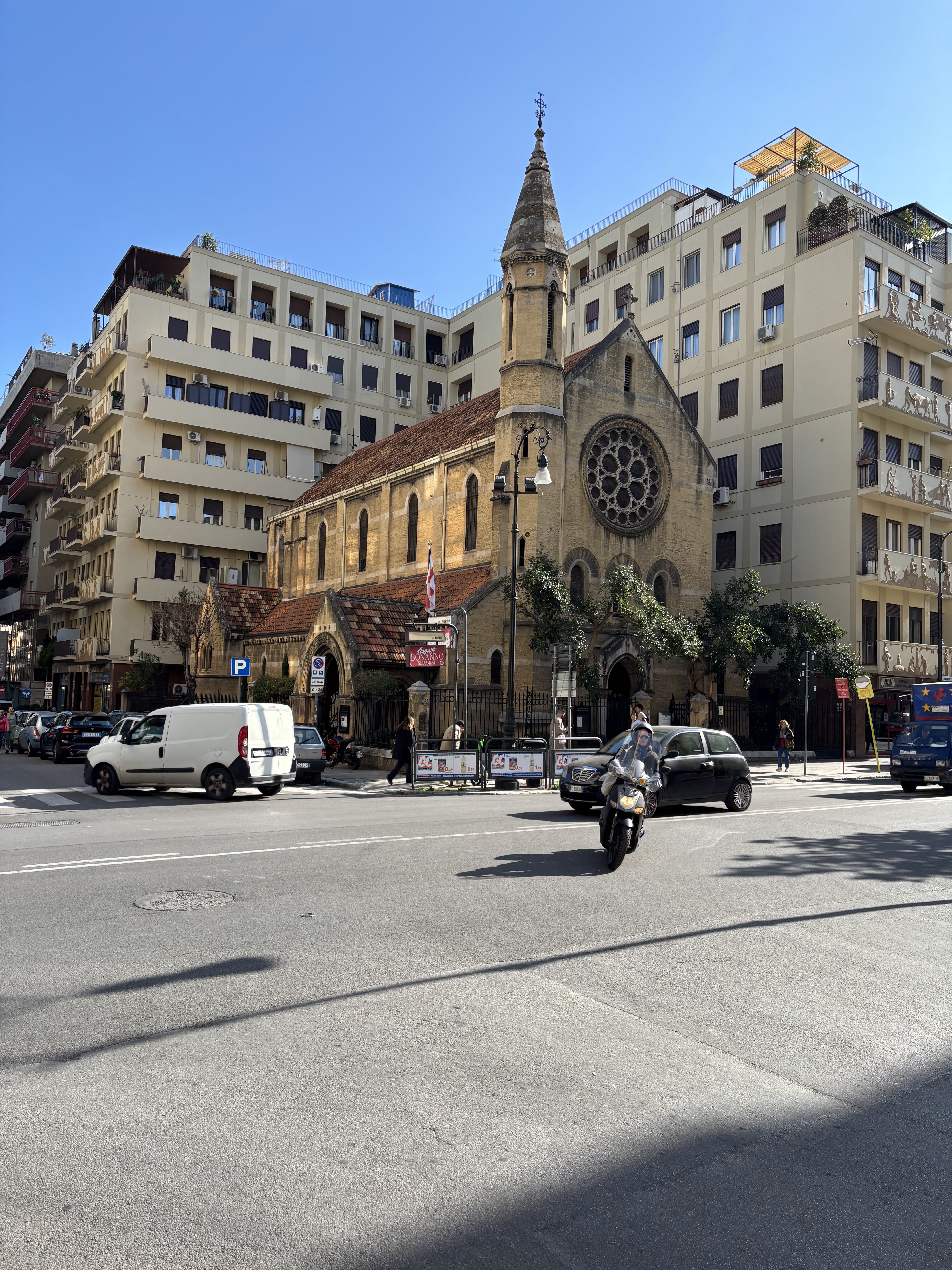
As the sun dipped low each night, the city seemed to transform. Light spilled across the cobblestones, music drifted from doorways, and the smell of grilled fish and baked bread followed us everywhere. Palermo is a city that’s proud of its past yet unafraid of its rough edges. It’s messy, beautiful, ancient, and alive in ways that make you feel lucky just to be there.
Nana and I both agreed—Palermo was unforgettable. And as much as it felt complete, this journey is only beginning. Next up, I’ll be heading to Amsterdam, Netherlands, where canals, bicycles, and a whole different kind of history await. Stay tuned for the next chapter of Mike on the Move.


 Mike on the Move
Leave a reply to generously7aceeae02c Cancel reply