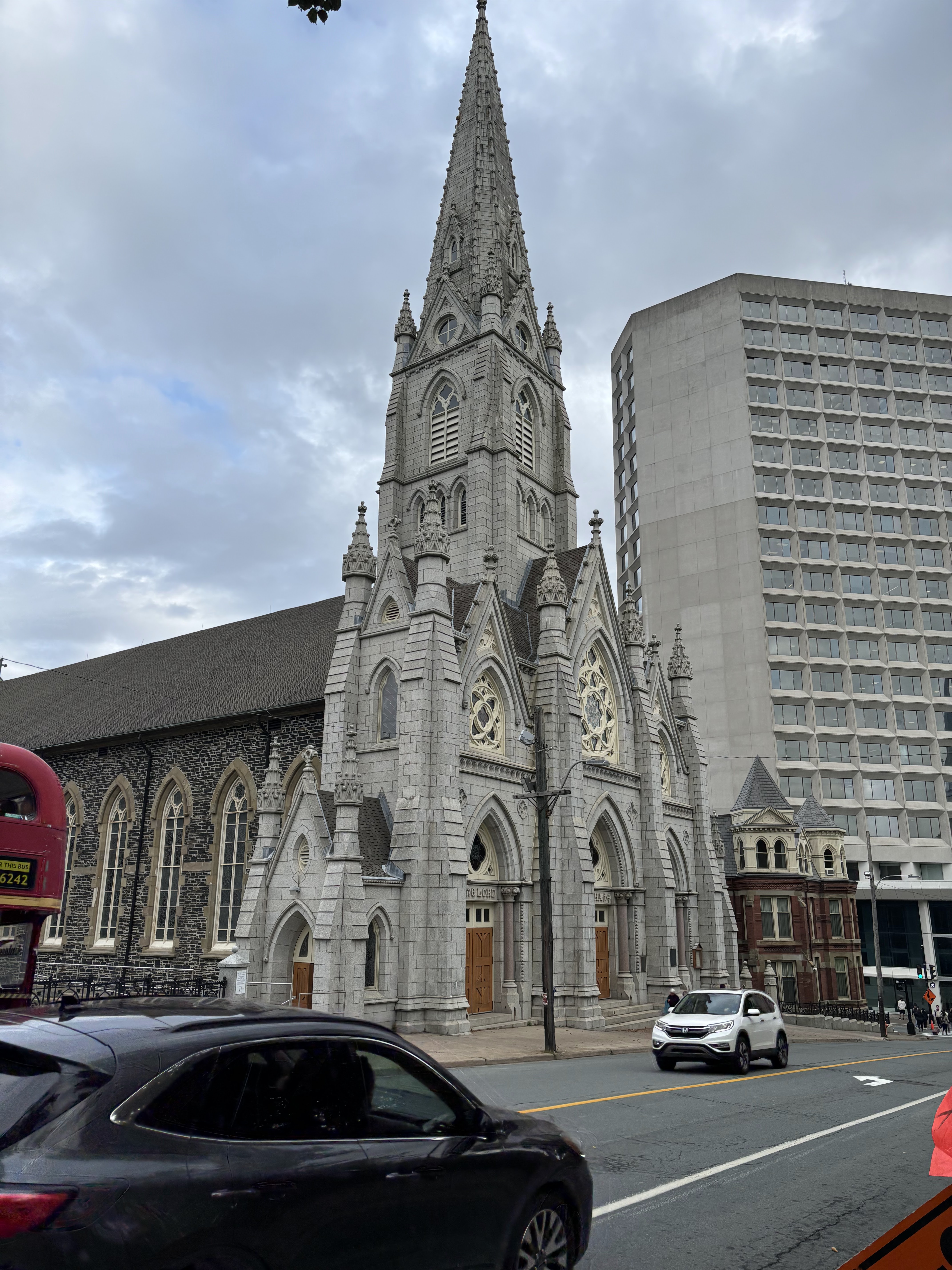
There’s something about Nova Scotia in the fall that feels like stepping into a storybook. The air is crisp, the sea seems to shimmer a little brighter, and the trees erupt in colors that make you stop mid-stride just to stare. I recently packed my bags and headed to Halifax—this time joined by my daughter, Delainey, a teacher in Austin Texas on Fall break—and what we found was a perfect mix of coastal charm, deep-rooted history, and culinary bliss.
Our first impression of Halifax was that it’s absolutely a sea town—you can feel it in your bones. The Atlantic Ocean doesn’t just sit on the edge of the city; it runs through everything, shaping the culture, the economy, the food, even the rhythm of daily life. Boats dot the harbor, seagulls circle above, and there’s a salty tang in the breeze that reminds you this is a place where the sea is both friend and foe.
We stayed at the Lord Nelson Hotel, a landmark nestled right in the heart of the city. The place has an old-world elegance—historic without being pretentious, warm and inviting. Delainey and I especially loved its location across from the Halifax Public Gardens. These Victorian-era botanical gardens stretch across 16 acres, and in the fall, they turn into a living masterpiece. Pathways wind through flower beds and around fountains, with every corner revealing bursts of gold, amber, and crimson. We took our time walking those paths, soaking up the peaceful beauty and snapping more photos than I care to admit. And I have to give credit where it’s due—Ginny from Main Street Travel set all of this up, and she never ceases to amaze me. Her deep knowledge of destinations and uncanny ability to plan exactly what I didn’t even realize I wanted made this trip seamless and unforgettable. She nailed every detail.

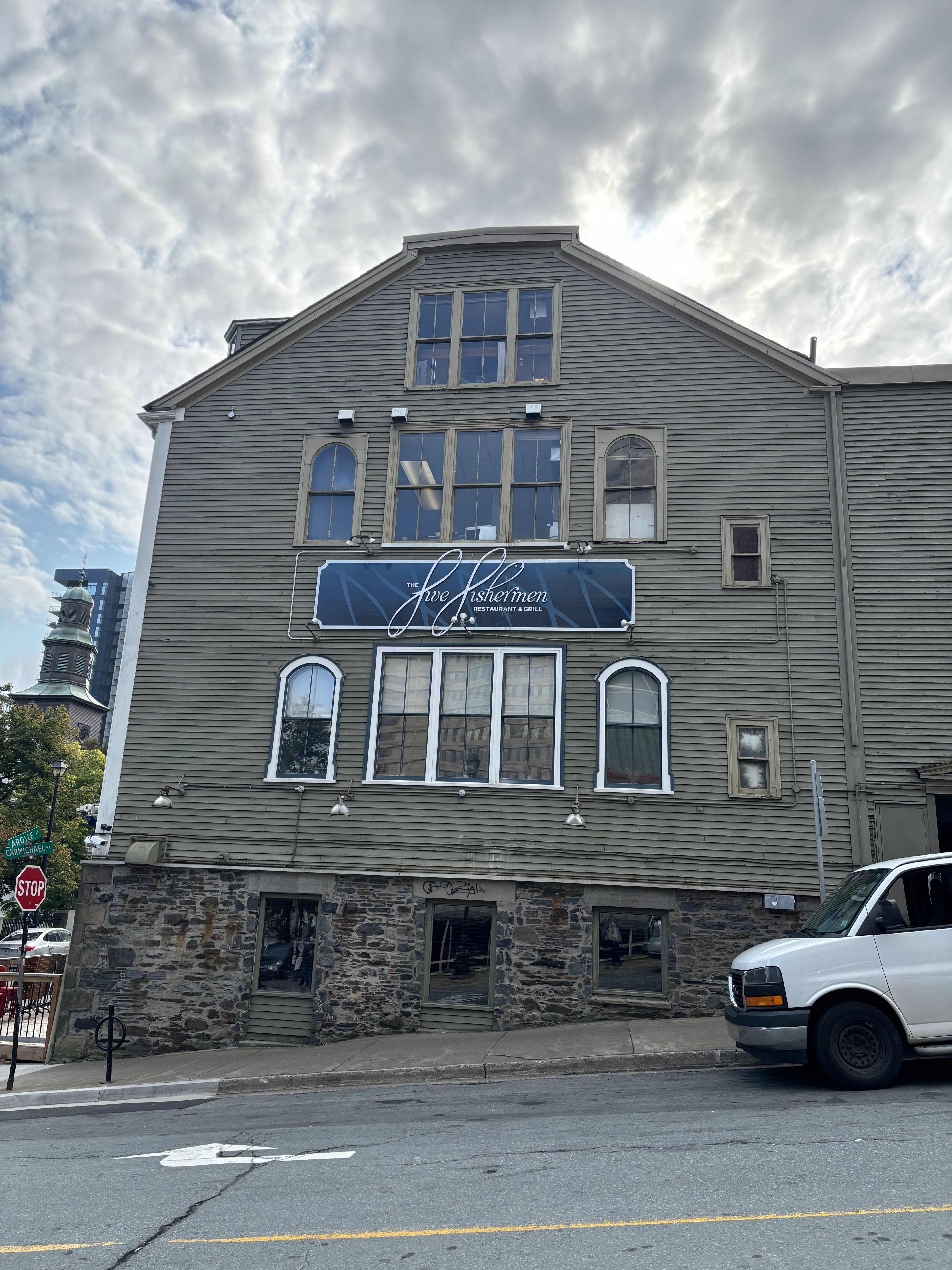
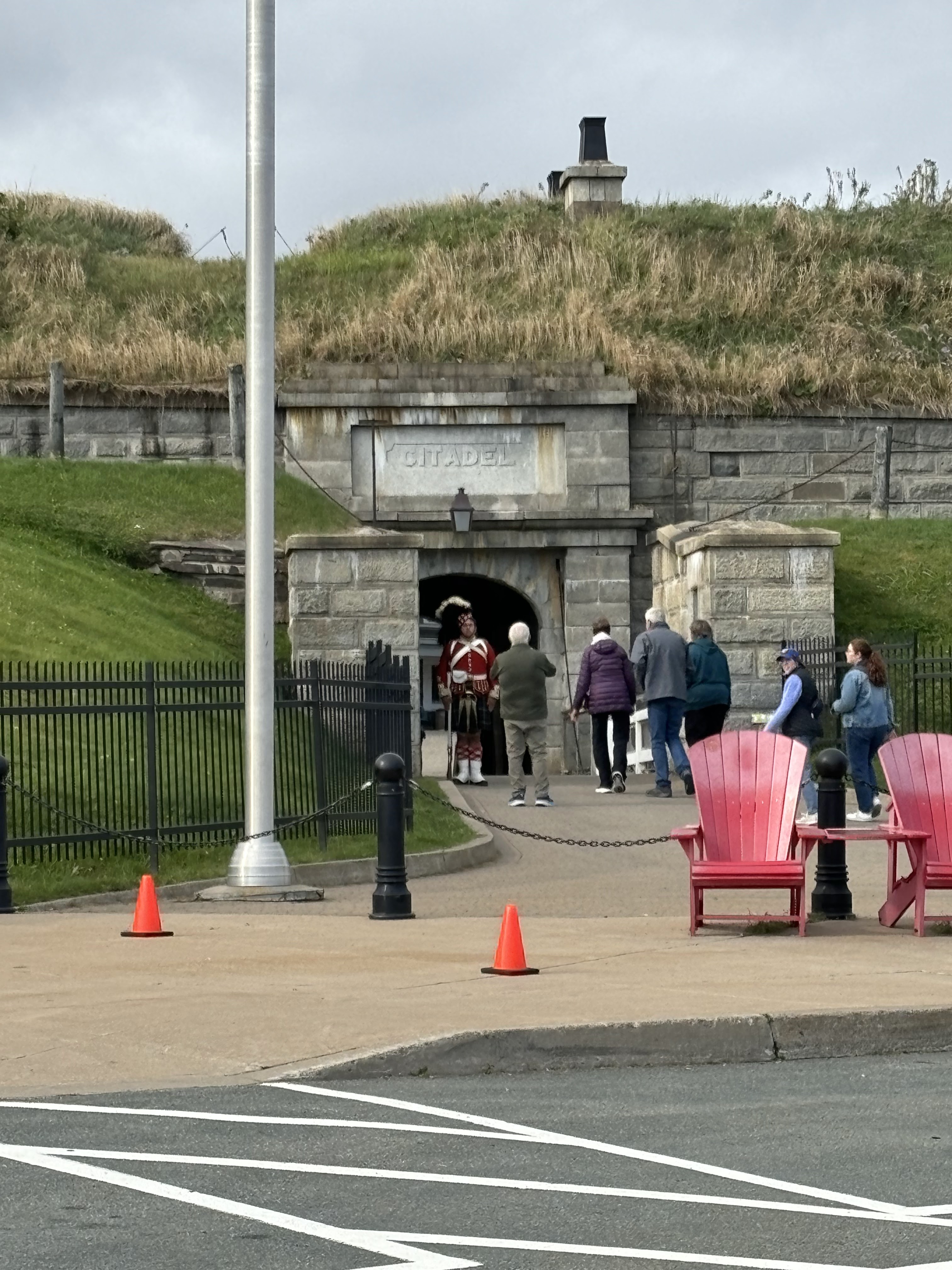
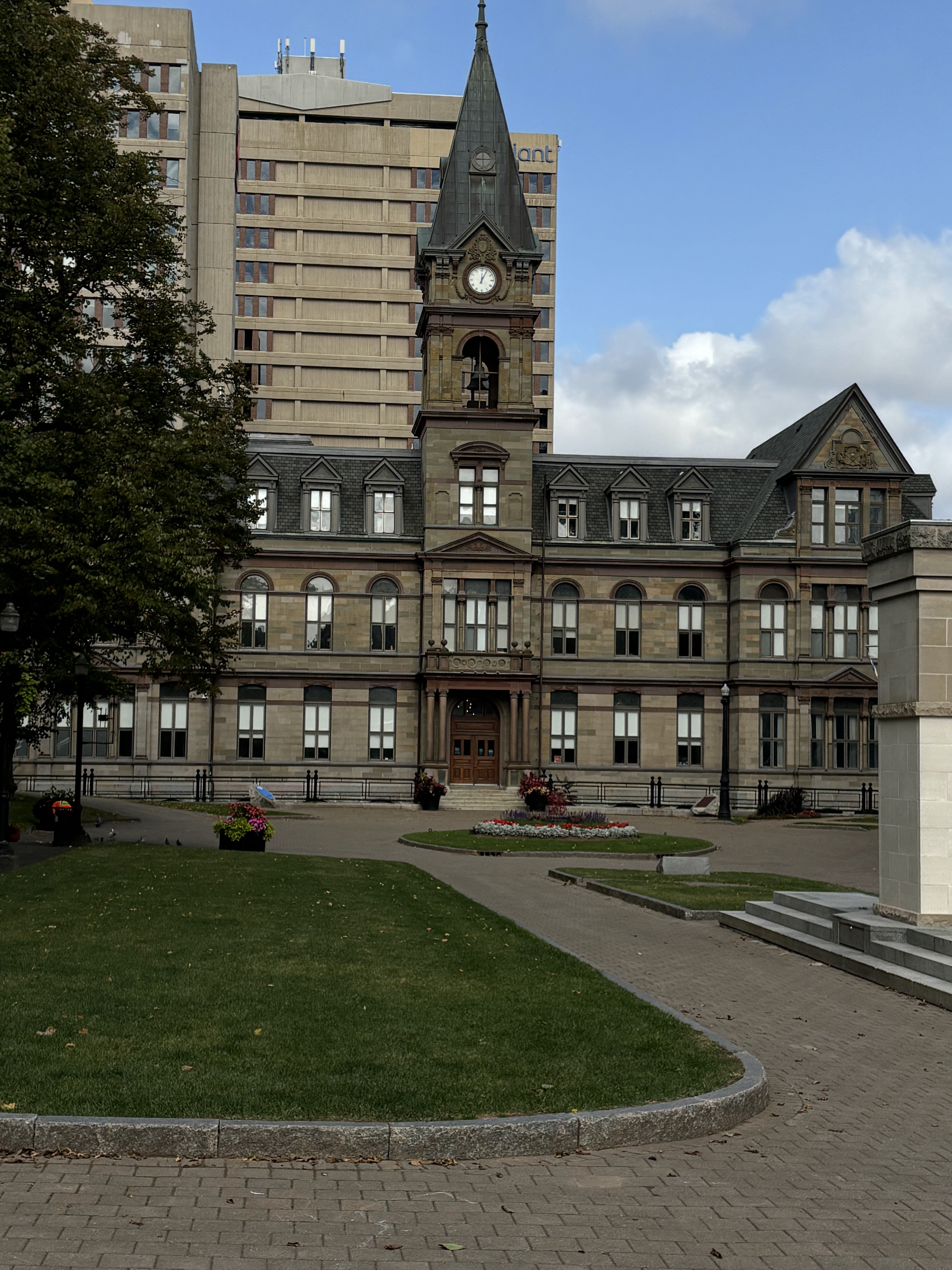
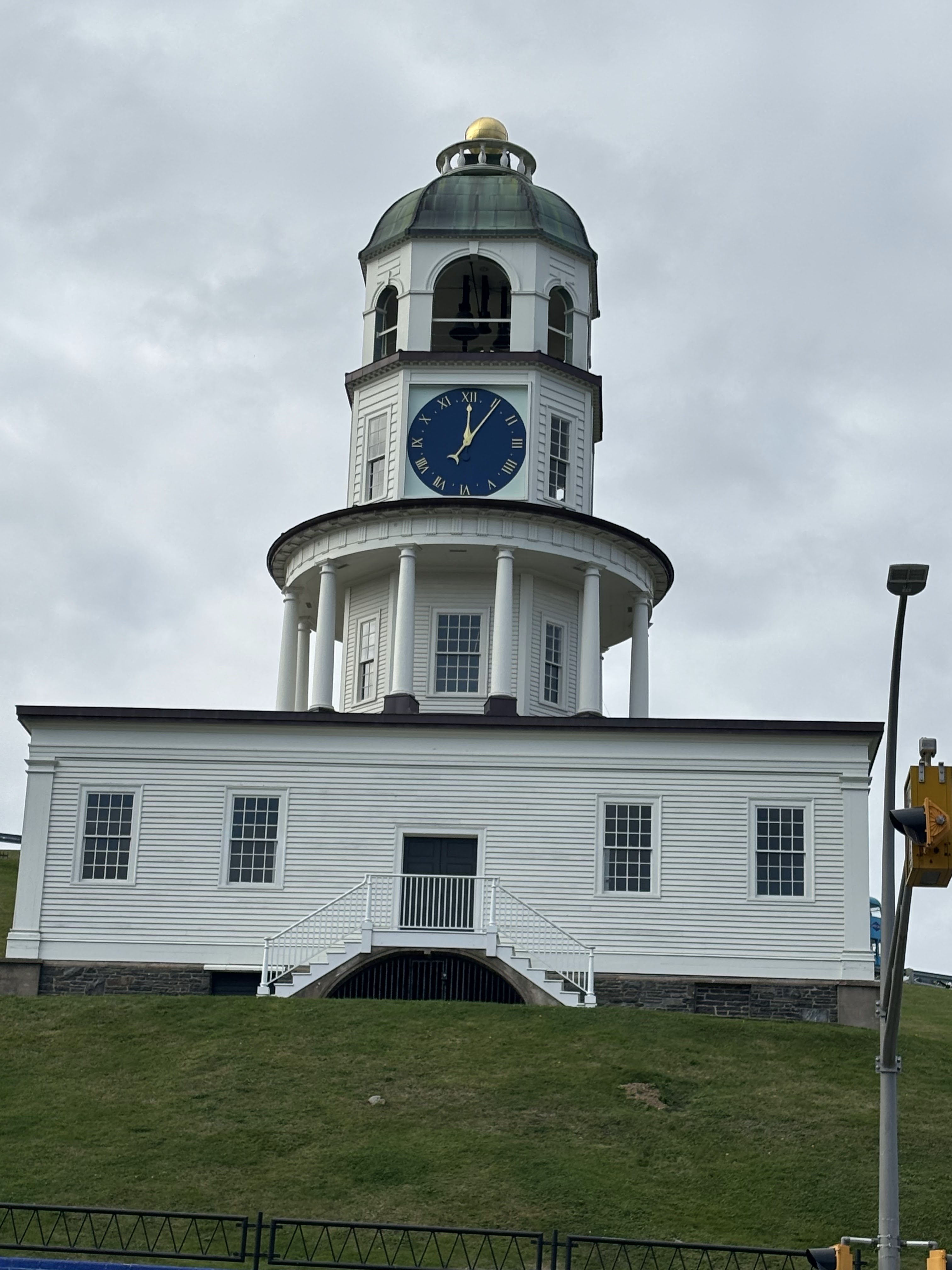
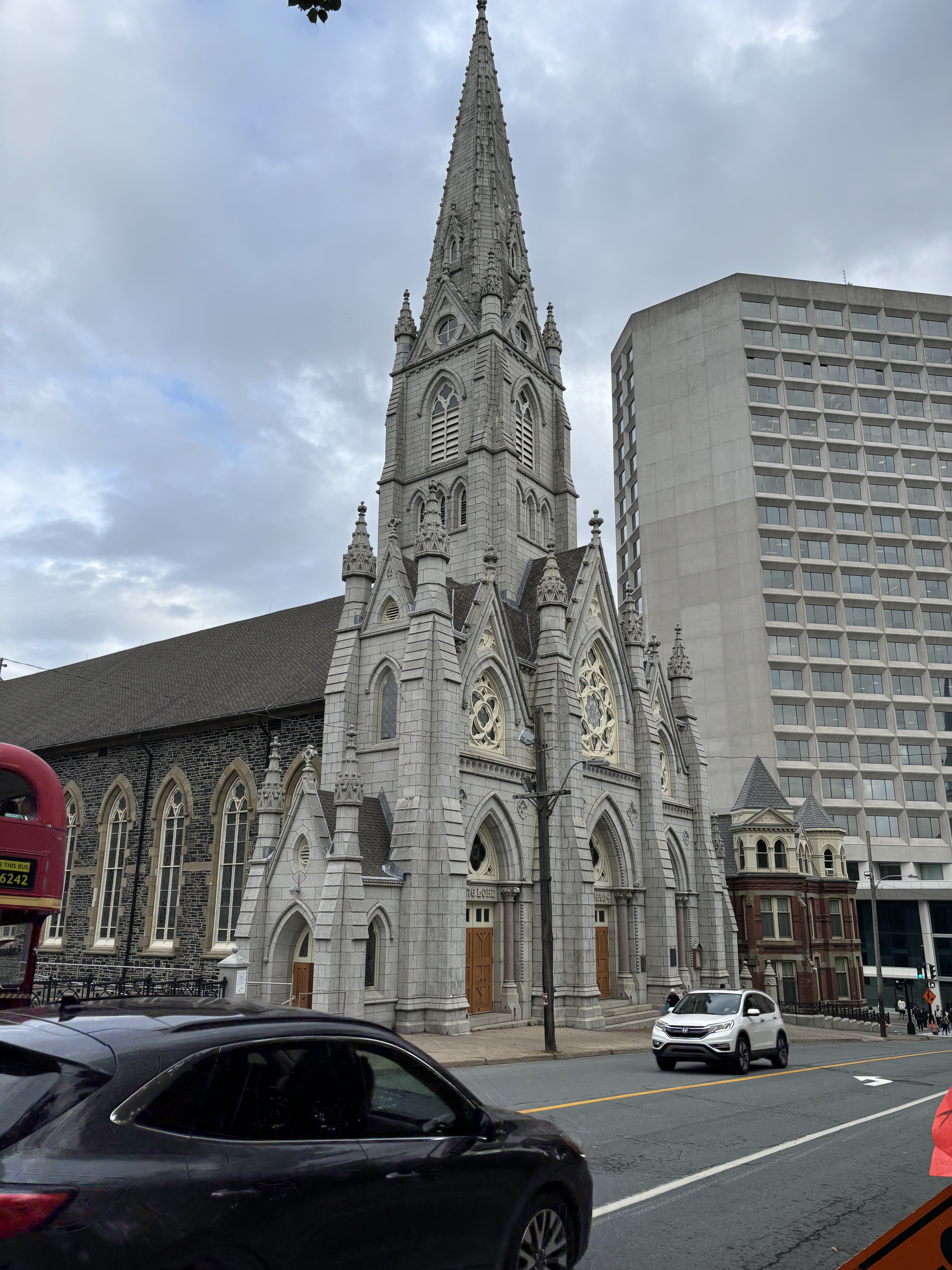
To get our bearings, Delainey and I joined the Historic Halifax by Foot Tour, and it opened up the city in ways we hadn’t expected. We passed landmarks like Citadel Hill, St. Paul’s Anglican Church, and the Old Town Clock, each one tied to Halifax’s layered past. One story that stuck with both of us was about the Halifax Explosion of 1917—when two ships collided in the harbor, one carrying explosives, resulting in the largest non-nuclear explosion in history. The blast destroyed much of the city, killed nearly 2,000 people, and left thousands more injured. Many were blinded by the blast, and it was this tragedy that sparked the founding of the Canadian National Institute for the Blind. We would later visit the institute’s local school, where that history comes full circle. It was humbling for both Delainey and me to see how a community responded to unimaginable loss by creating support and empowerment for generations to come.
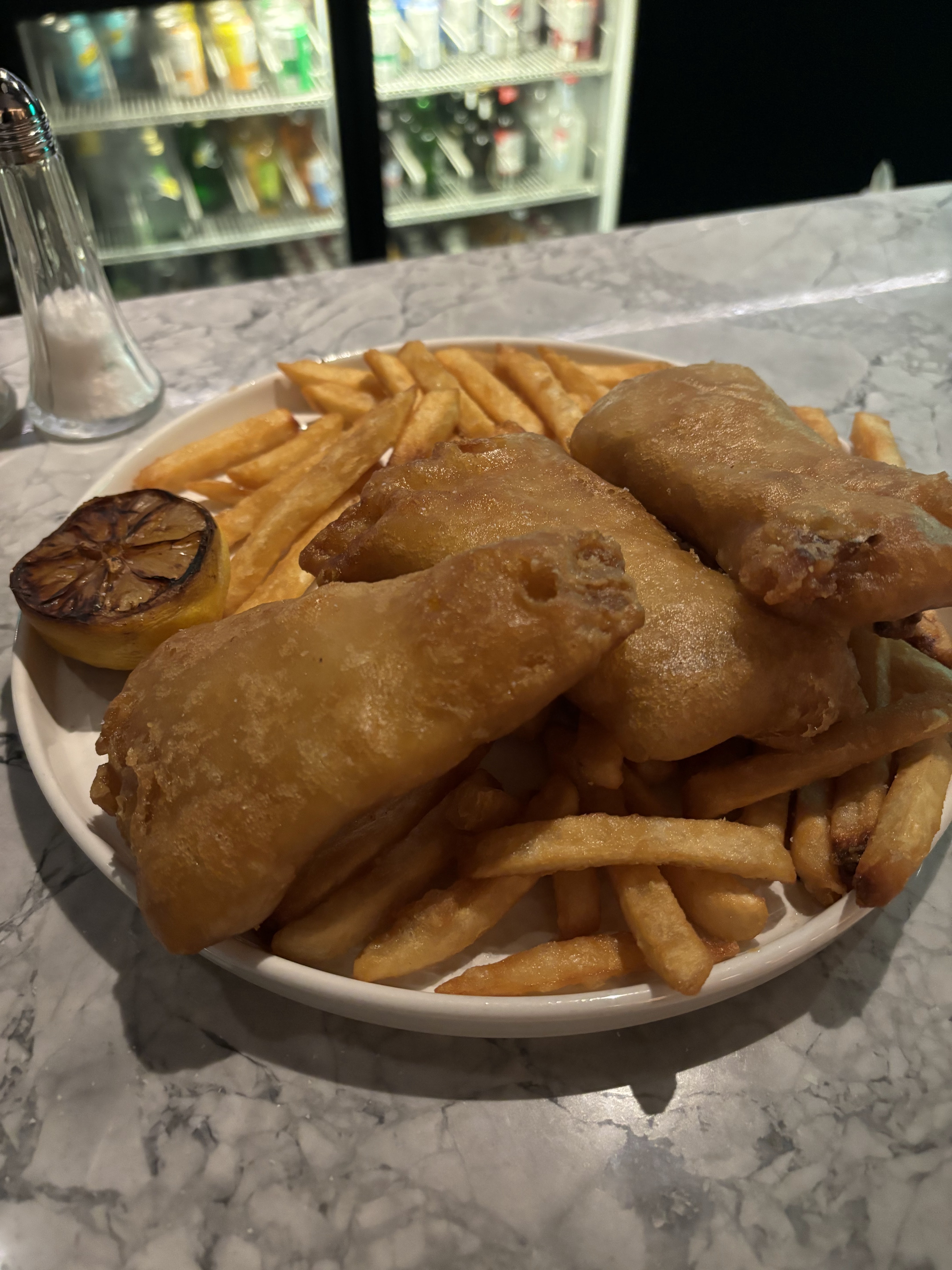
Wanting to dive into the local flavor (literally), we took the Halifax Harborfront Small Group Food Walking Tour, and it quickly became one of the highlights of our trip. We sampled everything from buttery lobster rolls to fresh oysters, and the seafood chowder was easily one of the best I’ve ever had. Delainey was especially intrigued by the donair, Nova Scotia’s sweet-and-savory answer to the gyro. Neither of us had tried anything quite like it before, and now we both understand why it’s such a beloved local staple.
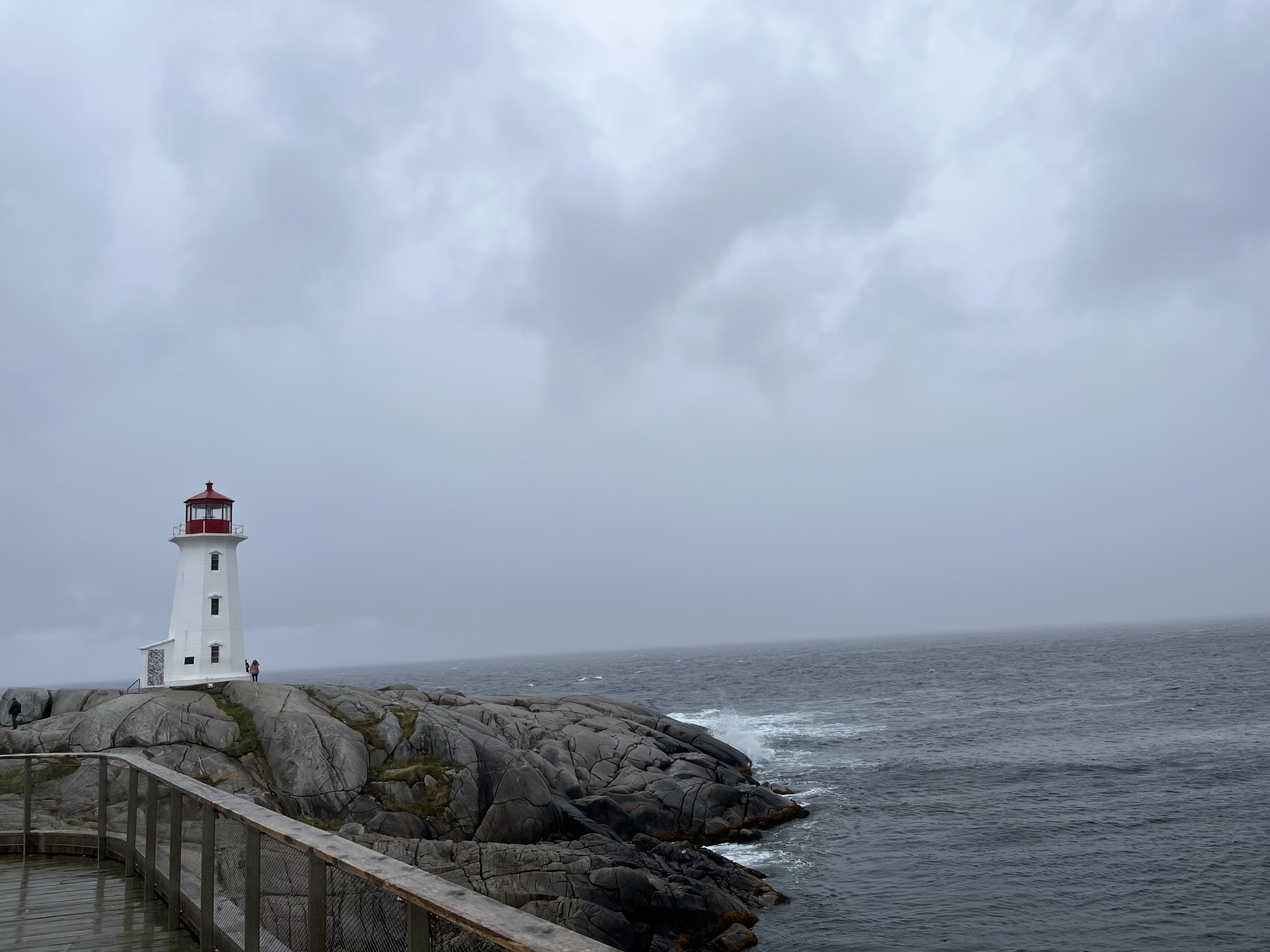
Of course, no trip here is complete without seeing Peggy’s Cove. Standing with my daughter on the windswept rocks near that iconic lighthouse felt like being on the edge of the world. The waves crashed with force, and the salty air soaked right into our skin. Later that afternoon, we stopped in Mahone Bay, a charming waterfront town famous for its Three Churches lined up like something from a postcard. It was peaceful, colorful, and impossibly quaint—the kind of place where you want to slow down, sip a coffee, and just exist in the moment.
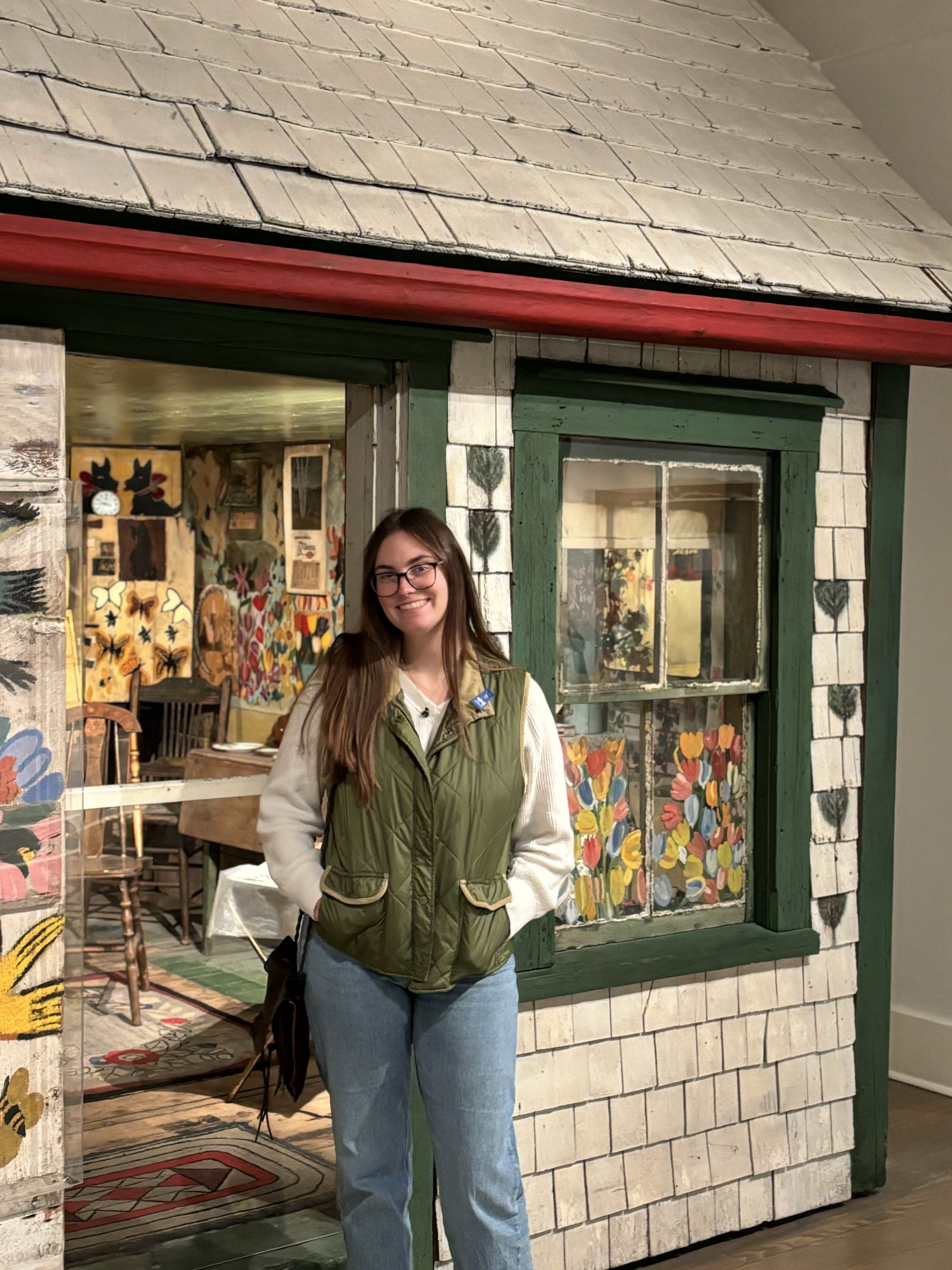
Back in Halifax, we visited the Art Gallery of Nova Scotia, where we were both deeply moved by the story of Maud Lewis, the beloved folk artist who lived and painted in a tiny one-room home in rural Nova Scotia. Her house, fully preserved inside the museum, is a vibrant, hand-painted world of joy and color. Delainey especially appreciated how Maud’s art reflected such optimism, despite the challenges she faced. It was one of those quiet, meaningful moments that stays with you.
The next day, we joined a Wine and Lunch Escape through the breathtaking Annapolis Valley. Our first stop was Domaine de Grand Pré, where we tasted their signature Tidal Bay, a crisp white wine perfect for Nova Scotia’s seafood. Next came Benjamin Bridge, known for its stunning sparkling wines. The Brut Reserve was a favorite, and Delainey and I couldn’t get enough of the view from their terrace. We ended the tour at Luckett Vineyards, which features a red British phone booth nestled among the vines and a bistro with one of the best lunches of the trip. Sipping red wine, sharing food, and looking out over the rolling valley with my daughter—that’s a memory I’ll hang onto.
Before leaving, we made one particularly meaningful stop: Fairview Lawn Cemetery, the final resting place for over 100 victims of the Titanic disaster. Walking among those simple, respectful headstones was a somber and emotional experience for both Delainey and me. One detail that really struck us was learning that, in 2023, a young Titanic victim—previously unidentified for more than a century—was finally connected to surviving family through DNA research. That recent discovery added even more weight to the experience. The cemetery has a quiet dignity to it, and standing there, we were reminded of how much life can be lost to the sea—and how deeply Halifax has carried that memory with grace.

Though we didn’t visit it on this trip, I also want to acknowledge the importance of the CNIB School, which was founded in direct response to the Halifax Explosion of 1917, an event that tragically left many people blinded. Out of that disaster grew a legacy of support for Canadians who are blind or visually impaired, and the school continues to provide accessibility and empowerment. It’s a place I hope to visit in the future, not only for its history, but for the vital work it continues to do in the community.
From historic harbors and hearty seafood to wine country views and windswept lighthouses, Nova Scotia gave us a trip full of beauty, learning, and connection. Halifax surprised us both in the best way—welcoming, walkable, full of stories, and anchored by a community that embraces its past while still looking forward. Whether you’re chasing lighthouses, sipping wine, or walking leaf-strewn paths through the Public Gardens, there’s something soulful about this part of the world. And sharing it with my daughter made it even more unforgettable.
Until next time—keep moving.


 Mike on the Move
Leave a reply to Louis Justis Cancel reply