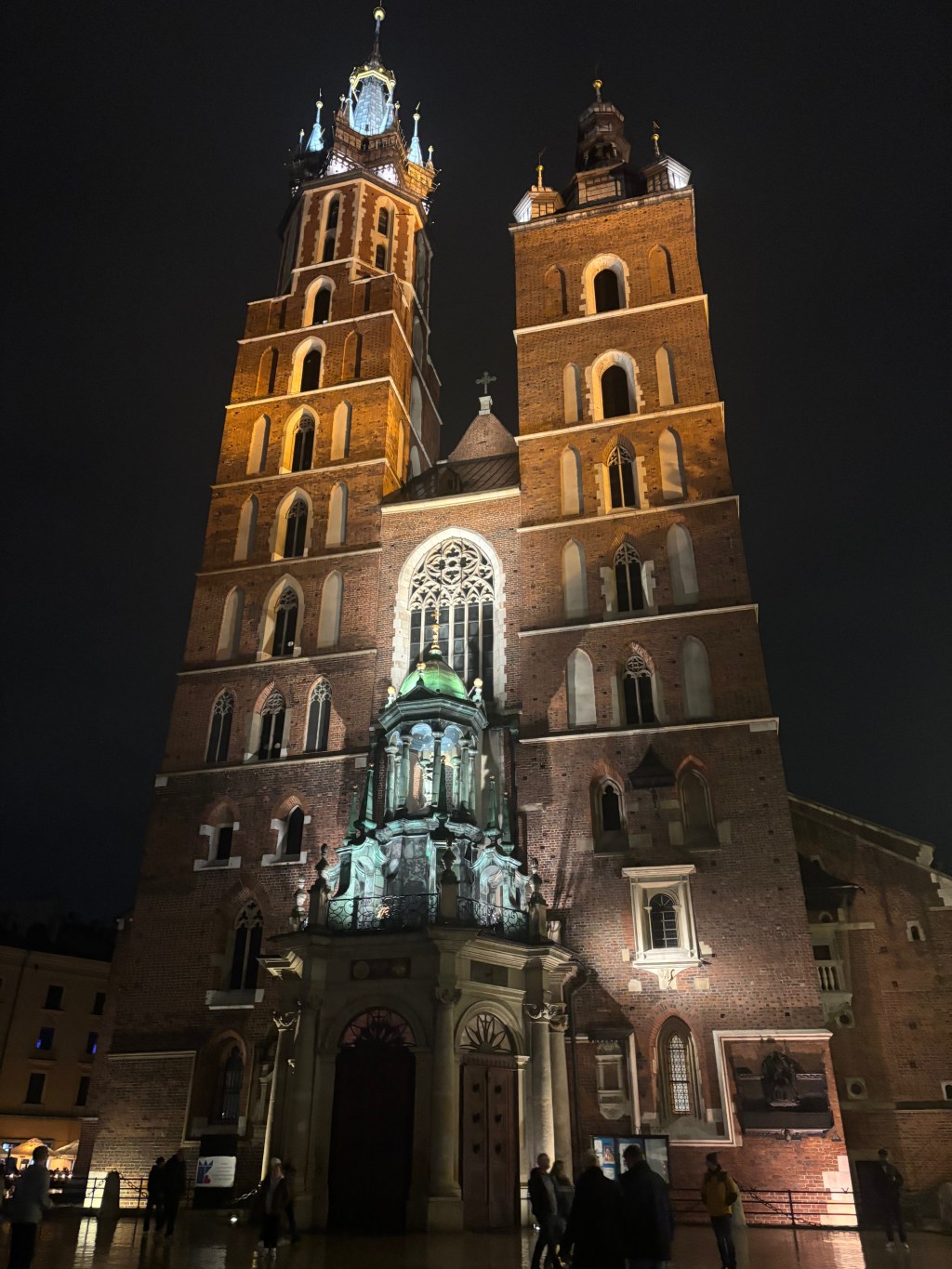
I’ve traveled a lot over the years, but nothing prepared me for Poland. I went for the food, the history, the old towns and castles — and I got all of that. But what stayed with me long after I flew home was something deeper. Something heavier. Something that sits with you in your chest. Poland surprised me. Poland moved me. And Poland reminded me how important it is that we never, ever forget.
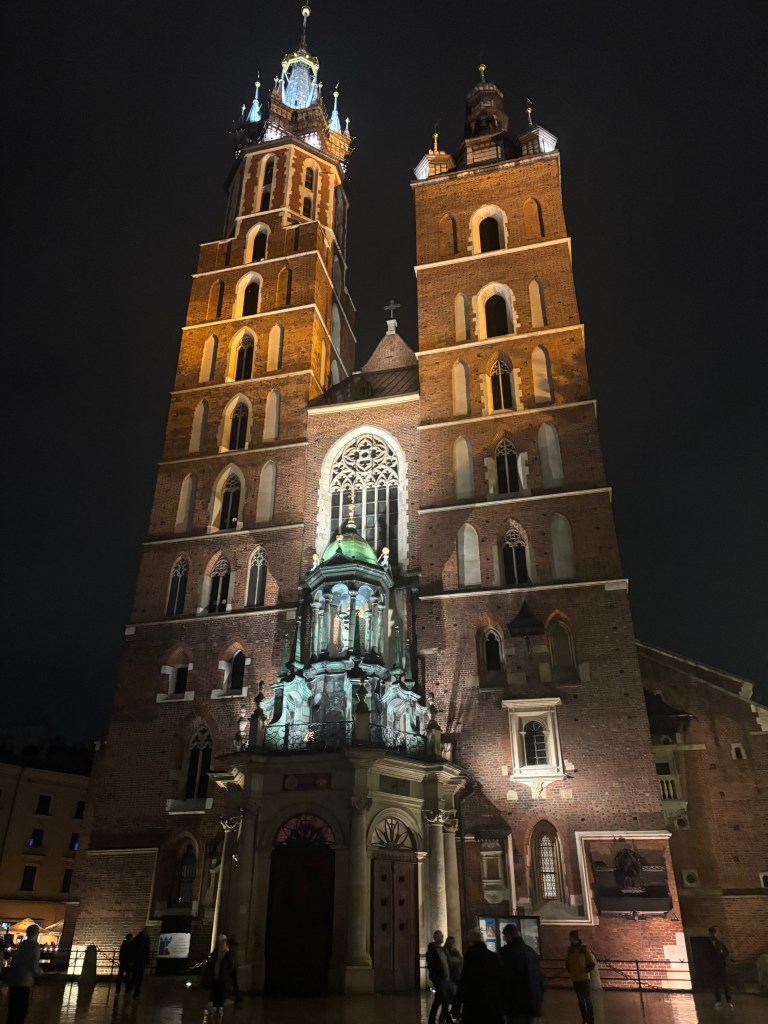
Our Airbnb in Old Town was perfect — modern, comfortable, two bedrooms, even a sauna. Steps away from the market. Quiet at night, lively in the day. The kind of place you look forward to returning to after walking 20,000 steps and realizing your legs aren’t quite as young as you think they are.
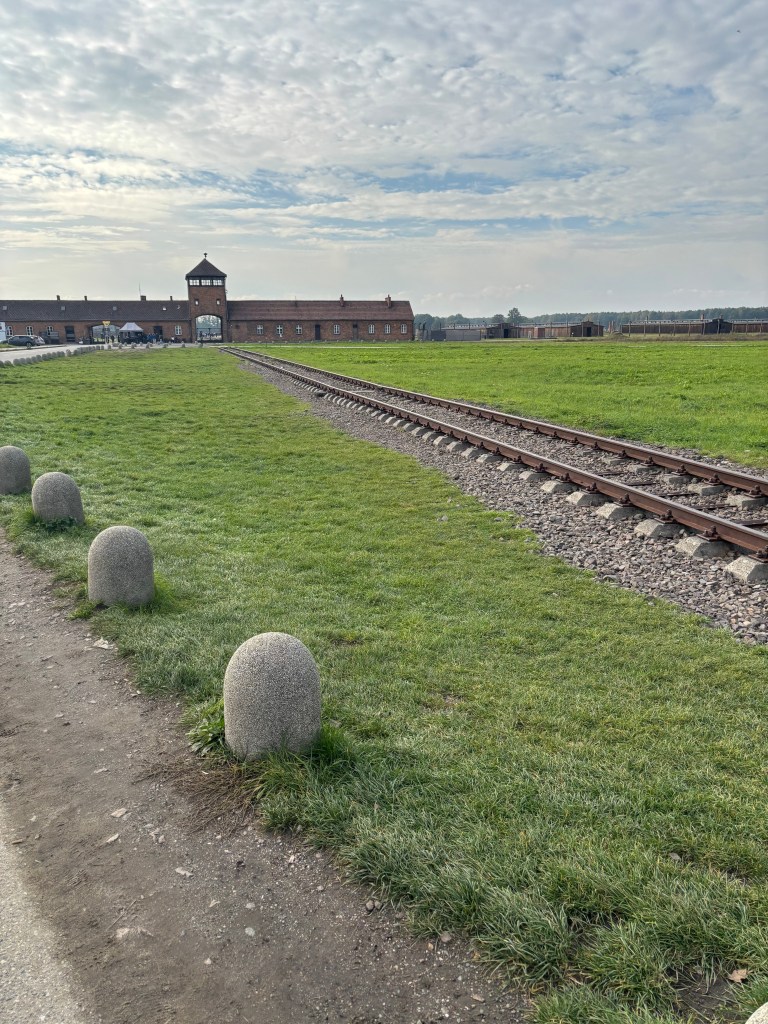
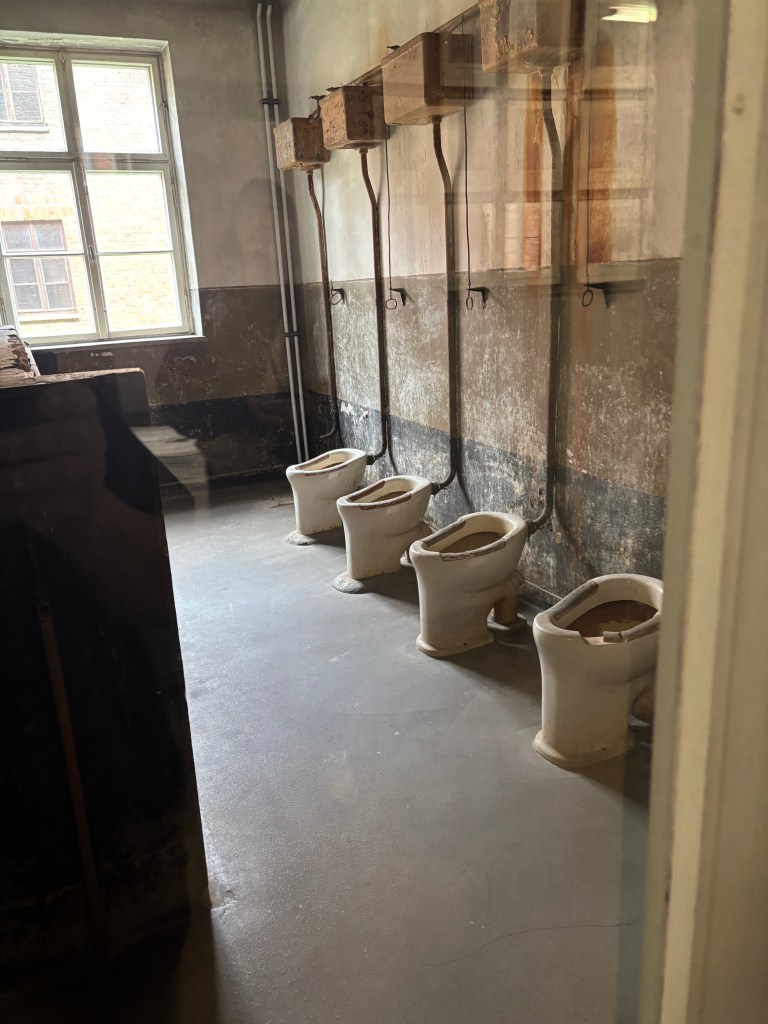
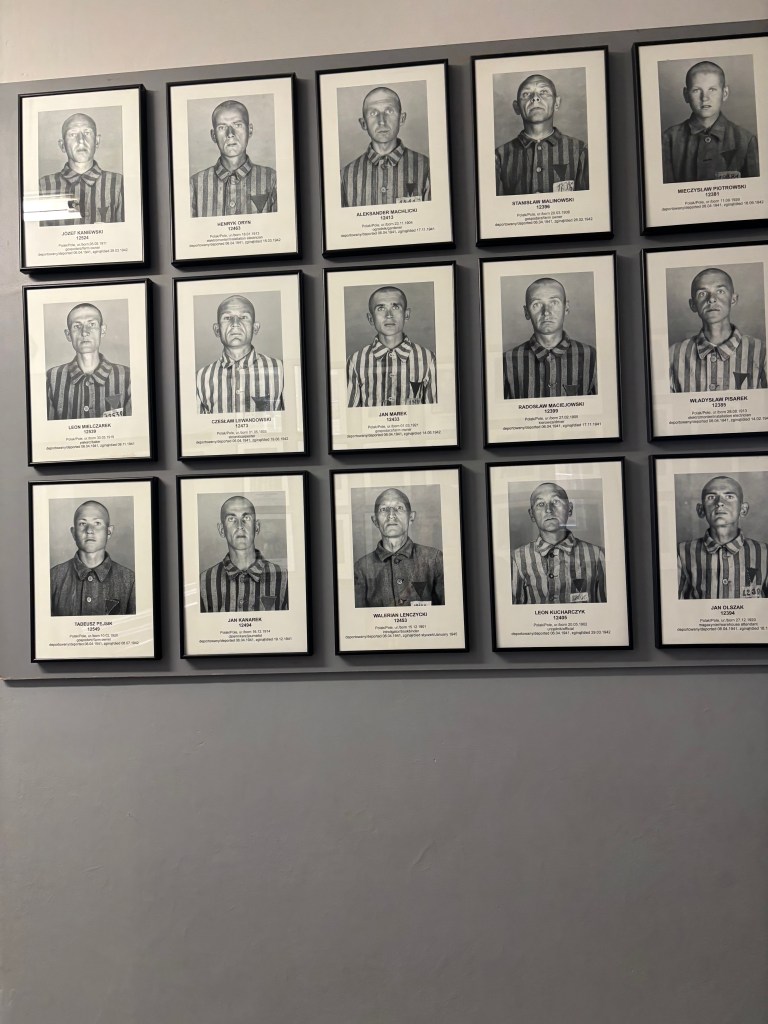
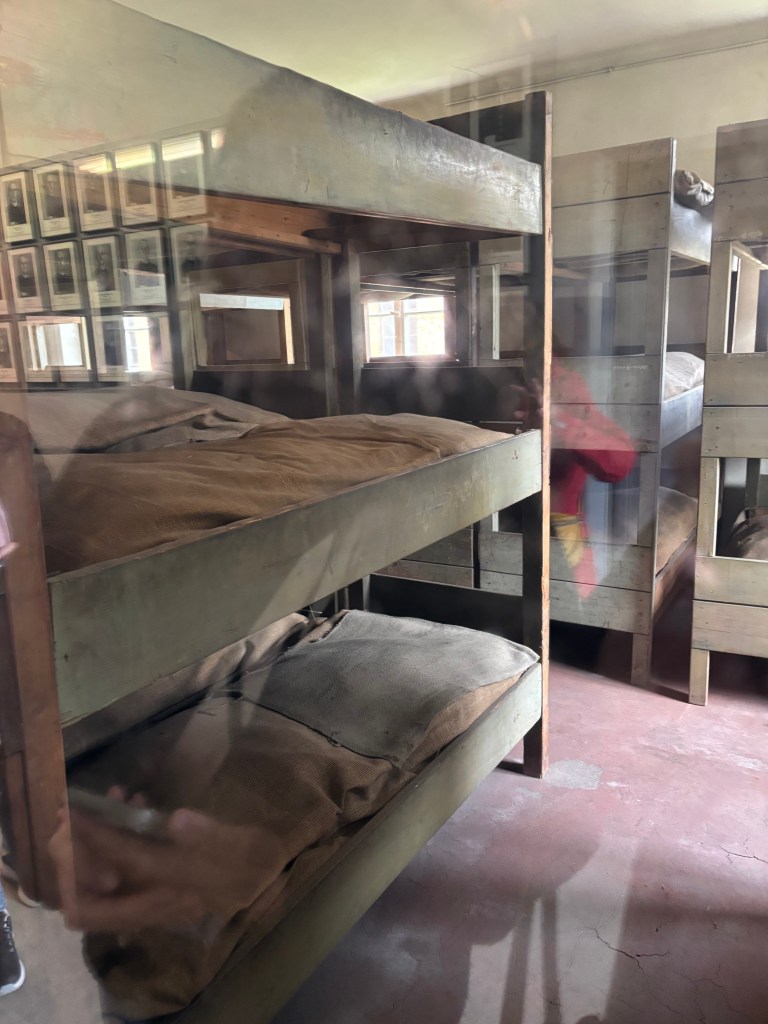
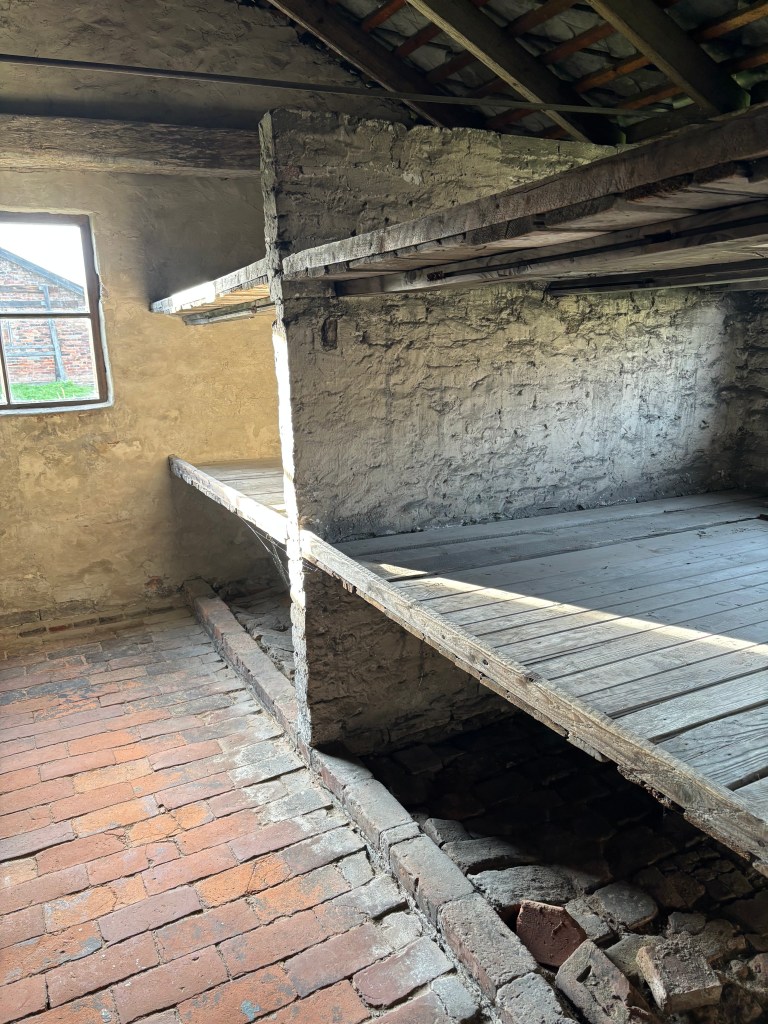
That first day we went to Auschwitz and Birkenau. Nothing — absolutely nothing — prepares you for that place. I’ve been to Dachau before. It was somber and meaningful, respectfully preserved. But Auschwitz is different. Auschwitz wasn’t destroyed. The brick buildings remain. The barracks remain. The rooms remain. And somehow, chillingly, it feels alive — as if the walls themselves remember. You feel the history pressing in on all sides. You feel the absence of millions.
I learned things I didn’t know before — and things I will never unlearn. There were six death camps in Poland. Not labor camps, not concentration camps — extermination camps designed solely to kill. All six placed in Poland by the Nazis to erase an entire culture, an entire people. And at Birkenau, when the trains arrived, a doctor at a small table made life-or-death decisions in under 20 seconds. Left or right. One meant forced labor, starvation, torture. The other meant the gas chambers. Immediately. Our guide said something that hit me like a punch: “You will be here longer on this tour than most people were alive in Auschwitz.” I can still hear that sentence.
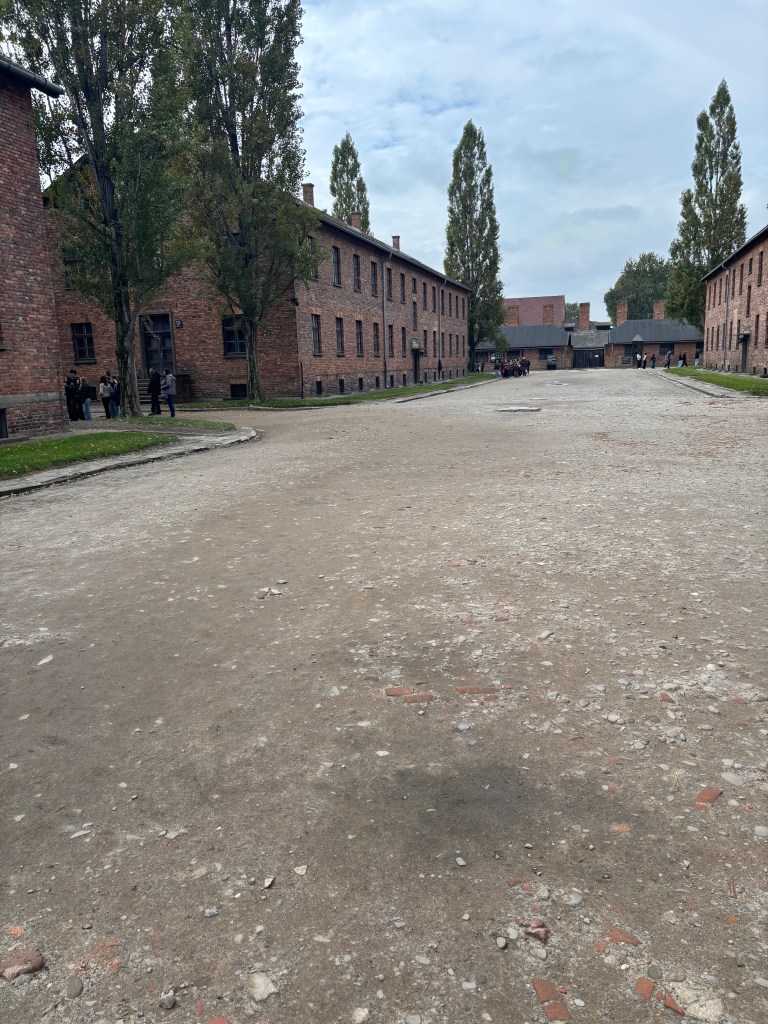
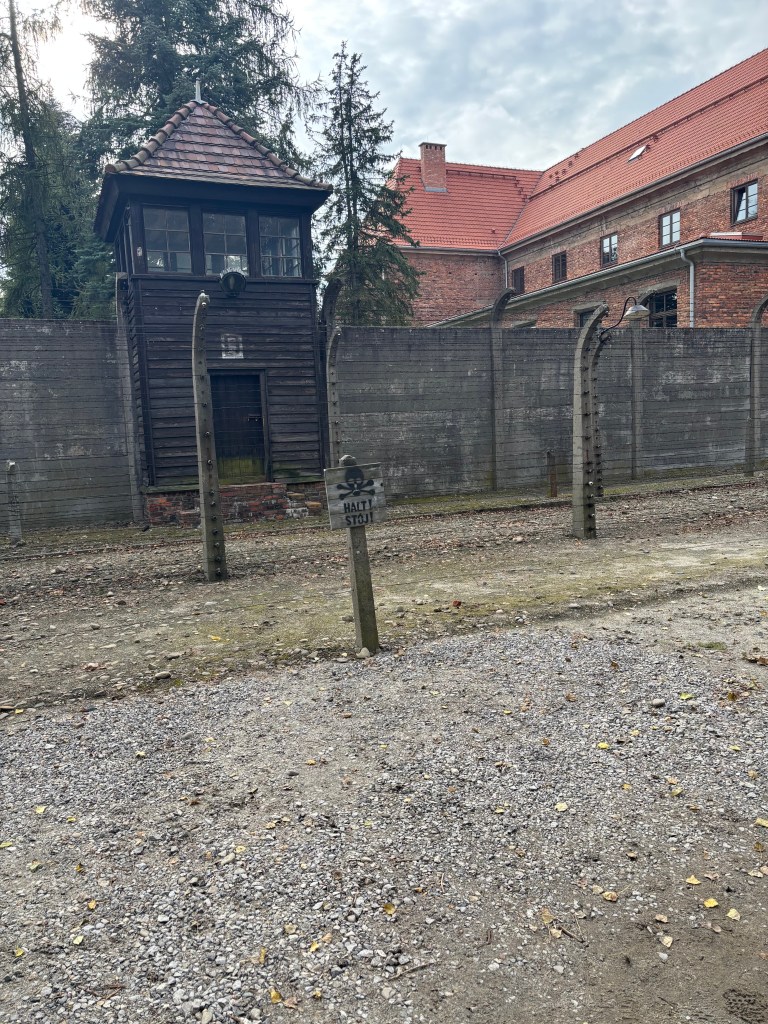
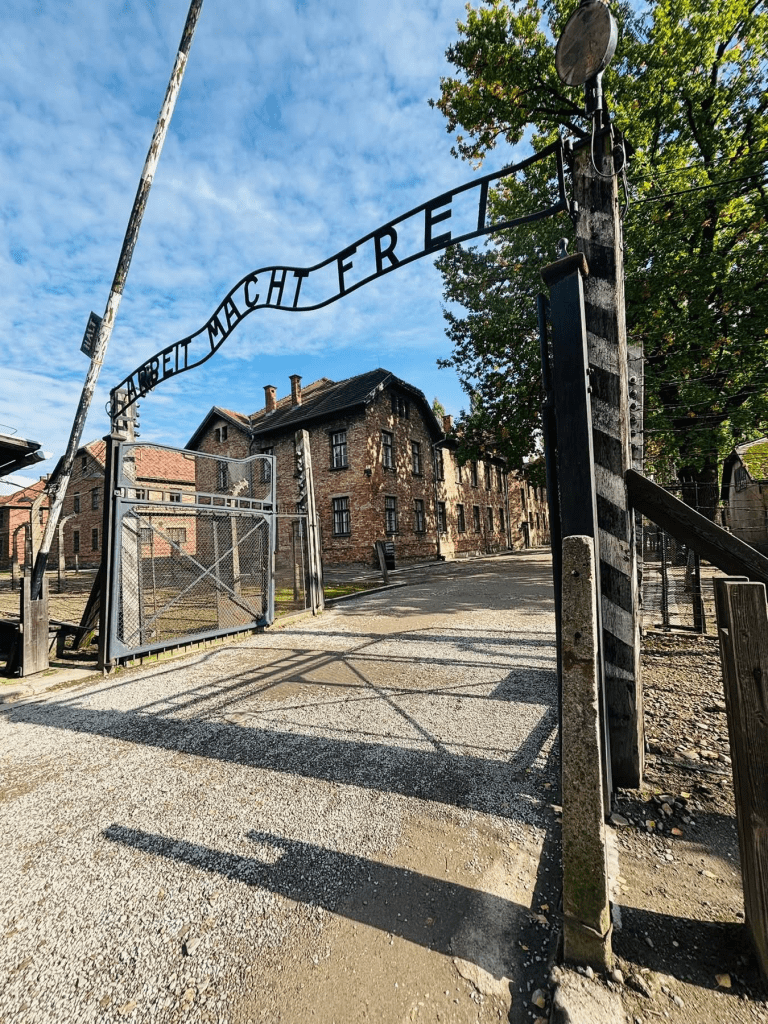
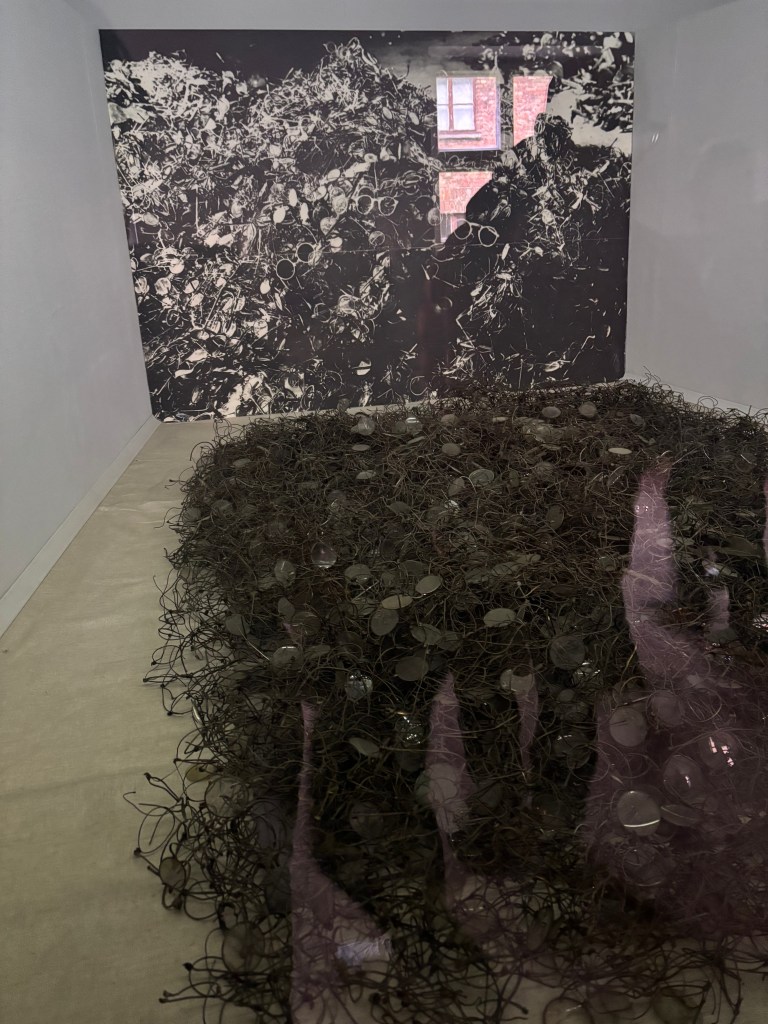
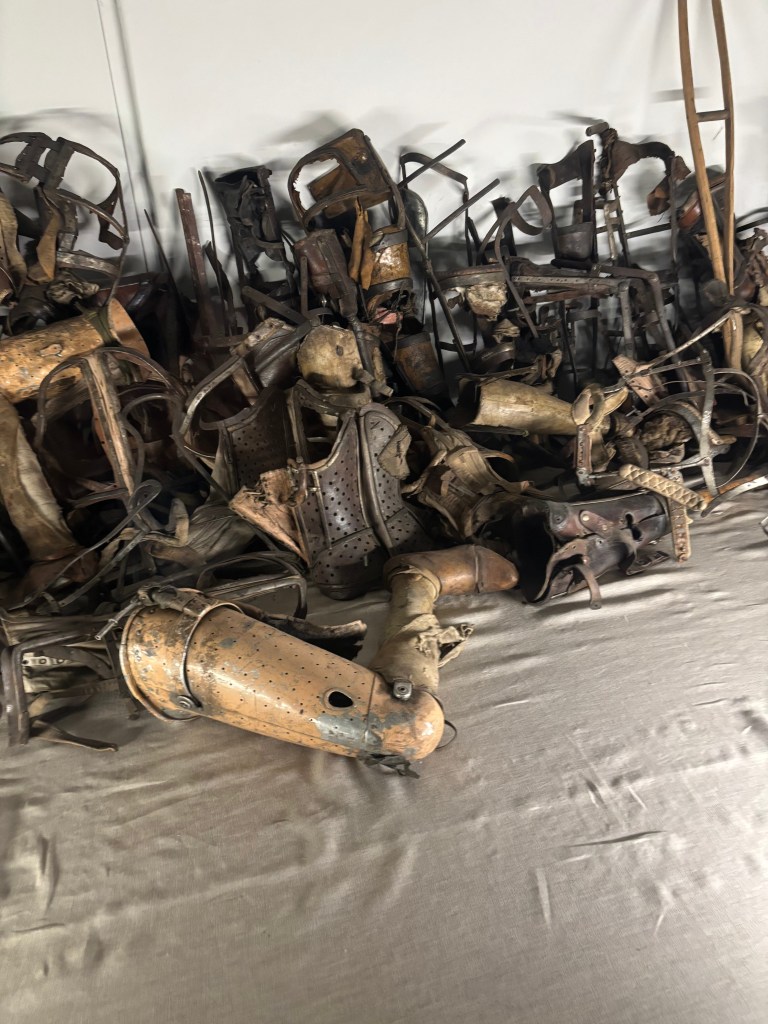
Rooms filled with eyeglasses. Rooms filled with hair. Shoes piled higher than anything I’ve ever seen — even more than the Holocaust Museum in D.C. Prisoners were told to bring winter and summer clothes — “you’ll be here awhile,” the Nazis said — just another lie to strip people not only of their possessions but of their very identity. And the suffering of the Polish people… I didn’t realize its scale. Entire towns wiped out. Civilians sent to camps in Germany so officers could take their homes. A proud kingdom reduced to ashes. It was powerful, horrific, and something that needs to be remembered forever.
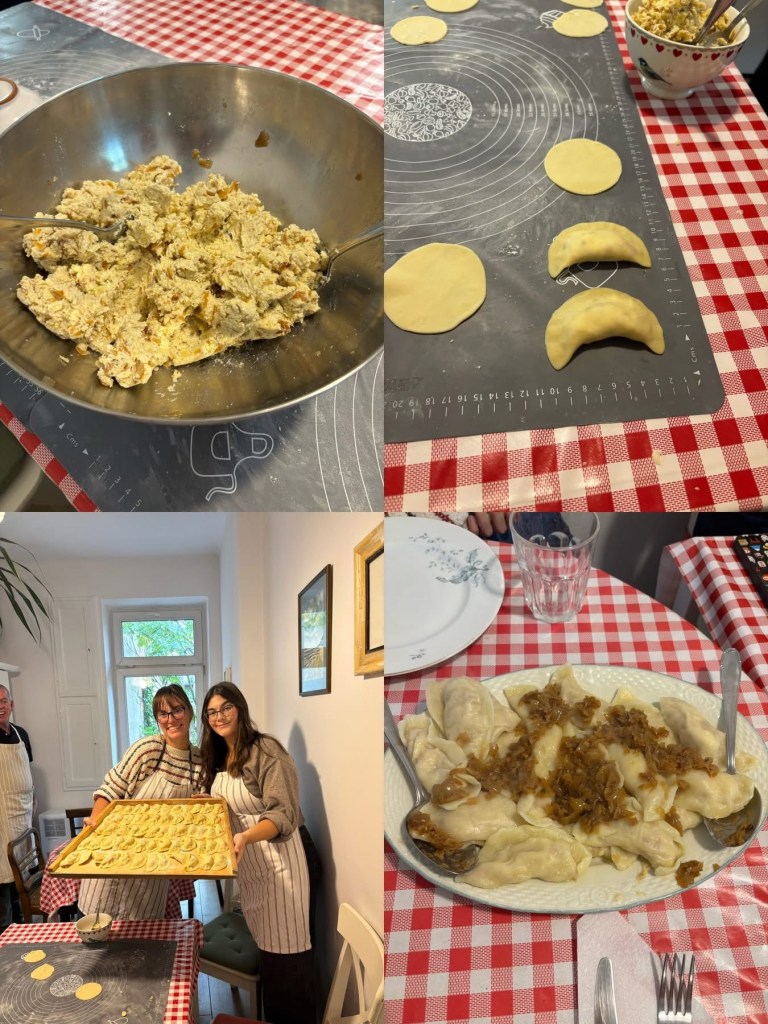
And yet Poland is a land where heartbreak and heartwarming moments sit side by side. One night we met our guide, Olga, in Krakow’s old market for a pierogi-making workshop. You wouldn’t expect “pierogi night” and “Auschwitz” to live in the same story, but that’s Poland for you. Olga welcomed us into her home like old friends — snacks, vodka, stories, laughter. Six strangers rolling dough, crimping edges, caramelizing onions, and trying not to botch the potato-and-cheese ratios. We made about 150 pierogies and ate as many as humanly possible. It was warm, intimate, and wonderfully human — a reminder that everywhere you go, people want the same things: good food, good company, and a moment to feel alive.
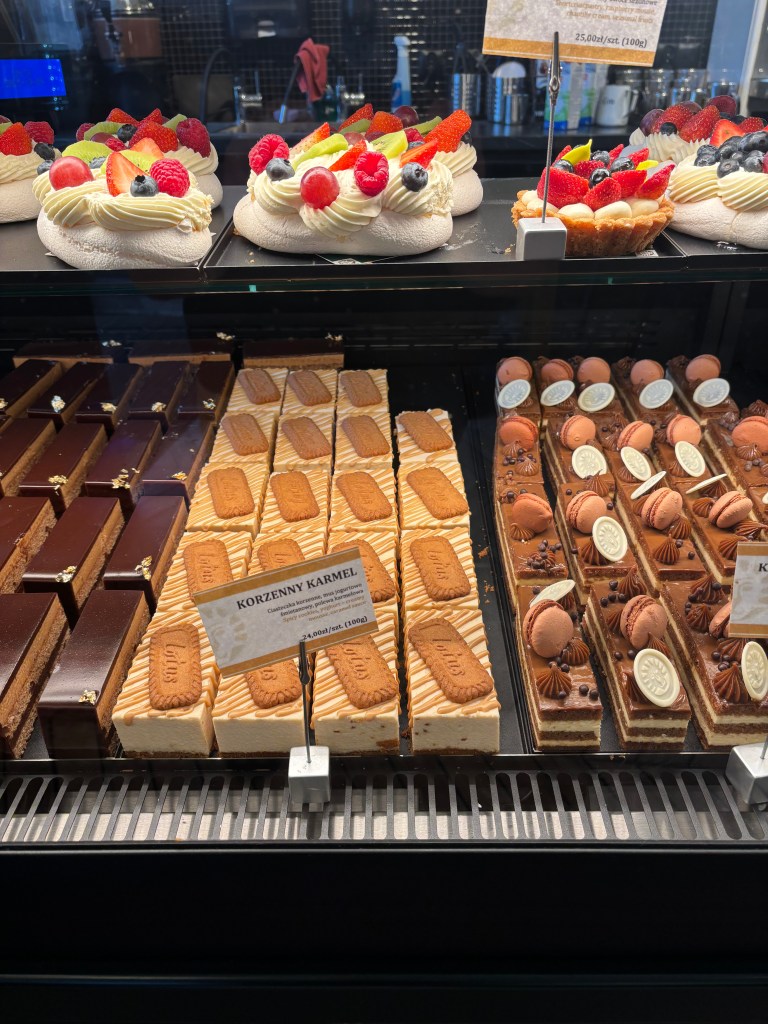
Krakow’s Jewish Quarter felt the same way — full of life but grounded in history. It’s the cool, artsy, bohemian part of the city now. The best restaurants we found were there, including dinners where the girls ordered tenderloins and I had duck and wild mushroom soup I’m still thinking about. Everywhere you turn, there are pieces of the past: Schindler’s Factory, remnants of the ghetto wall, small memorials tucked into corners. But it’s not a place defined only by tragedy. It breathes. It creates. It renews.
We also toured the Wieliczka Salt Mine, an entire underground world carved out of salt — chapels, restaurants, sculptures, even a cathedral. And somehow, we only saw one percent of it. The timber supports from the 1600s are still there, still holding strong. And of course, there’s a massive salt statue of Pope John Paul II, because this is Poland and of course there is.
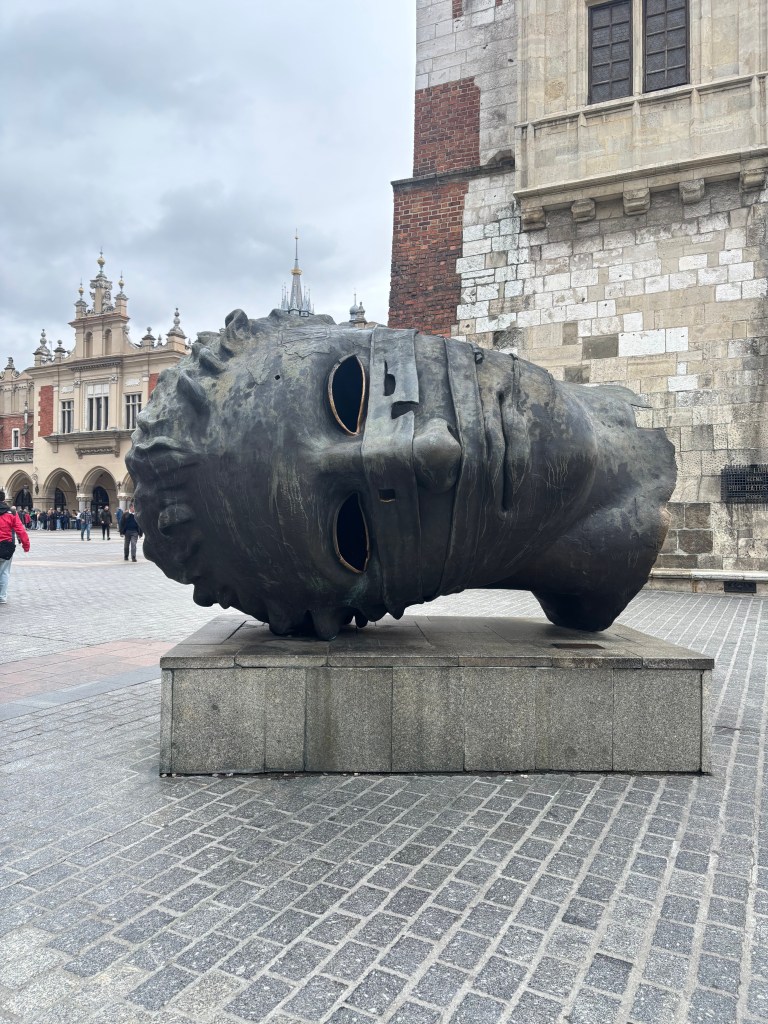
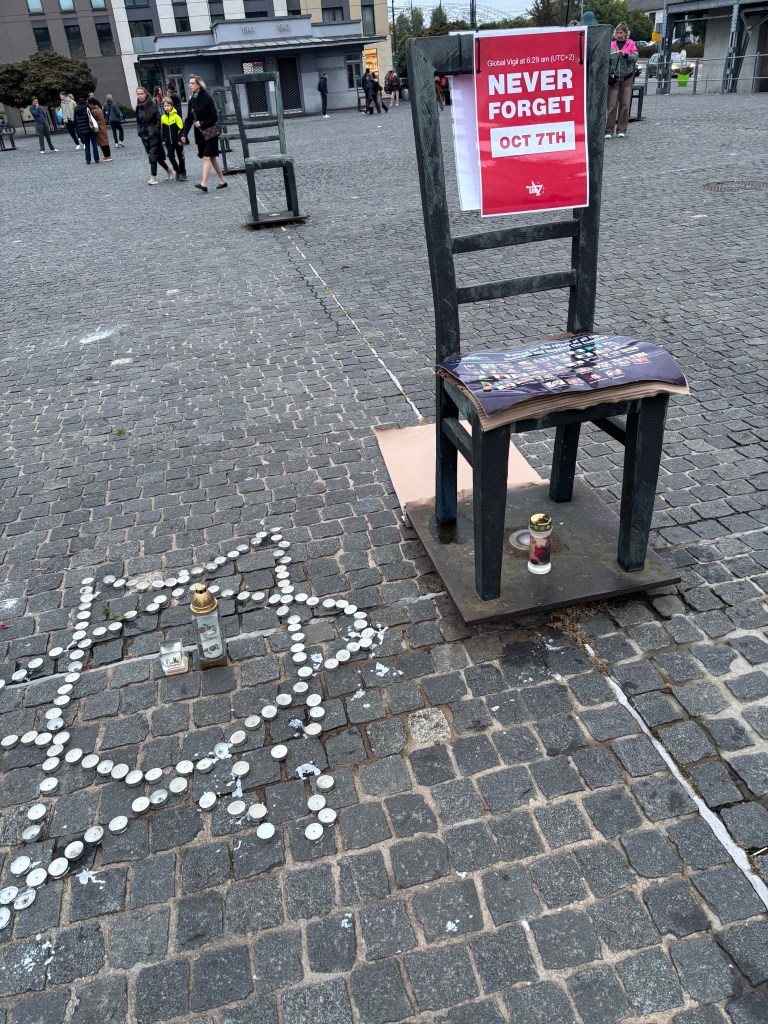
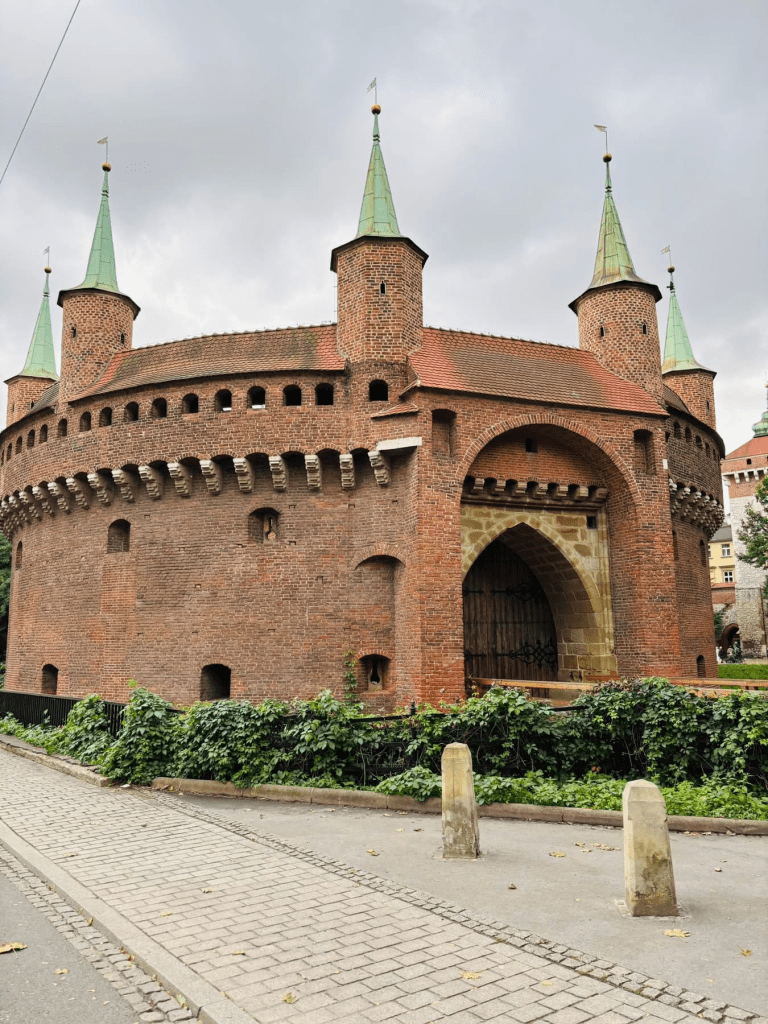
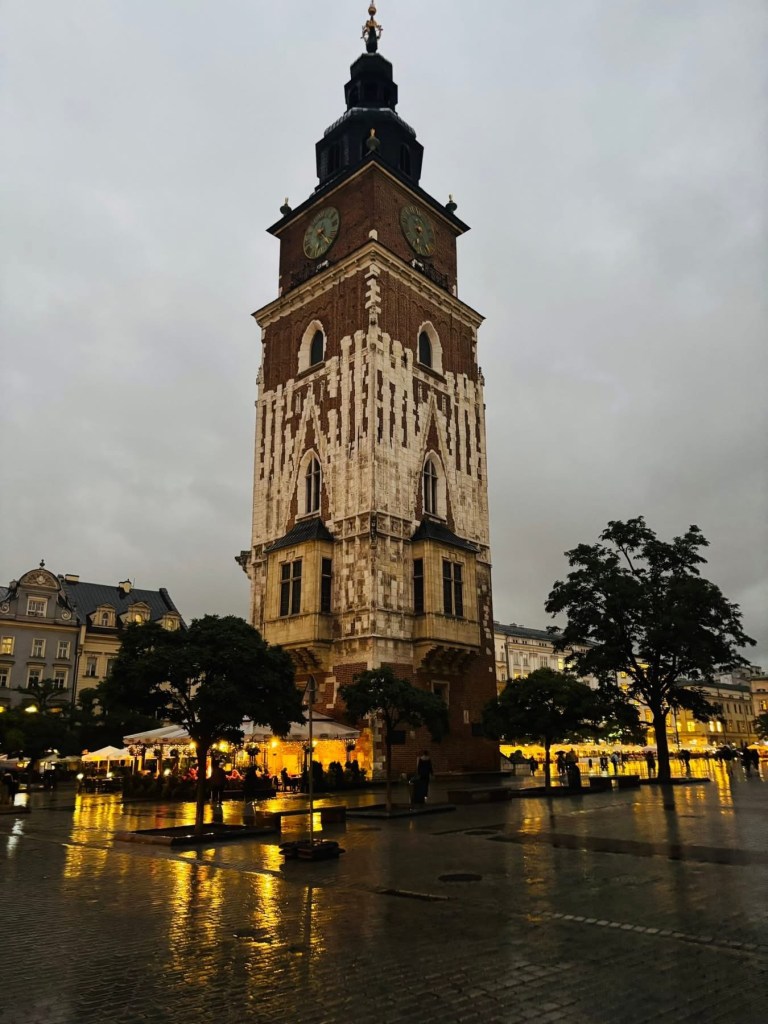
One moment I’ll never forget wasn’t in any guidebook. We were walking through Old Town when a spontaneous pro-Palestinian demonstration started — peaceful, passionate, organized. And then, just as quickly, it ended. Within minutes the square transformed back into music, laughter, strolling tourists, even a DJ spinning in the corner. No violence. No chaos. Just democracy — loud for a moment, then calm. It made me appreciate Poland even more. A country that survived invasion, genocide, and decades of oppression now stands as one of NATO’s strongest partners. You can feel that resilience everywhere.
This trip felt different. Maybe because my kids were with me. Maybe because the history is so heavy. Maybe because the people are so warm, the food so good, the streets so beautiful. Poland is underrated — wildly so. It’s one of the most powerful places I’ve ever visited, emotionally and historically, but also one of the most welcoming. You feel the past, but you also feel hope. You feel loss, but you also feel life. And maybe that’s the truest way to honor what happened there: by remembering fully, and then living fully.
Poland stays with you. I think it always will.

 Mike on the Move
Leave a comment