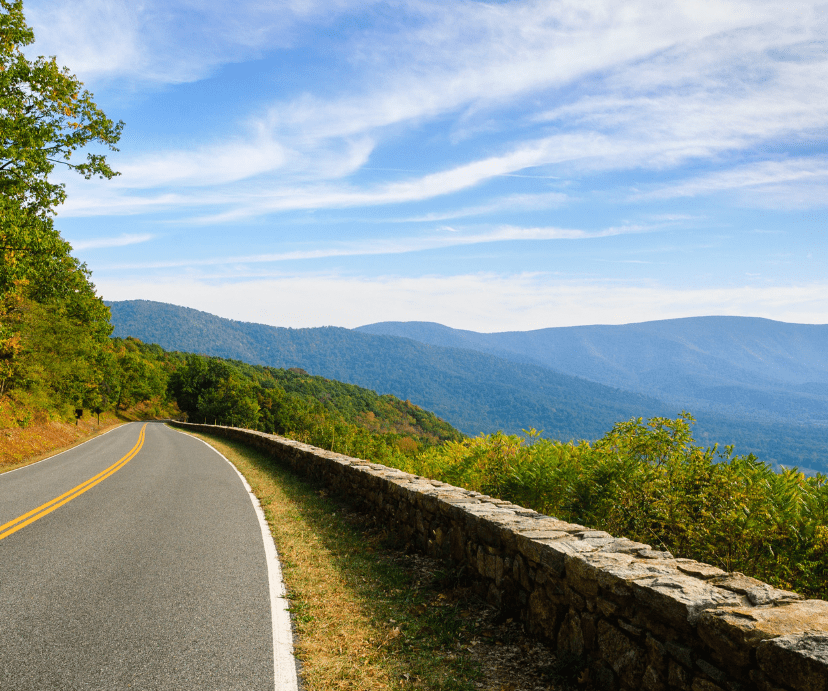
I’ve written about far-off places, long roads, foreign cities, and ancient ports. I’ve crossed borders and oceans, chased stories in places that felt unfamiliar and new. But it’s time I write about the place that never lets go of me — the place I return to every time. My home. The Shenandoah Valley.
The Shenandoah Valley is not loud. It doesn’t demand attention. It doesn’t try to impress you. It waits. And if you slow down long enough, it shows you everything.
This valley stretches between the Blue Ridge Mountains to the east and the Alleghenies to the west, a long, fertile corridor that has quietly shaped American history. Long before settlers arrived, Native American tribes traveled and hunted here, following the river that would later give the valley its name — Shenandoah, often translated as “Daughter of the Stars.” The river was the valley’s lifeline then, just as it is now.
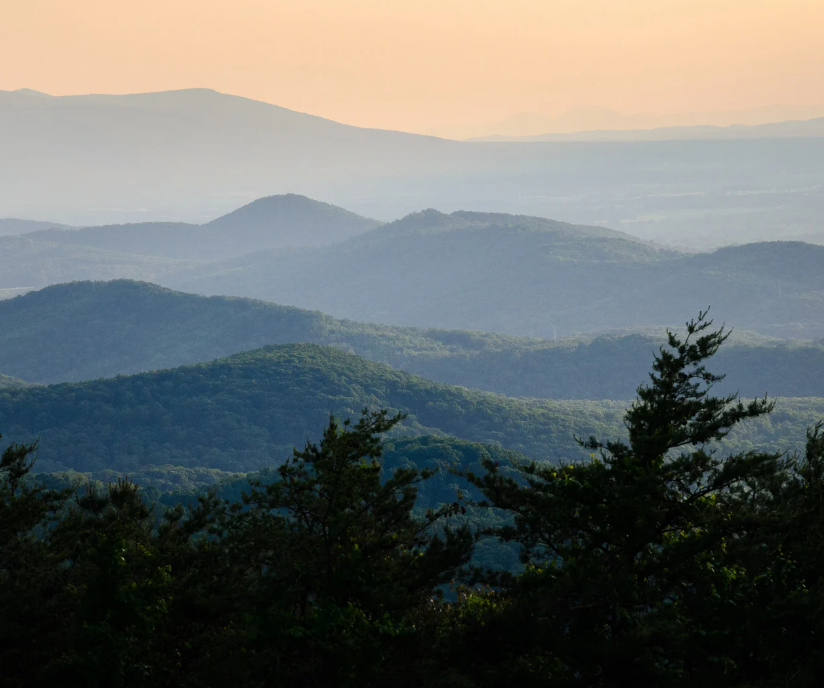
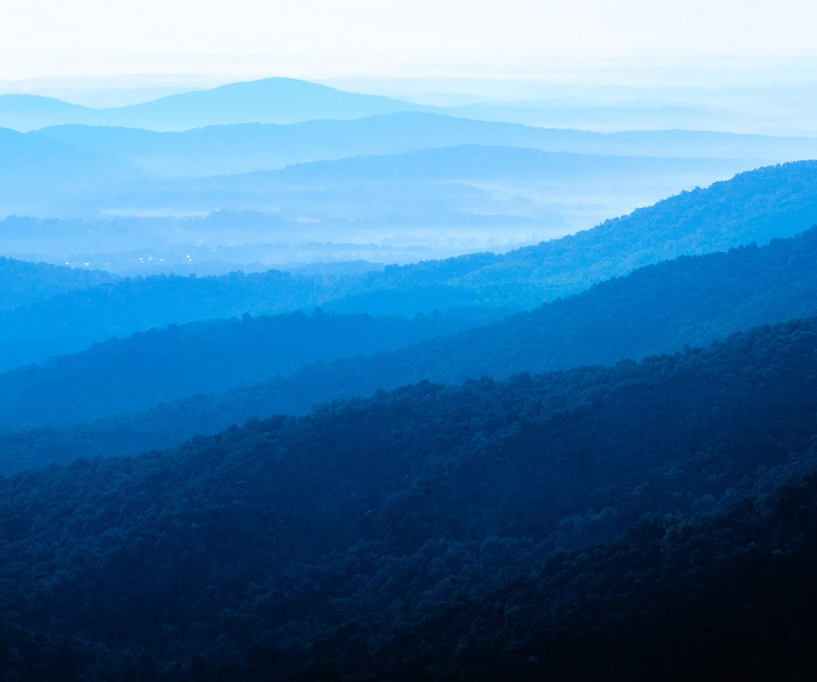
During the Civil War, the Shenandoah Valley earned the name “The Breadbasket of the Confederacy.” Its rich farmland fed armies, and its geography made it a strategic prize. Battles were fought in fields that today grow corn and hay. Stone walls that once provided cover now mark property lines. You can stand in places where history turned, where young men marched and never came home. The past isn’t behind glass here — it’s under your feet.
At the northern gateway to the valley sits Front Royal, a town many people pass through without realizing how much history it holds. Known as the official entrance to Skyline Drive, Front Royal is where Shenandoah National Park truly begins — but it’s also where the North and South Forks of the Shenandoah River meet, merging into a single flow that carries the valley northward. That confluence has shaped the town for centuries, making it a natural crossroads for trade, travel, and eventually conflict.
Front Royal played a pivotal role in the Civil War, most notably during the Battle of Front Royal in 1862, part of Stonewall Jackson’s Valley Campaign. The town changed hands, bridges were burned, and rail lines were targeted — including the Manassas Gap Railroad, which once connected Front Royal directly to eastern markets and made it an important logistical hub. Today, those same streets feel peaceful, but the weight of what passed through them lingers if you know where to look.
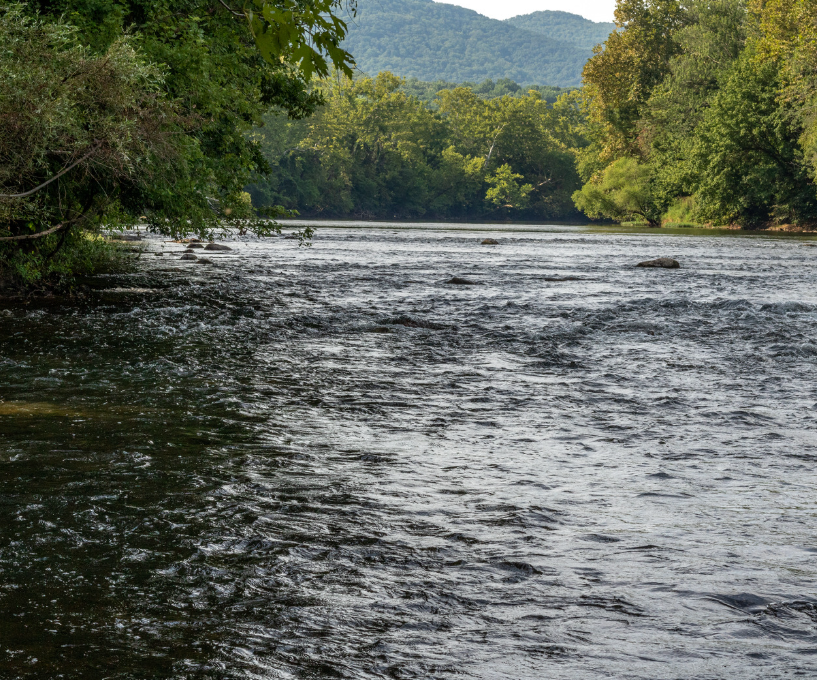
At the heart of the valley flows the Shenandoah River itself, winding northward with an easy grace that mirrors the pace of life around it. The river isn’t wild and raging — it’s patient, steady, inviting. It’s a river meant to be lived with. In the summer, it becomes the gathering place. People float its bends in tubes and kayaks, letting the current carry them past farmland, forest, and quiet stretches where herons lift off the water at the last second. Anglers wade in at dawn, casting for smallmouth bass while mist rises off the surface like breath.
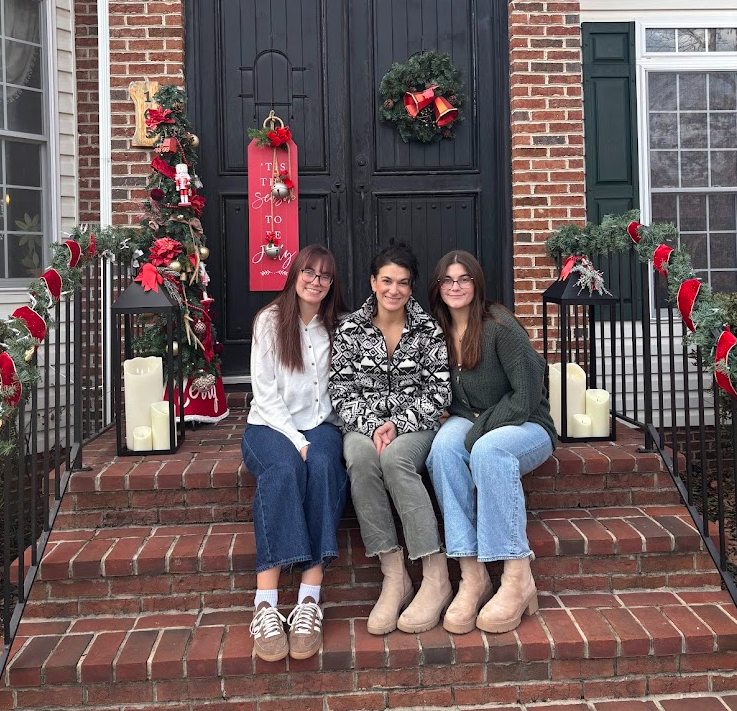
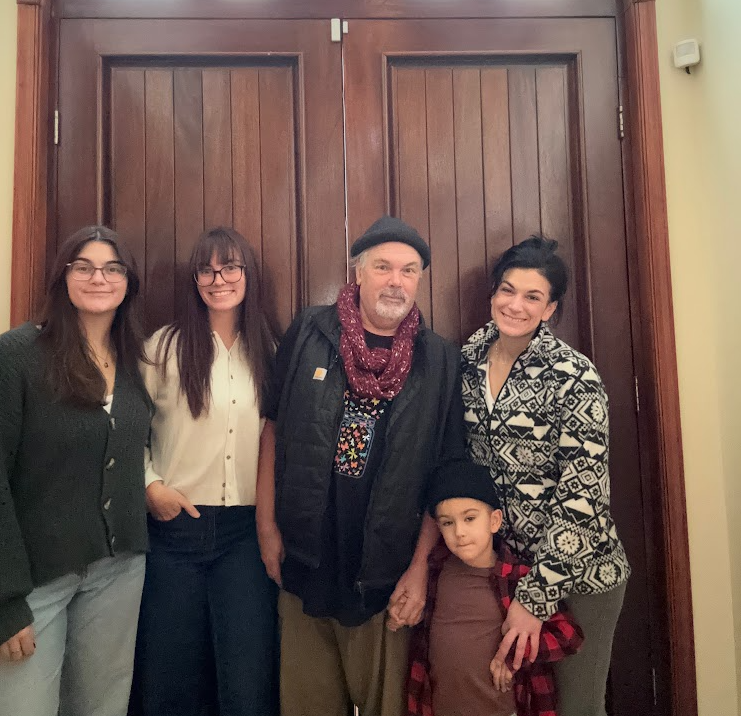
I’ve spent countless hours along its banks — skipping stones, fishing, or simply sitting still while the water does what it’s always done. And through all my travels, this river has always felt like the place that taught me what really matters. I think about all my children when I’m here — Joshua, Alex, Danon, Holly, Cameron, Delainey, and Rileigh — and the message I hope my travels quietly send them: that the world is worth exploring, but home is worth protecting.
Danon and Joshua spent their summers here with me, learning the rhythms of the river and the mountains, while the other five grew up here year-round, shaped by these seasons, these roads, and these views. I couldn’t imagine a better place to raise children — a place that teaches patience, resilience, and appreciation simply by existing. The valley gives you space to grow, to make mistakes, to wander, and to come back changed but grounded.
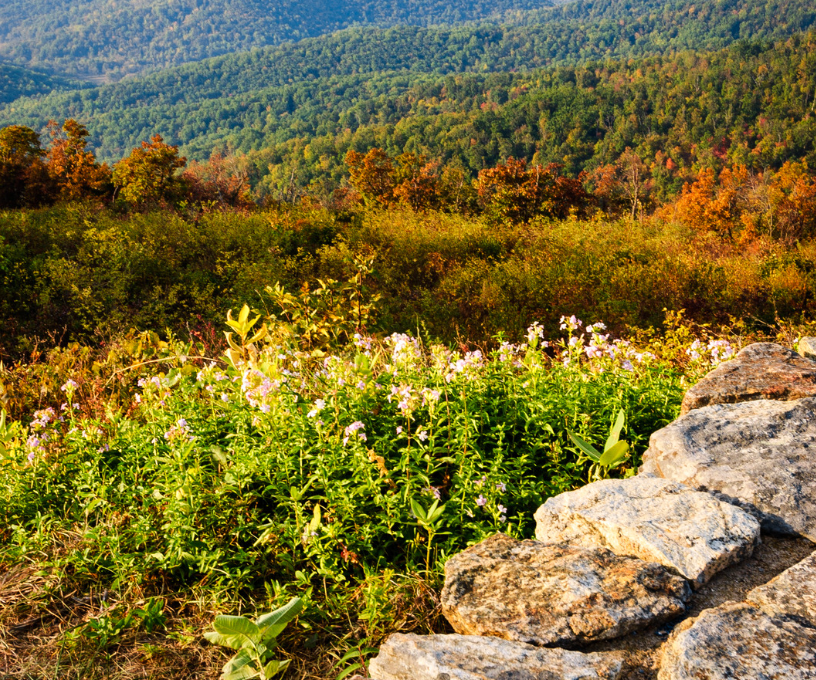
The valley offers endless ways to step outside and breathe. Shenandoah National Park runs along the Blue Ridge, with Skyline Drive stretching for miles, every overlook offering a reminder of just how wide the world can feel when you’re standing still. Hikes range from gentle walks to demanding climbs, all rewarding you with views that feel earned. Waterfalls tumble through mossy hollows, and in autumn the entire valley burns with color — reds, golds, and oranges spilling across the mountainsides.
Small towns dot the valley, each with its own rhythm. Farmers markets in the mornings. Local diners where everyone knows your name by your second visit. Historic downtowns like Front Royal’s, where brick storefronts and old theaters tell stories of boom years, quiet years, and revival. There’s a deep agricultural soul here — families who’ve worked on the same land for generations, who understand seasons not as dates on a calendar but as instincts.
What makes the Shenandoah Valley special isn’t just its beauty — it’s its balance. It holds joy and sorrow, stillness and movement, history and renewal. It’s a place where the land remembers but also forgives. Where days are measured by sunlight and weather instead of clocks. Where home feels less like a location and more like a steady presence.
I’ve been lucky to see incredible places around the world. And I’ve learned that travel doesn’t always mean going somewhere new. Sometimes it means seeing what’s always been there with clearer eyes.
The Shenandoah Valley doesn’t ask to be discovered. It asks to be known. And once it knows you, it never really lets you go.
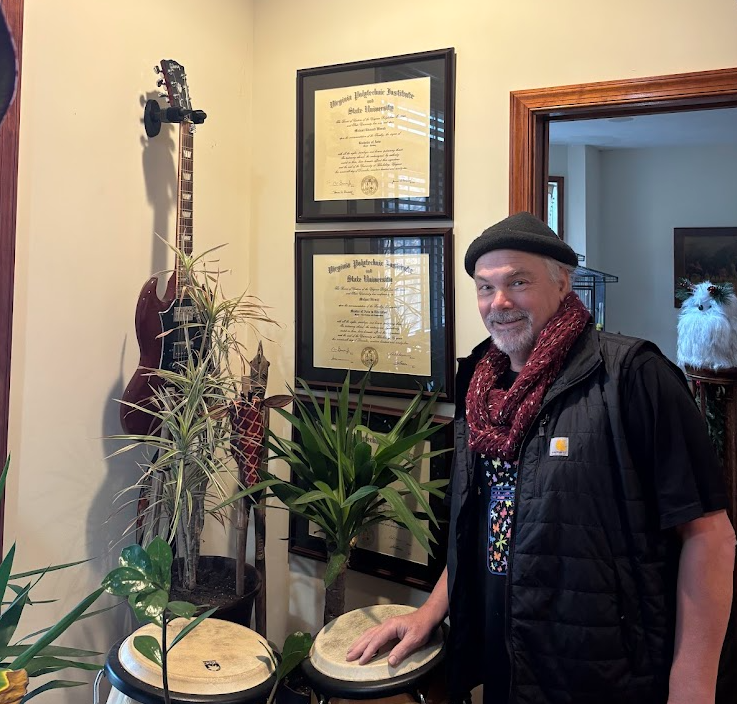
Before I close this chapter, I want to say thank you. The messages, comments, and quiet words of encouragement you’ve shared about Mike on the Move truly mean more to me than you probably realize. This blog started as a way to document my travels, but it’s become something more — a conversation, a connection — and I’m grateful for every person who takes the time to read along.
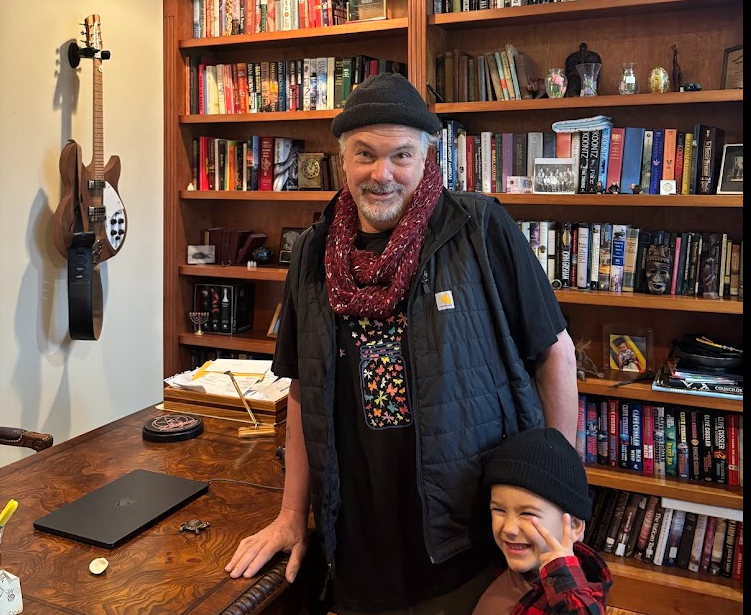
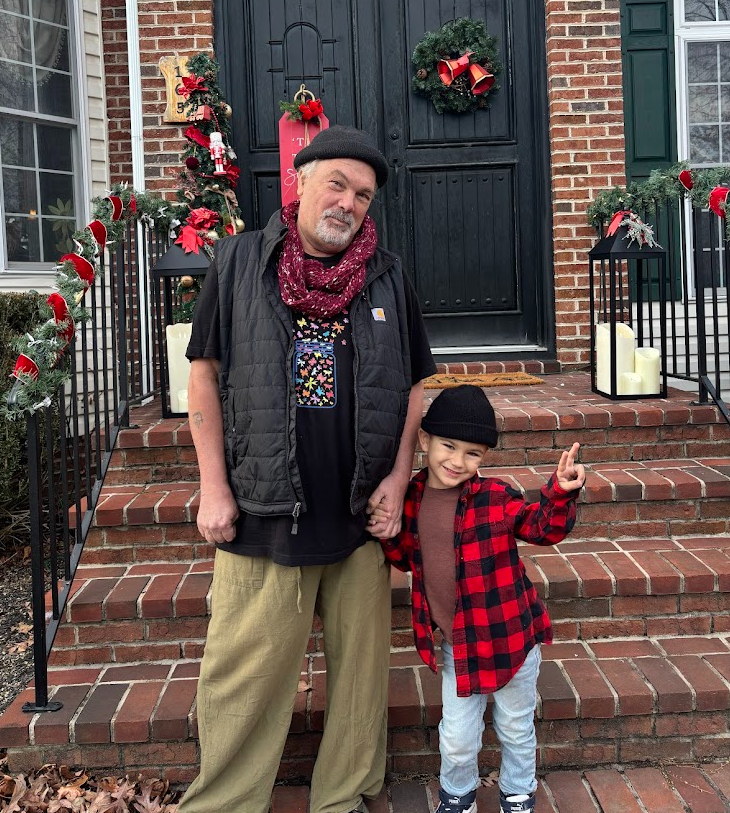
Writing about the Shenandoah Valley feels especially personal because it’s where my children’s names appear in the stories of my life just as much as they do in these pages, and where my grandson Harvey is beginning to build his own memories. Watching him discover the world — even in small moments close to home — has reminded me that the places we love aren’t just landscapes, they’re legacies.
As the year comes to a close, I want to wish each of you a very Merry Christmas. I hope the season brings you warmth, peace, and time with the people who matter most. Whether you’re traveling far or staying close to home, may you find beauty wherever you are — and may you always have a place that feels like this valley does to me.

 Mike on the Move
Leave a comment