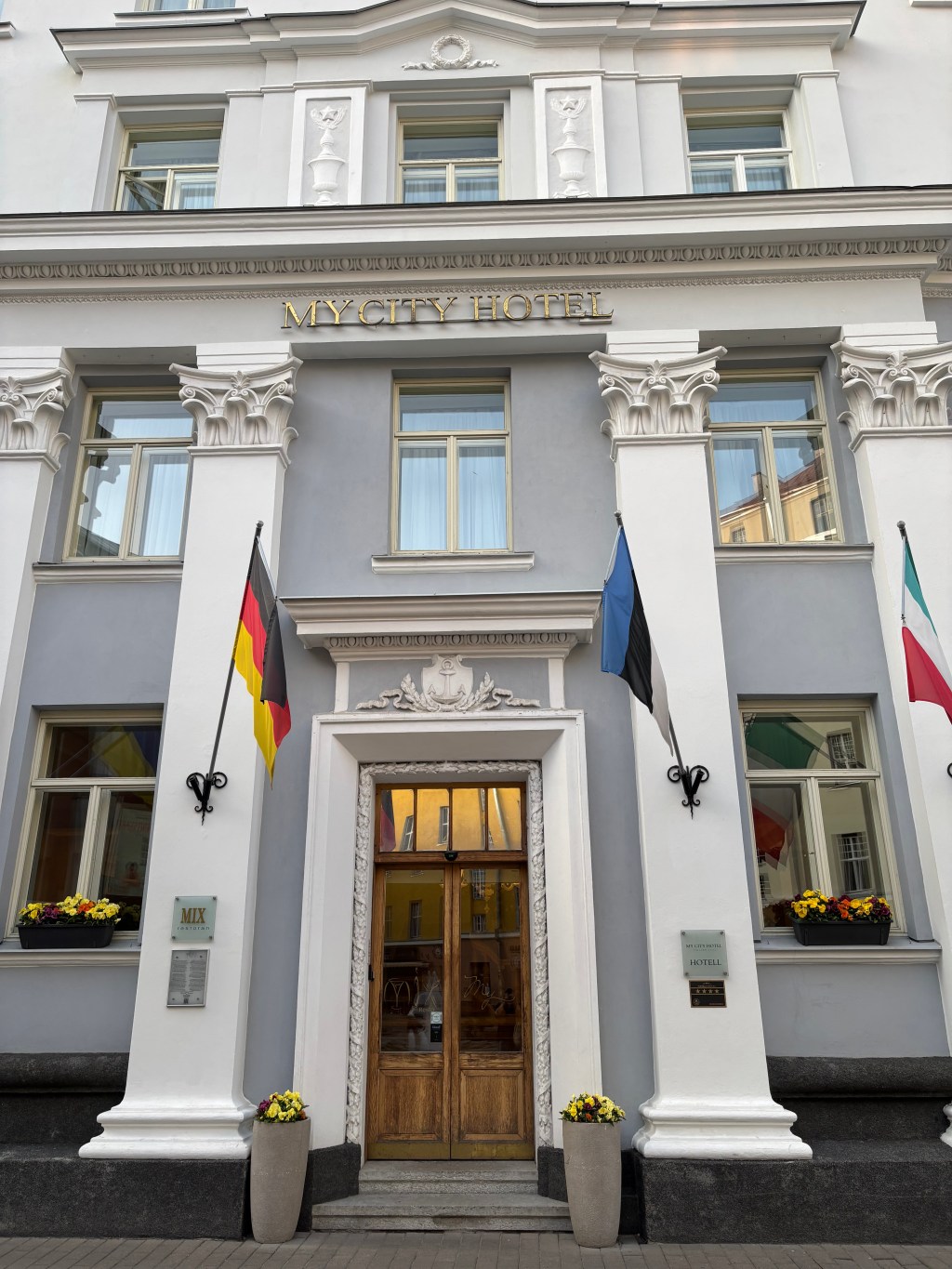
If there’s a place that feels caught between two worlds — the old and the new, the free and the occupied — it’s Tallinn, Estonia.
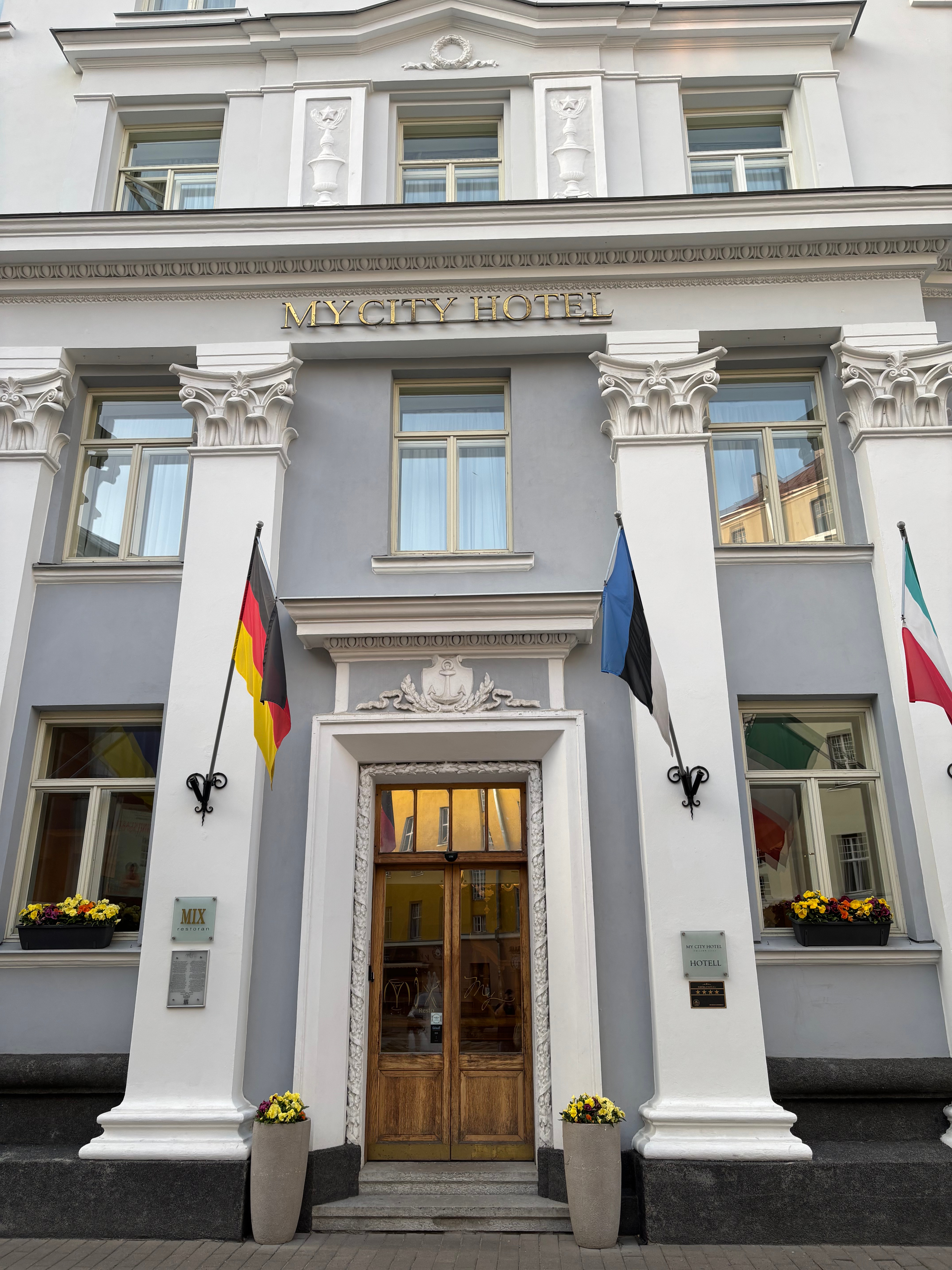
I stayed at My City Hotel, an incredible place that used to be the Russian naval headquarters back in the Soviet days. Picture this: marble staircases, echoing hallways, and that heavy kind of silence that makes you wonder who walked those steps before you. The building has been completely transformed by an Italian art collector into an art-filled hotel — paintings everywhere, sculptures tucked into corners — but it still carries that Soviet edge. I started taking the stairs instead of the elevator just to imagine what it must’ve been like when it was full of Russian officers and naval men. History under your feet — literally.
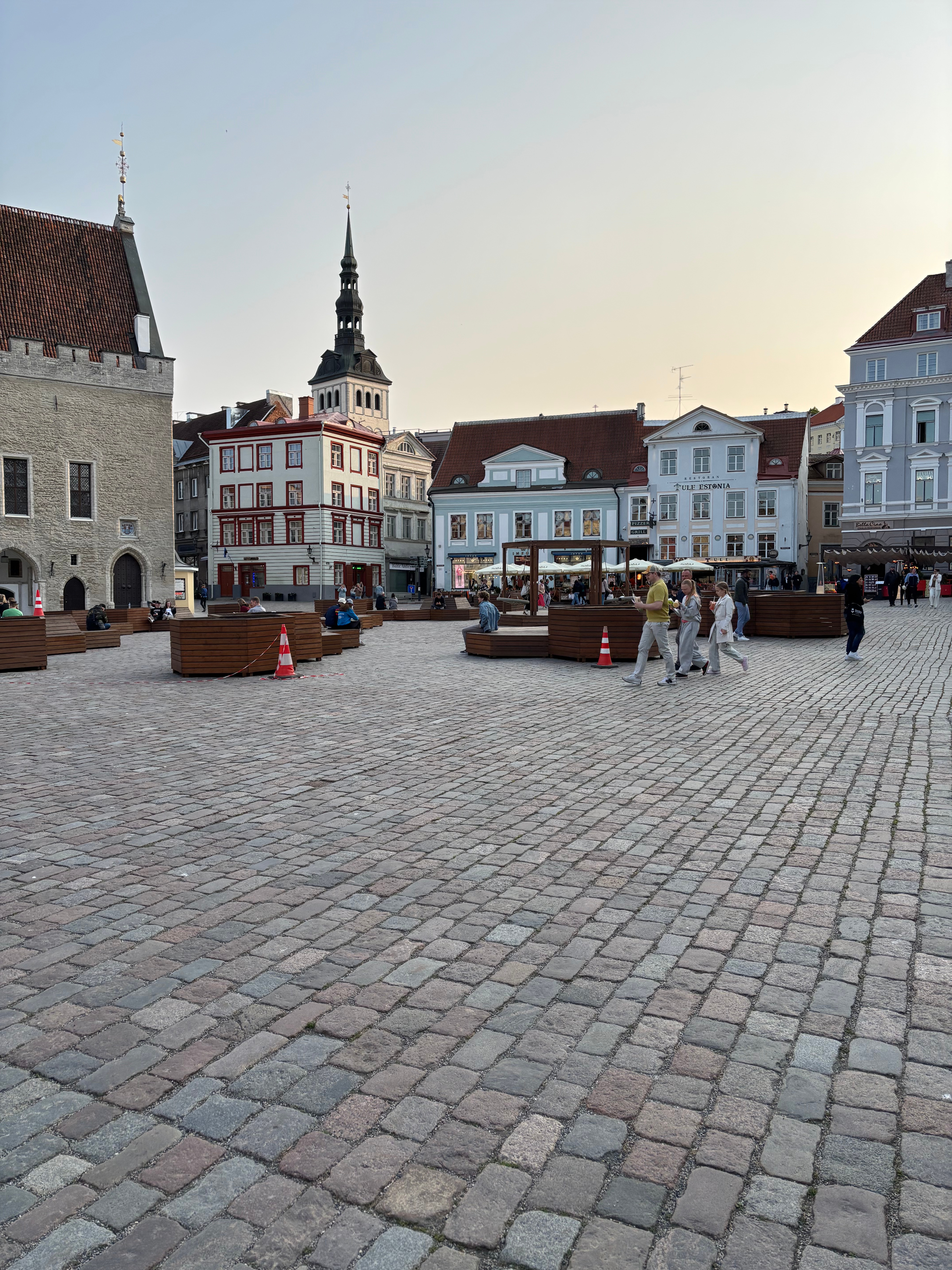
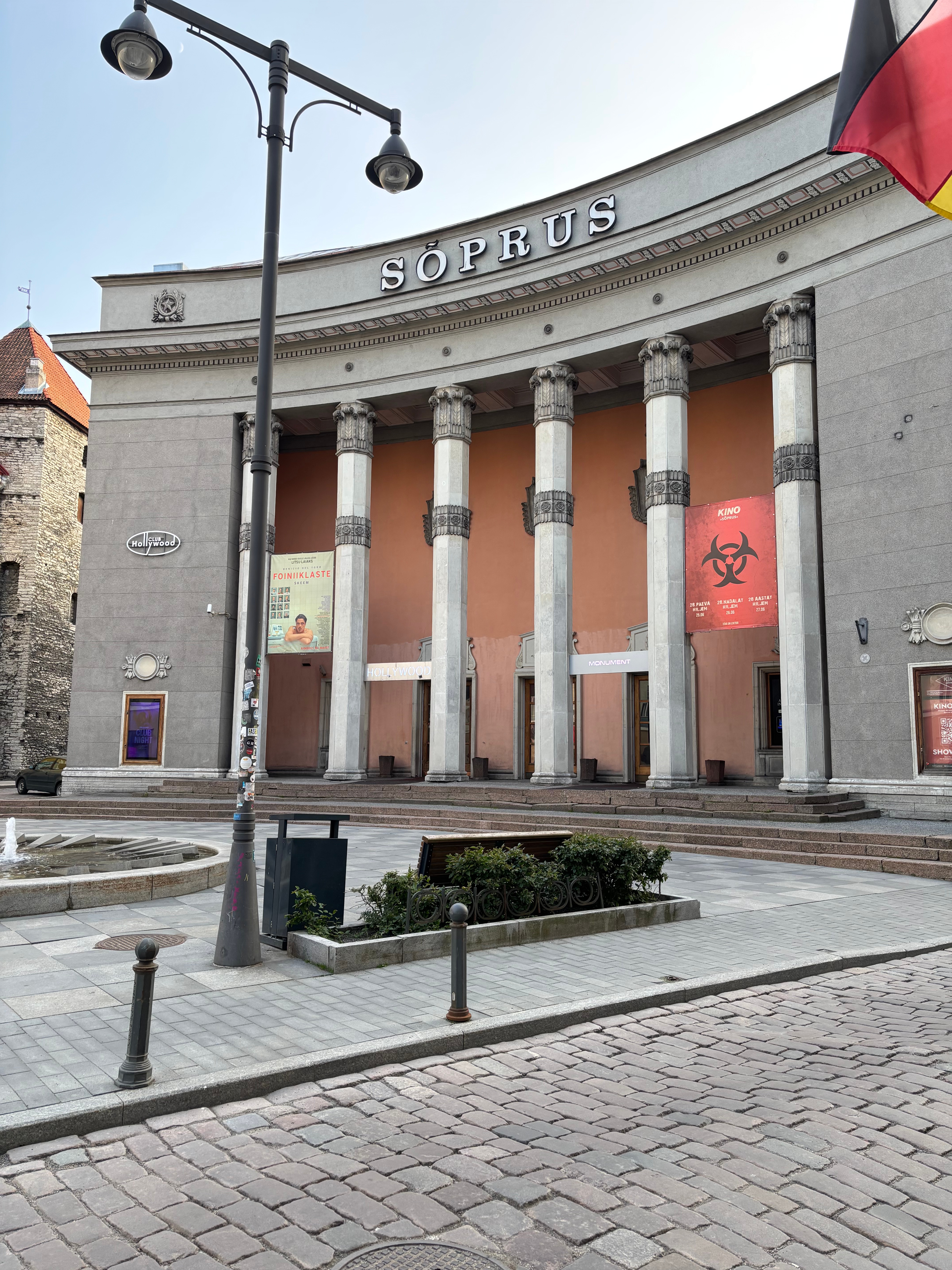
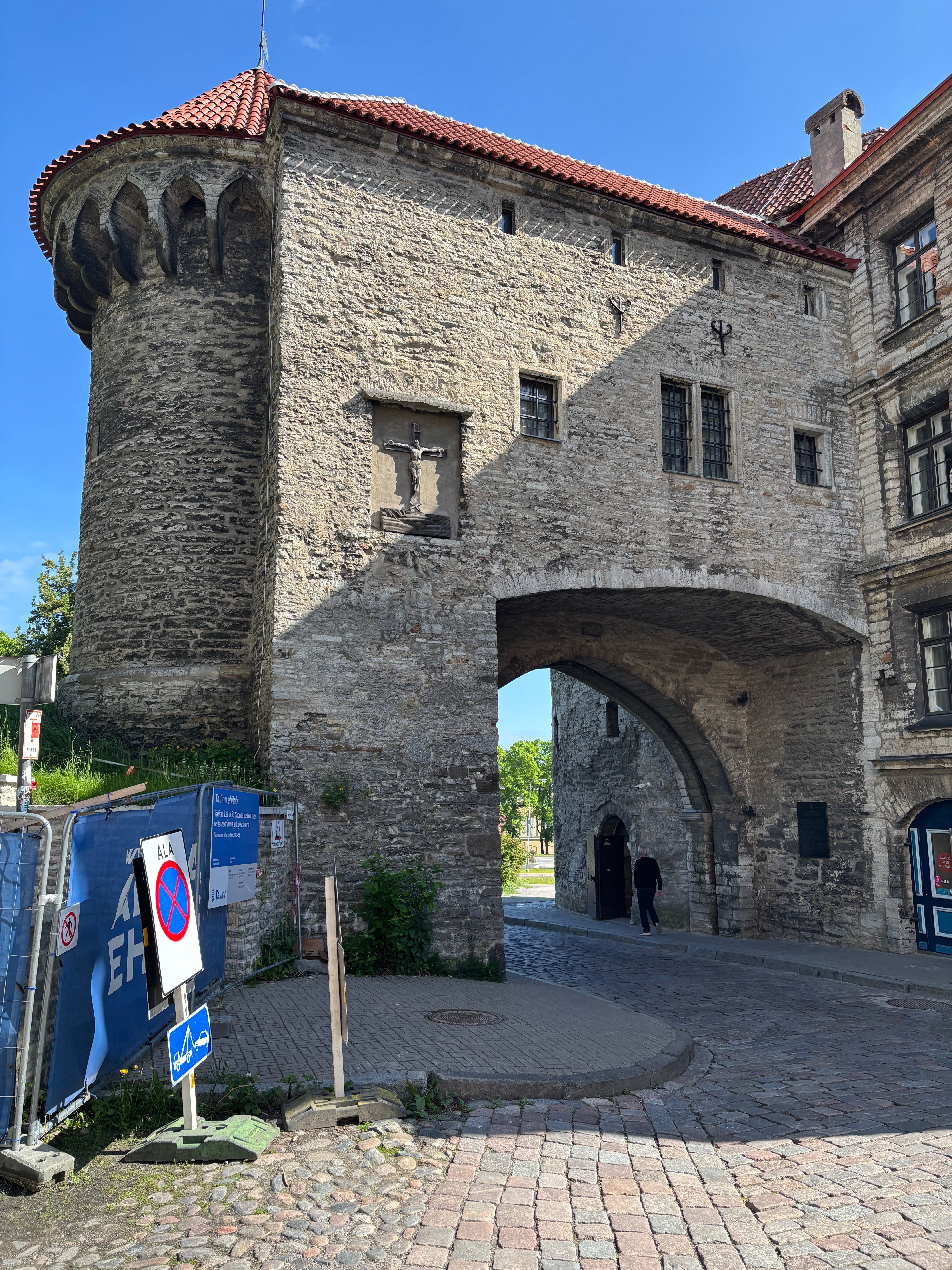
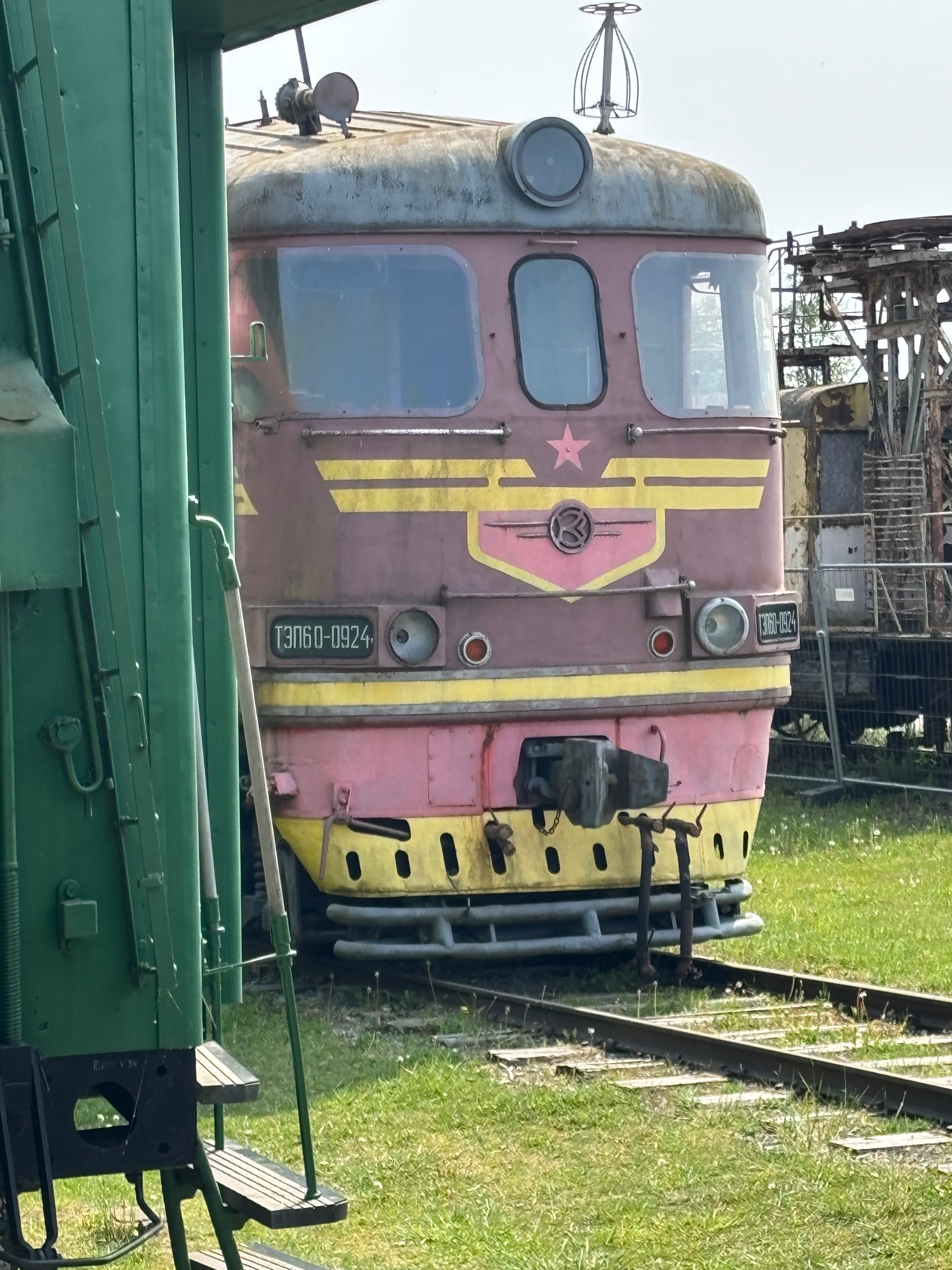
Tallinn itself is a medieval masterpiece. The old town survived World War II surprisingly well, and it’s stunning — winding cobblestone streets, towers, stone walls, and rooftops that make you feel like you’ve stepped straight into a fairy tale. But you don’t have to go far before you hit the Soviet leftovers — gray, blocky buildings that stand like concrete punctuation marks on the city’s edge. It’s this fascinating contrast: beauty and brute practicality side by side.
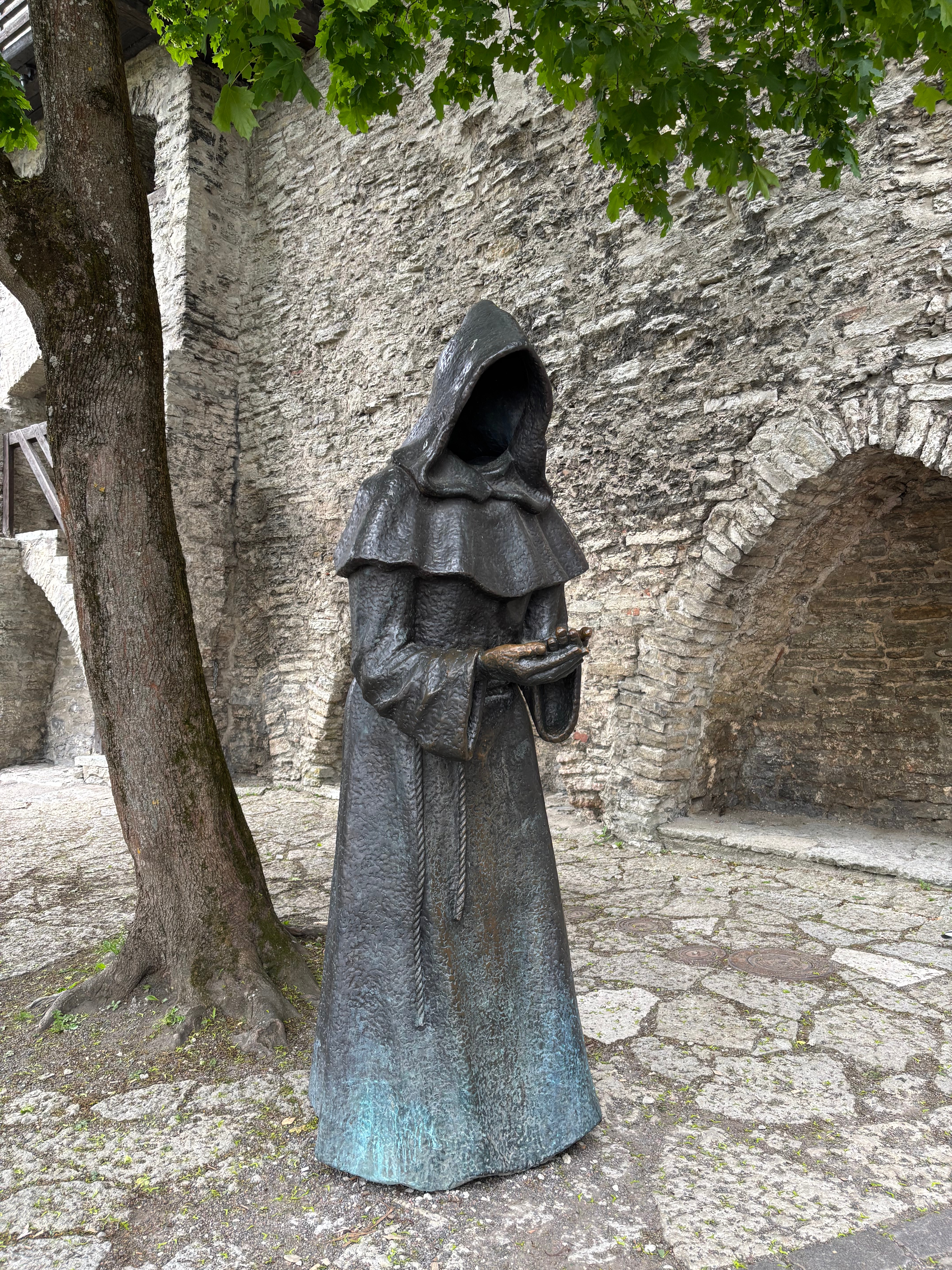
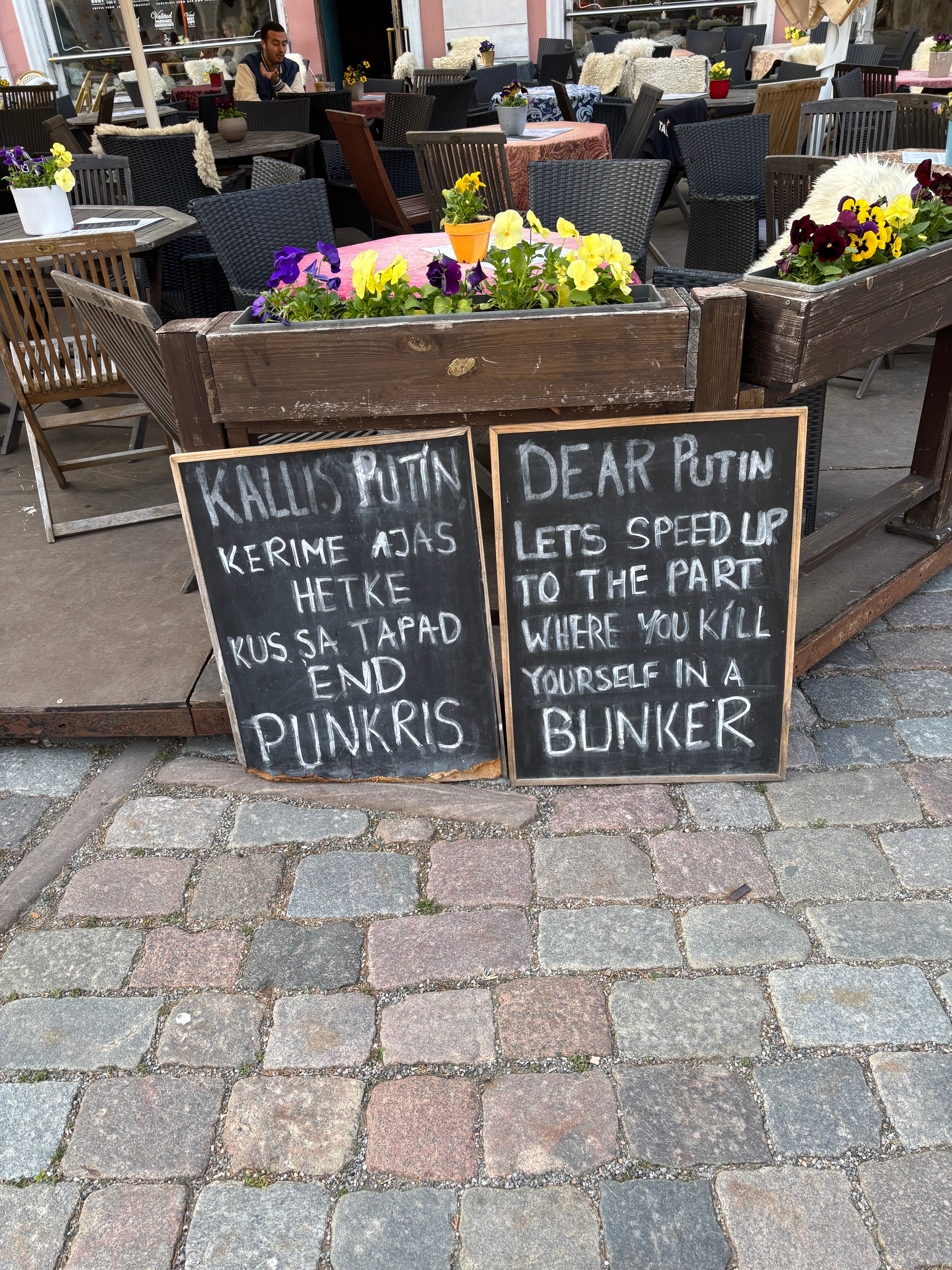

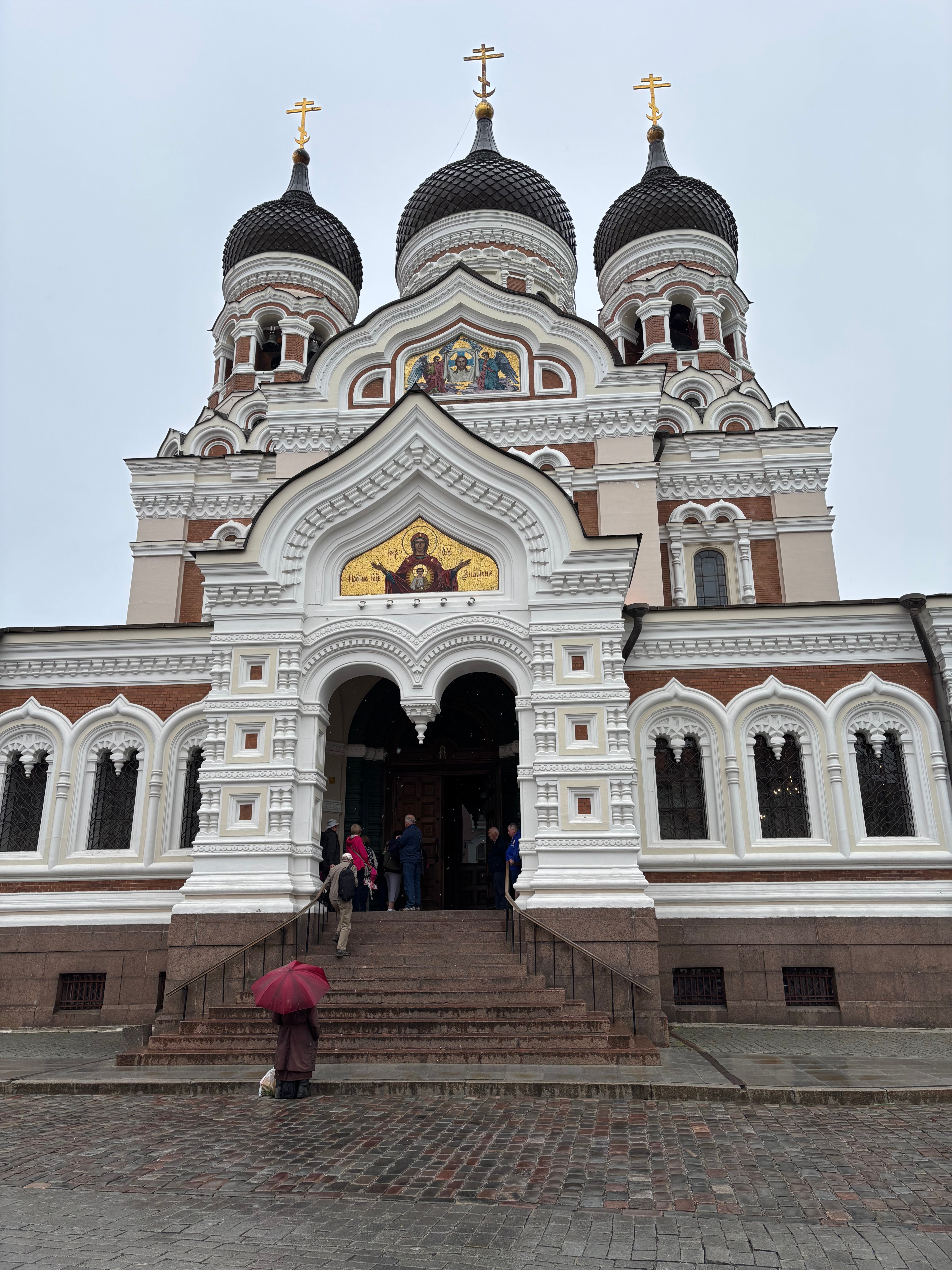
What I loved most about Estonia was the sense that people there are thinkers and doers. It’s small, but it feels sharp — environmentally conscious, tech-savvy, and forward-looking. They really take care of their country. One day I went to Matsalu National Park, a huge bird sanctuary and wetland area. Our guide was a ball of energy with a master’s degree in ecology — and a genuine love for the land. We even stumbled upon a Flag Day ceremony in a tiny village — just a handful of locals, a small-town mayor, and a priest who had studied in D.C. They saw us watching and invited us over for food and conversation like we’d known them for years. That moment summed up Estonia for me — open, genuine, and quietly proud.
And then there’s the Baltic Sea, which connects Estonia to so many parts of its history. The sea is rich with amber — the “Baltic gold.” You’ll find it everywhere in shops, made into jewelry that glows with this warm, honey-like light. It’s hard not to pick some up, just to hold a piece of that history in your hand.
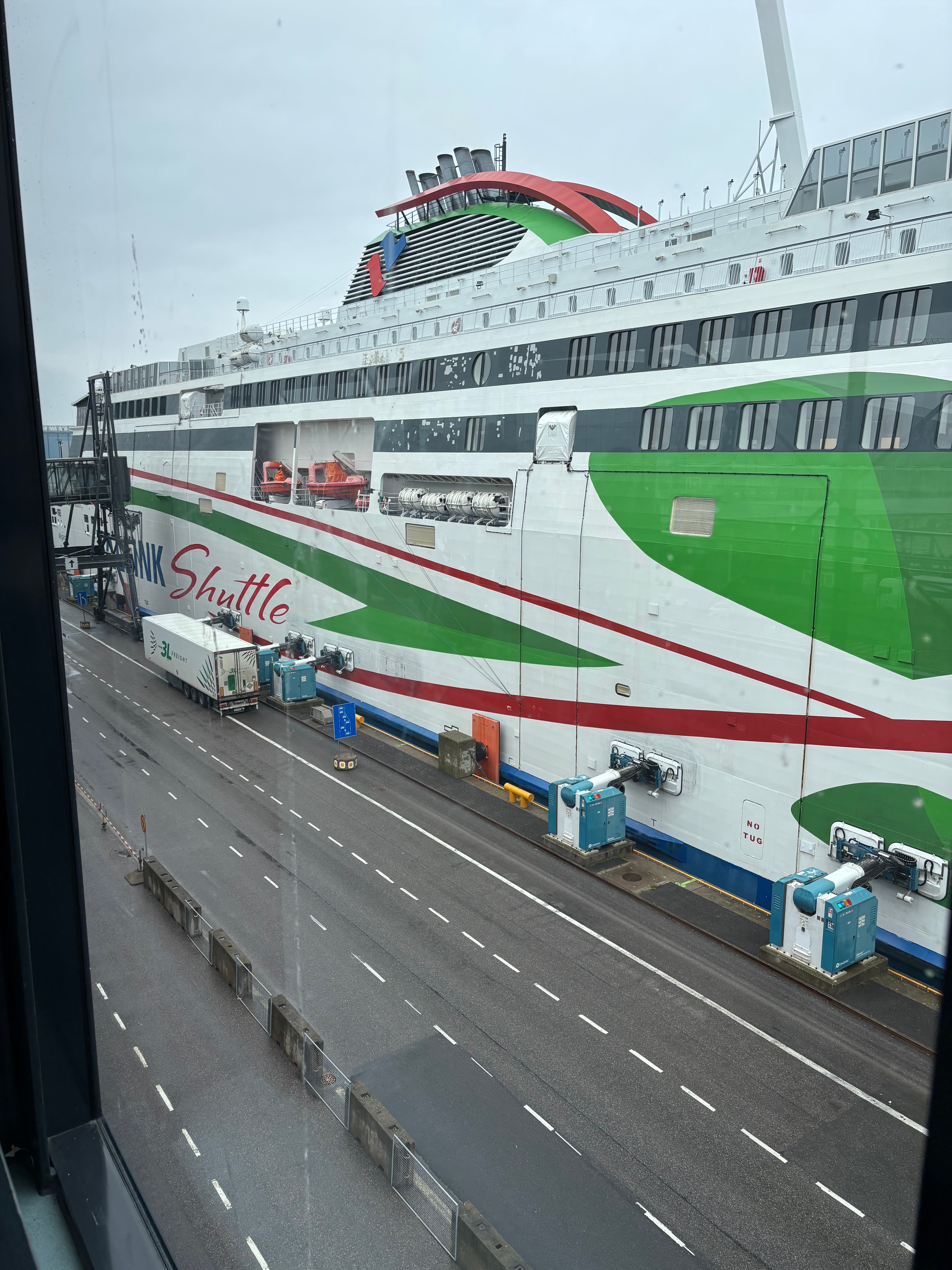
Next stop was Helsinki, just a two-and-a-half-hour ferry ride across the Gulf of Finland. And what a ferry — more like a mini cruise ship. Pubs, restaurants, casinos — you could spend the whole day just exploring the boat. By the time we docked, I felt like I’d already had a vacation before the actual destination.
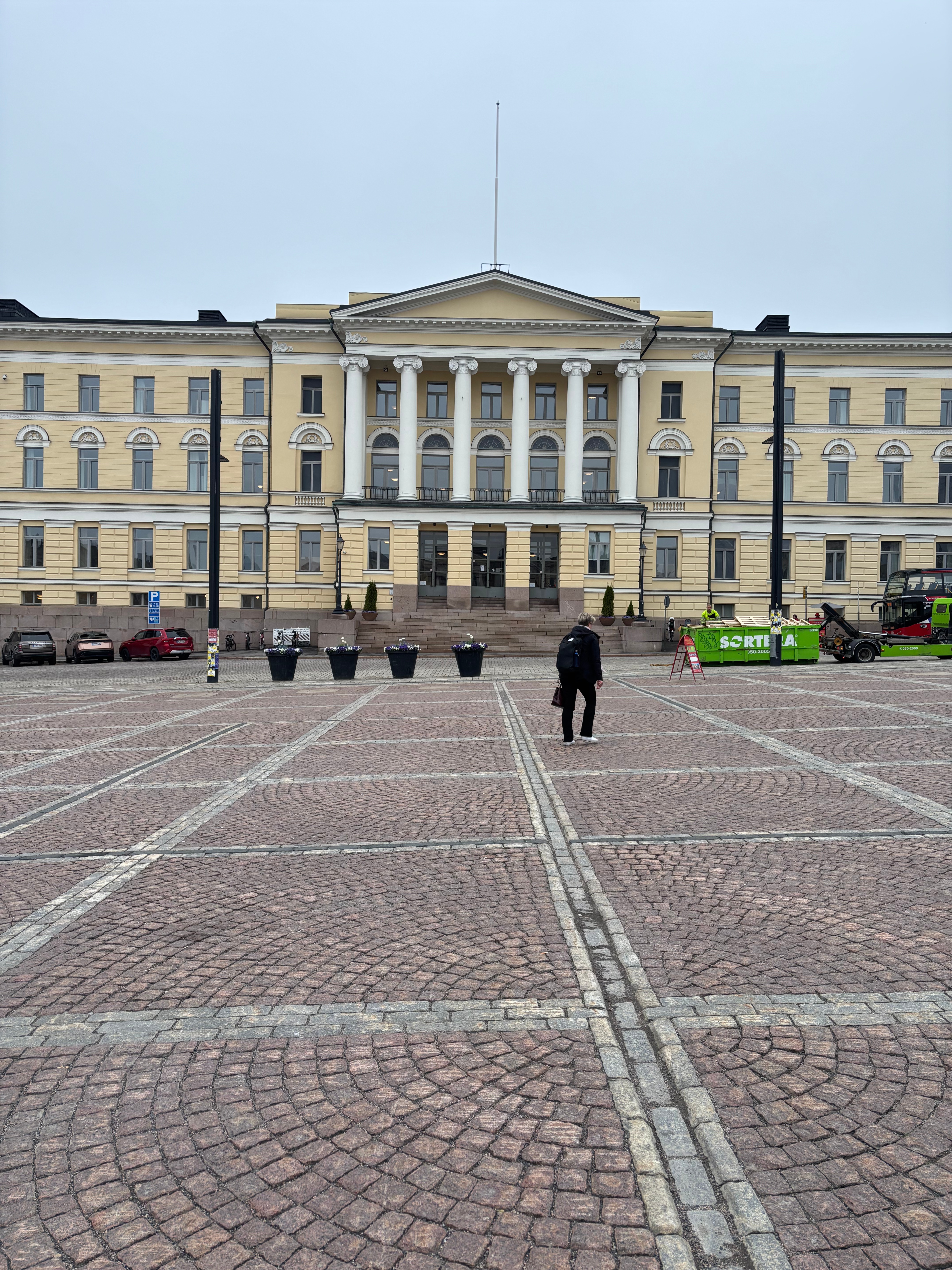
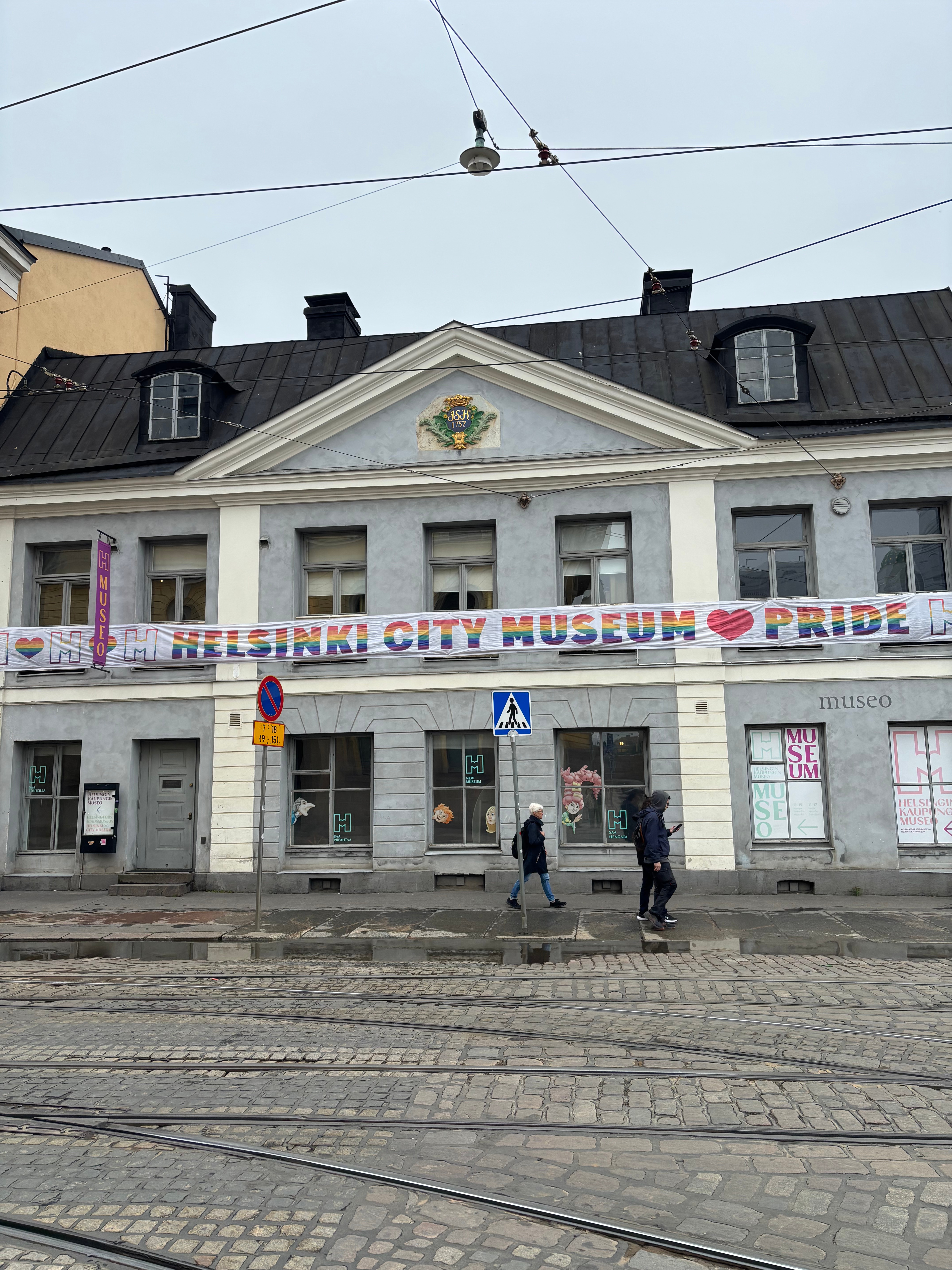
Helsinki is a totally different vibe. Sleek, modern, clean — with none of the medieval feel of Tallinn. That’s partly because most of the old city was destroyed, but they rebuilt it with this fresh, airy look that just works. My guide there was a sociologist, which made for a really interesting tour. He talked a lot about Finnish culture — how equality, education, and social trust shape the country. University is free, and people seem genuinely happy — which might explain why Finland keeps getting voted the happiest country in the world.

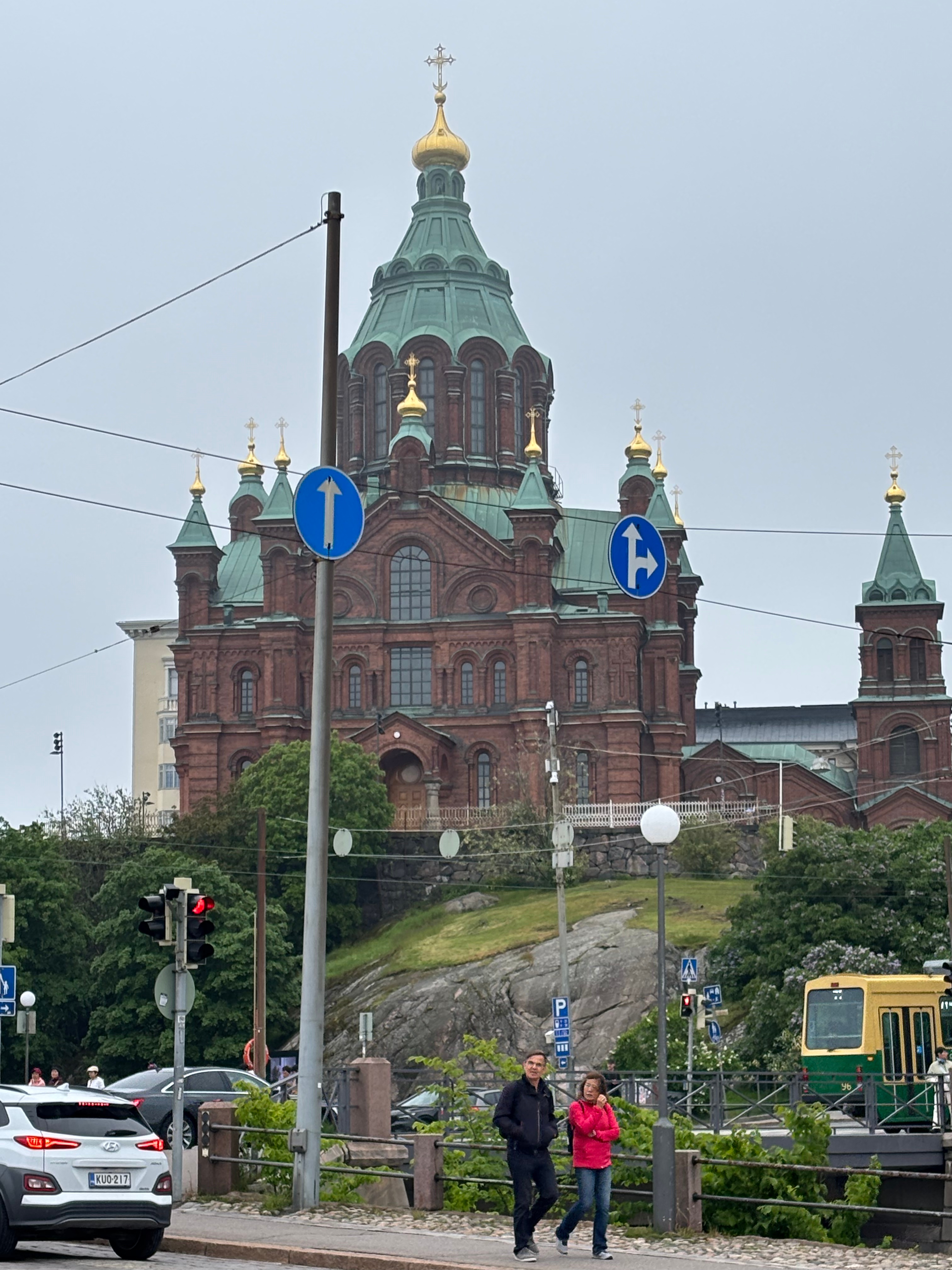
Still, even with all that positivity, you can feel a subtle tension — that awareness of Russia just across the long border. It’s not something people dwell on, but it’s always there in the background, like a shadow that never quite disappears.
Back in Tallinn, I found myself drawn again to that mix of old and new — the cobblestones, the towers, and those Soviet relics standing stubbornly on the edge. The whole place feels like it’s balanced between the past and the future. That’s what I mean when I say it felt like being “on the edge.”
Oh, and before heading home, I had a layover in Amsterdam — which gave me just enough time to restock my cheese supply from my last trip. Priorities, right?
Next up on Mike on the Move: I’m trading the Baltic breeze for the salty air of Portland, Maine — where I’m told the seafood’s unbeatable and the lighthouses have a few ghost stories of their own. Stay tuned!

 Mike on the Move
Leave a comment