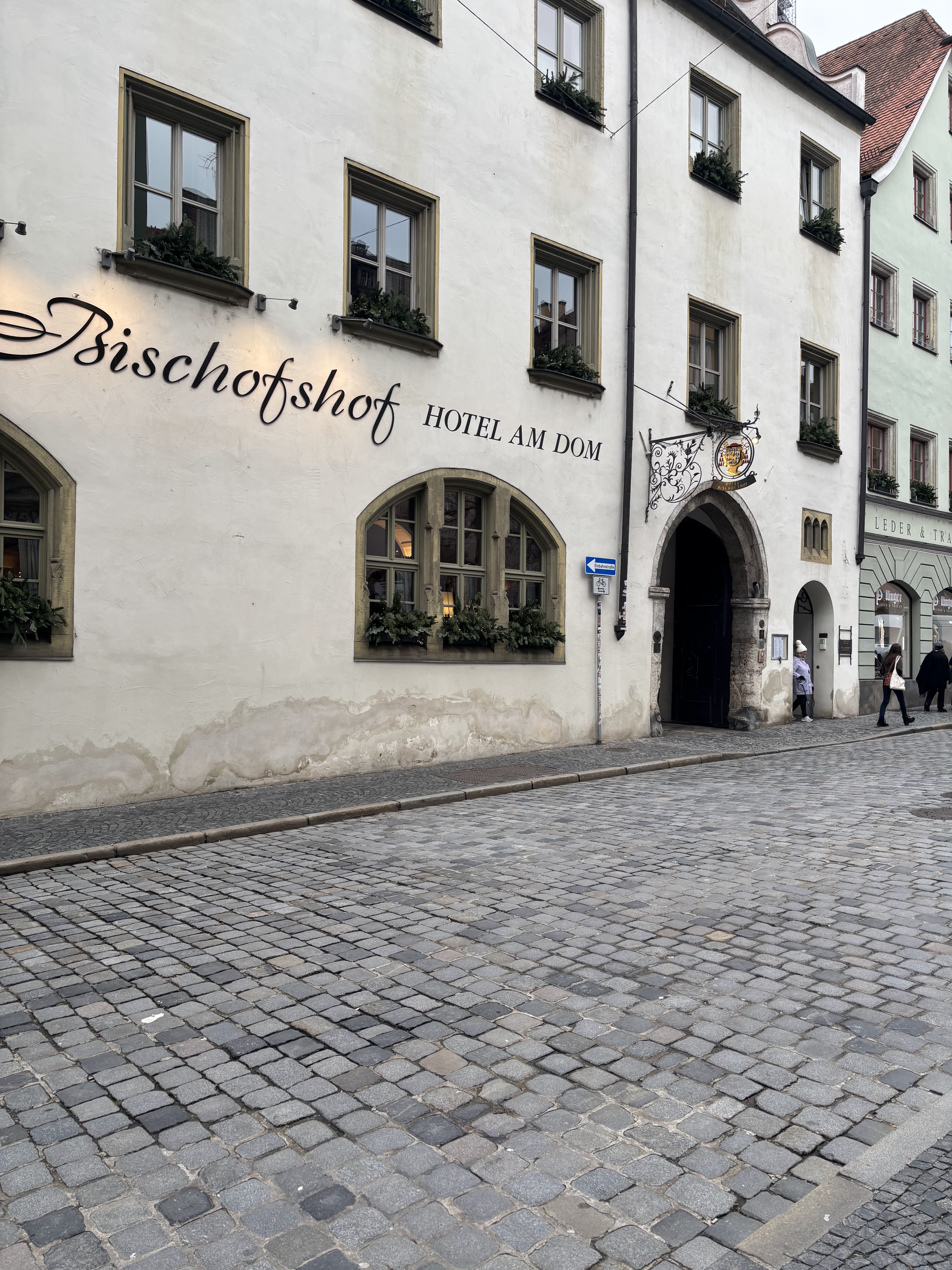
Bavaria in December is nothing short of magical. Cobblestone streets dusted with frost, the aroma of mulled wine and roasted nuts, centuries-old buildings glowing beneath strings of lights—it all feels like stepping into a snow globe. For this trip, I based myself out of the charming city of Regensburg, and it turned out to be the perfect launching point for a journey filled with history, and culture.
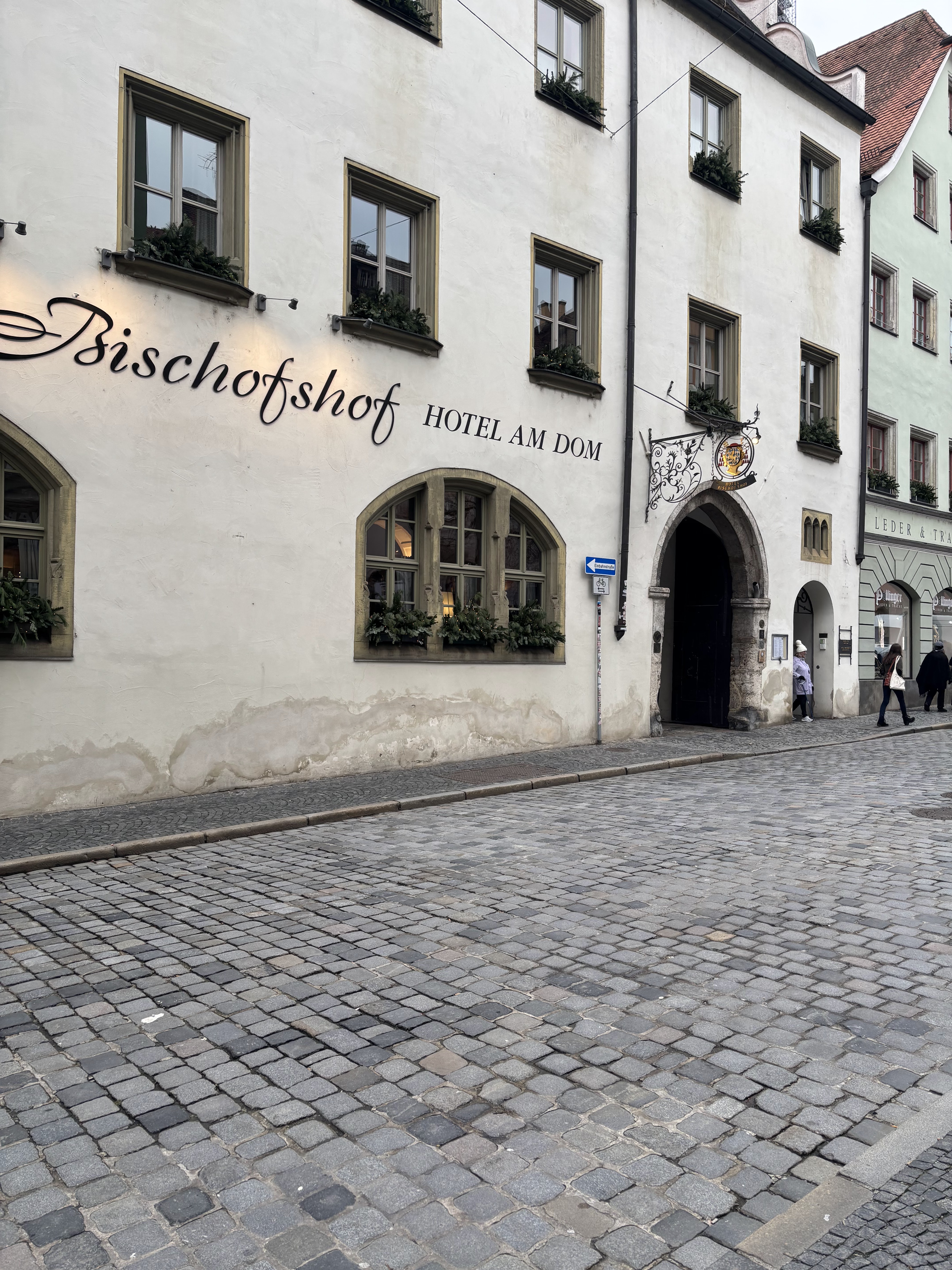
My stay began at the Bischofshof Hotel, an elegant property tucked right in the heart of the city. Built in the 1600s, the hotel once served as the residence of the Prince-Bishops of Regensburg. Today, it stands as a high-end yet cozy retreat with all the modern comforts you’d expect, wrapped in centuries of character. The thick stone walls and antique furnishings whisper stories of the past, while the staff’s warmth and attention to detail made me feel right at home.
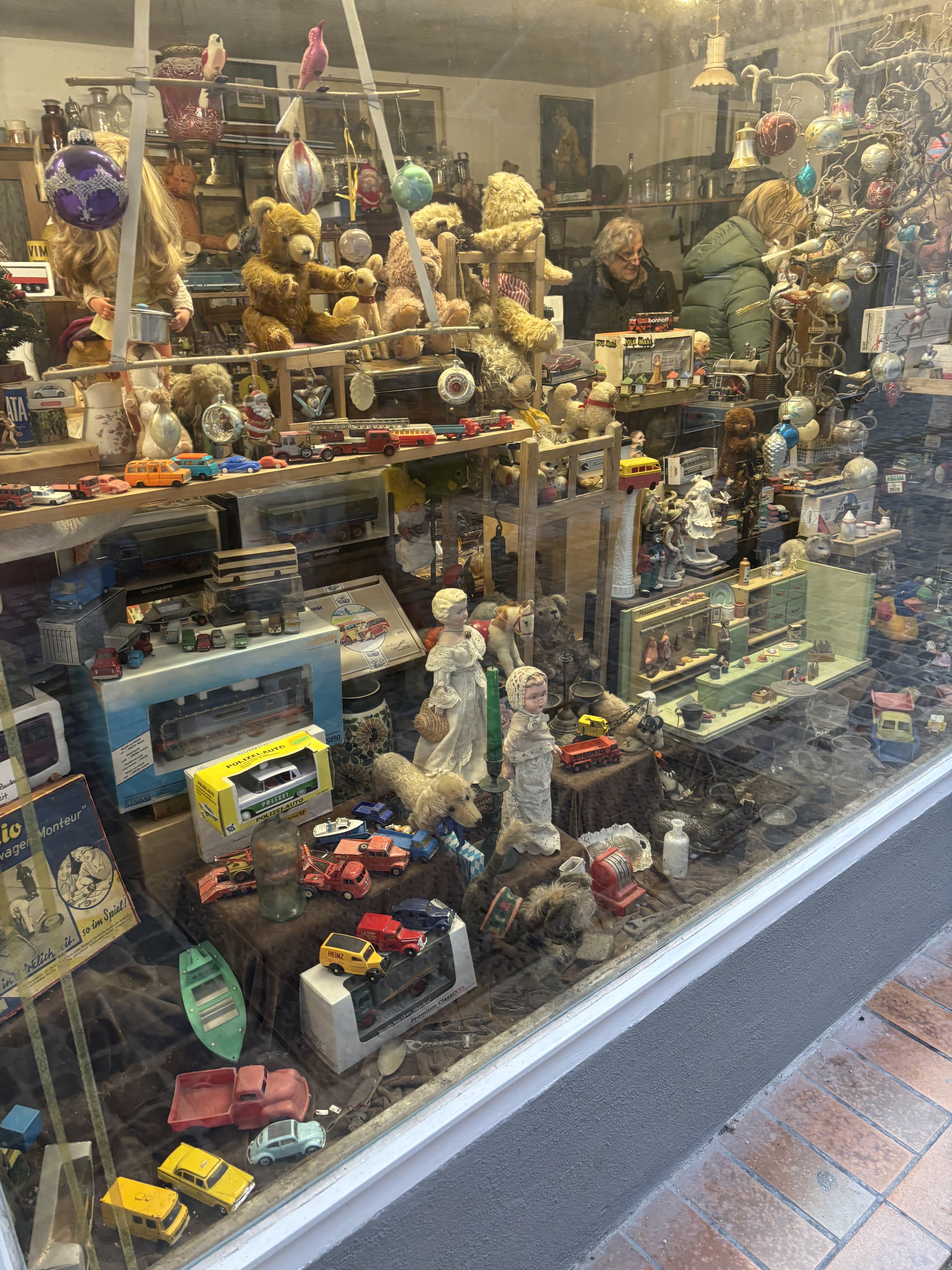
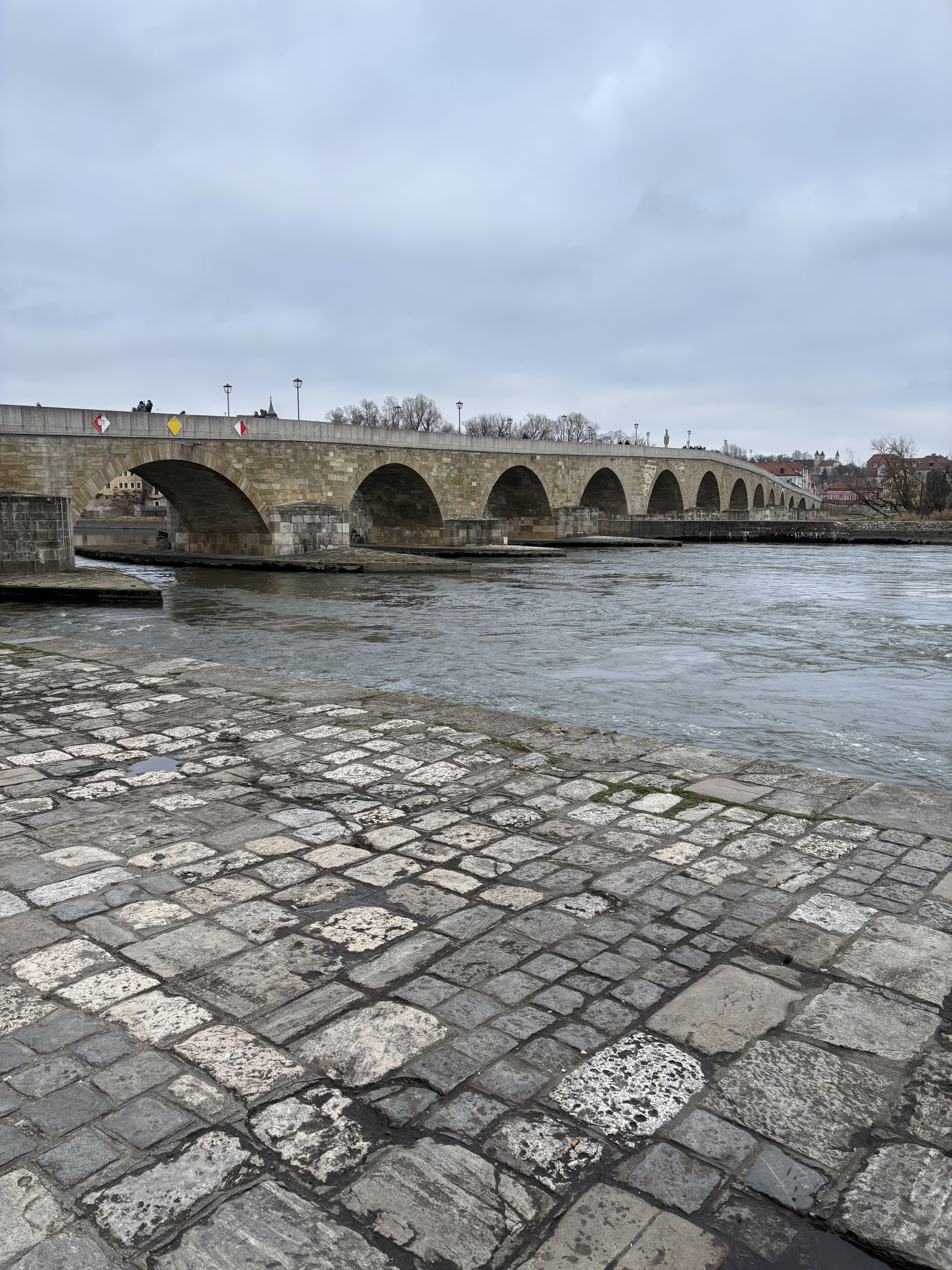
Eager to explore the area, I hopped aboard a train tour of Regensburg. The ride offered a relaxed way to get my bearings and take in views of the Danube River as it cut its path through the city. Along the way, the guide pointed out several historic landmarks and hidden gems. One particularly interesting highlight was the story of a local hatmaker whose work earned international fame—he crafted the hat worn by Johnny Depp in Alice in Wonderland, right here in Bavaria. It’s that kind of unexpected detail that gives a place its soul.
Dinner that evening was at Weltenburger am Dom, a traditional Bavarian restaurant with a warm, rustic atmosphere. I ordered rabbit and sauerbraten, a slow-cooked marinated roast that practically melted in my mouth. The flavors were rich, earthy, and comforting—perfect for a chilly winter night.
One of the more touching stories I encountered was about a local woman who collects used wax from nearby churches. She recycles the remnants into handmade angel candles, which she gives to people in need of comfort or a blessing. Each one carries not only light but intention, forged from the sacred spaces where prayers have been whispered for centuries. It’s a quiet, beautiful tradition that reflects the heart of this community.
The Christmas market at the castle was exactly what you’d hope for and more. Nestled inside ancient stone walls, it offered a fairytale-like setting for browsing handmade ornaments, wood-carved toys, hand-knitted scarves, and all kinds of seasonal treasures. Traditional German fare like bratwurst, roasted chestnuts, and hot glühwein filled the air with delicious scents, while musicians played carols and children laughed beneath twinkling lights.
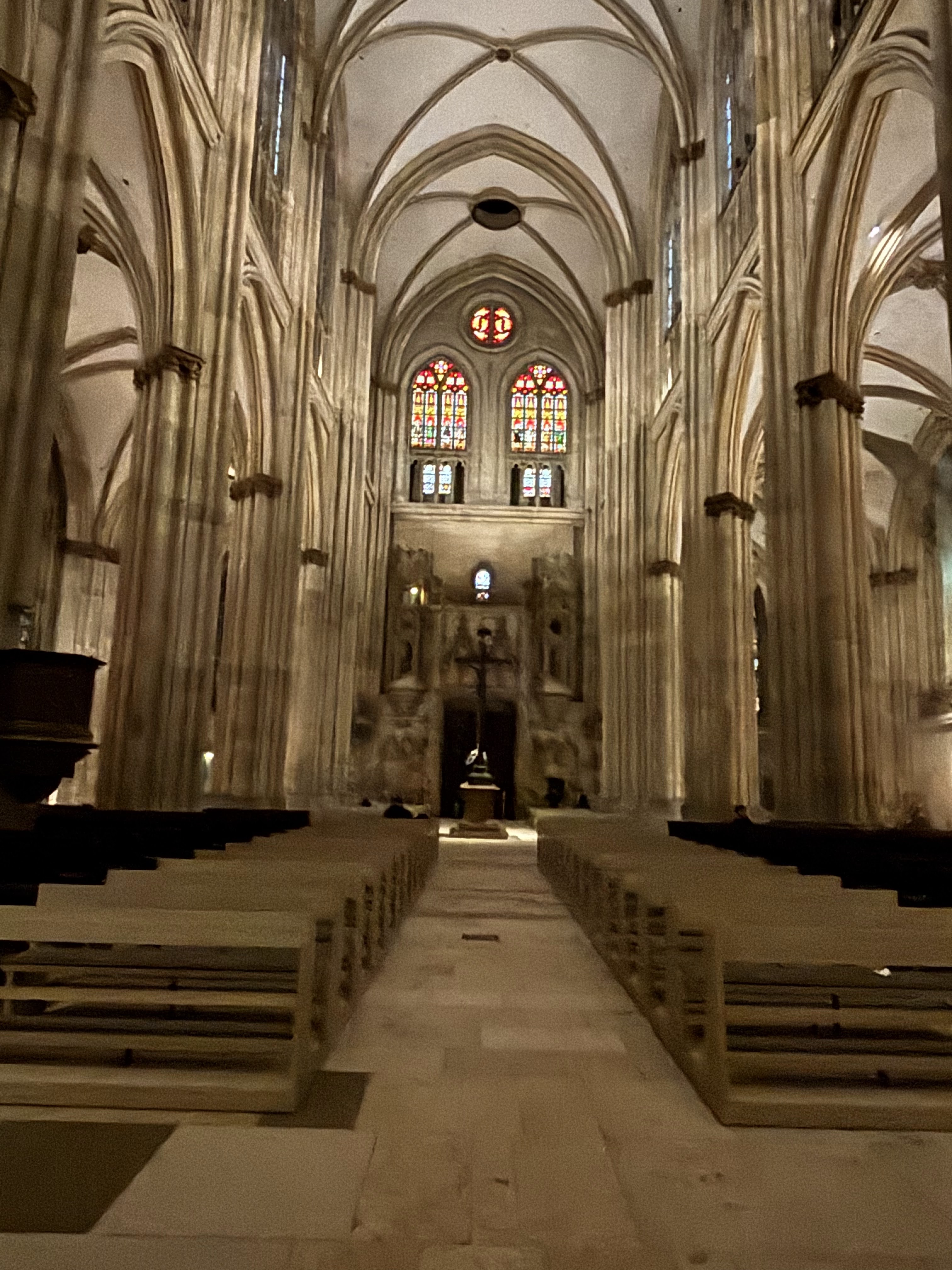
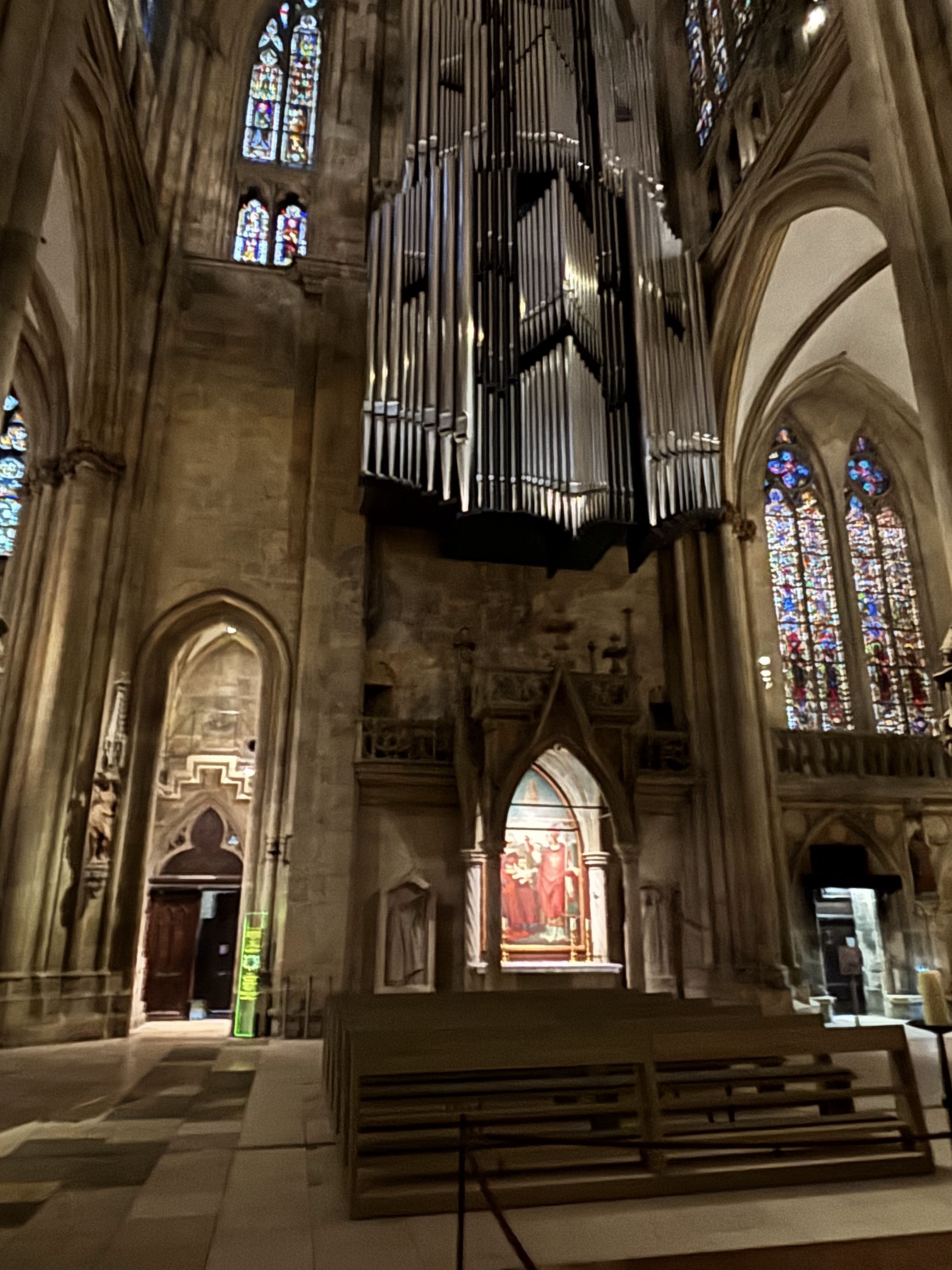
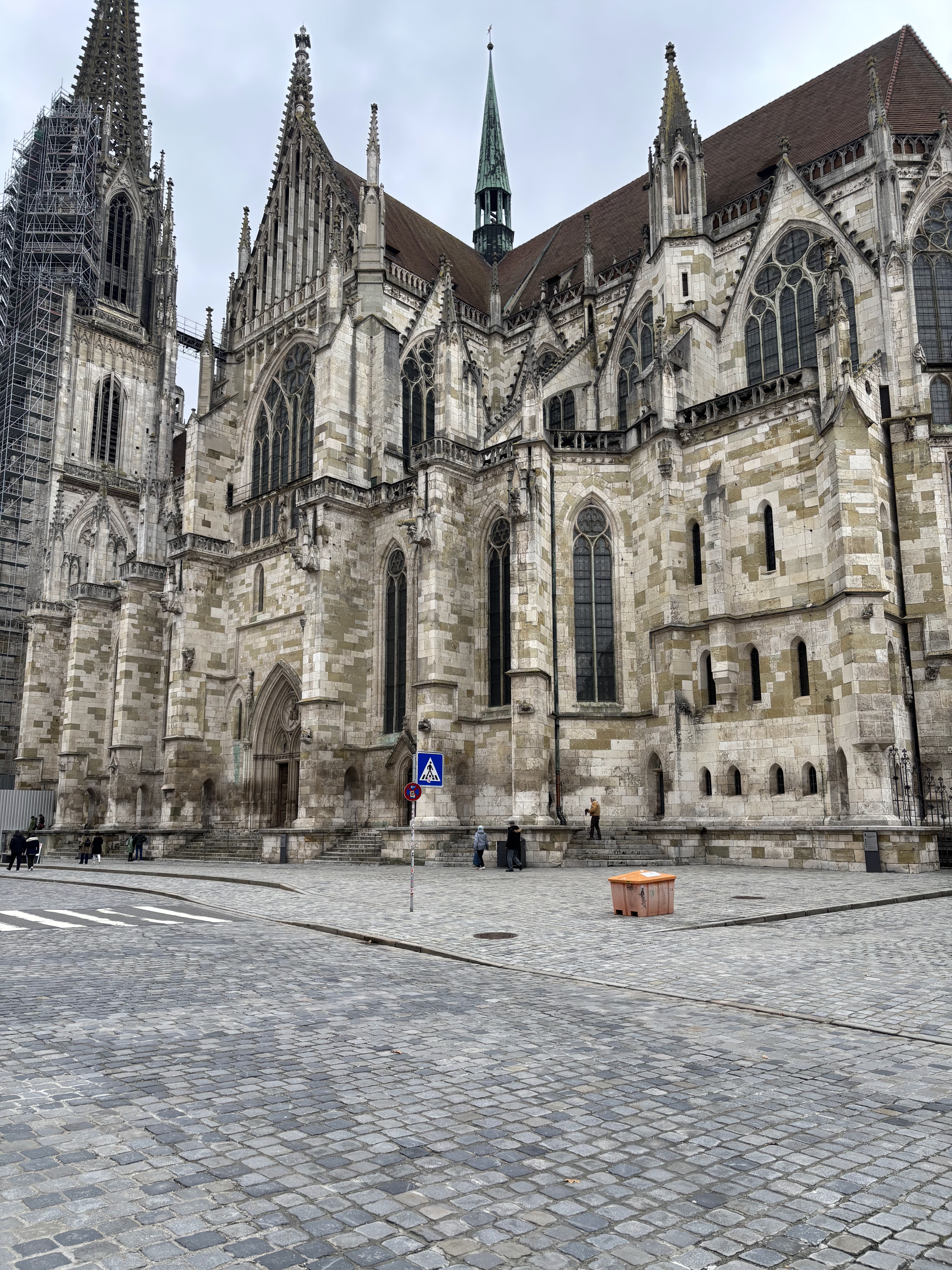
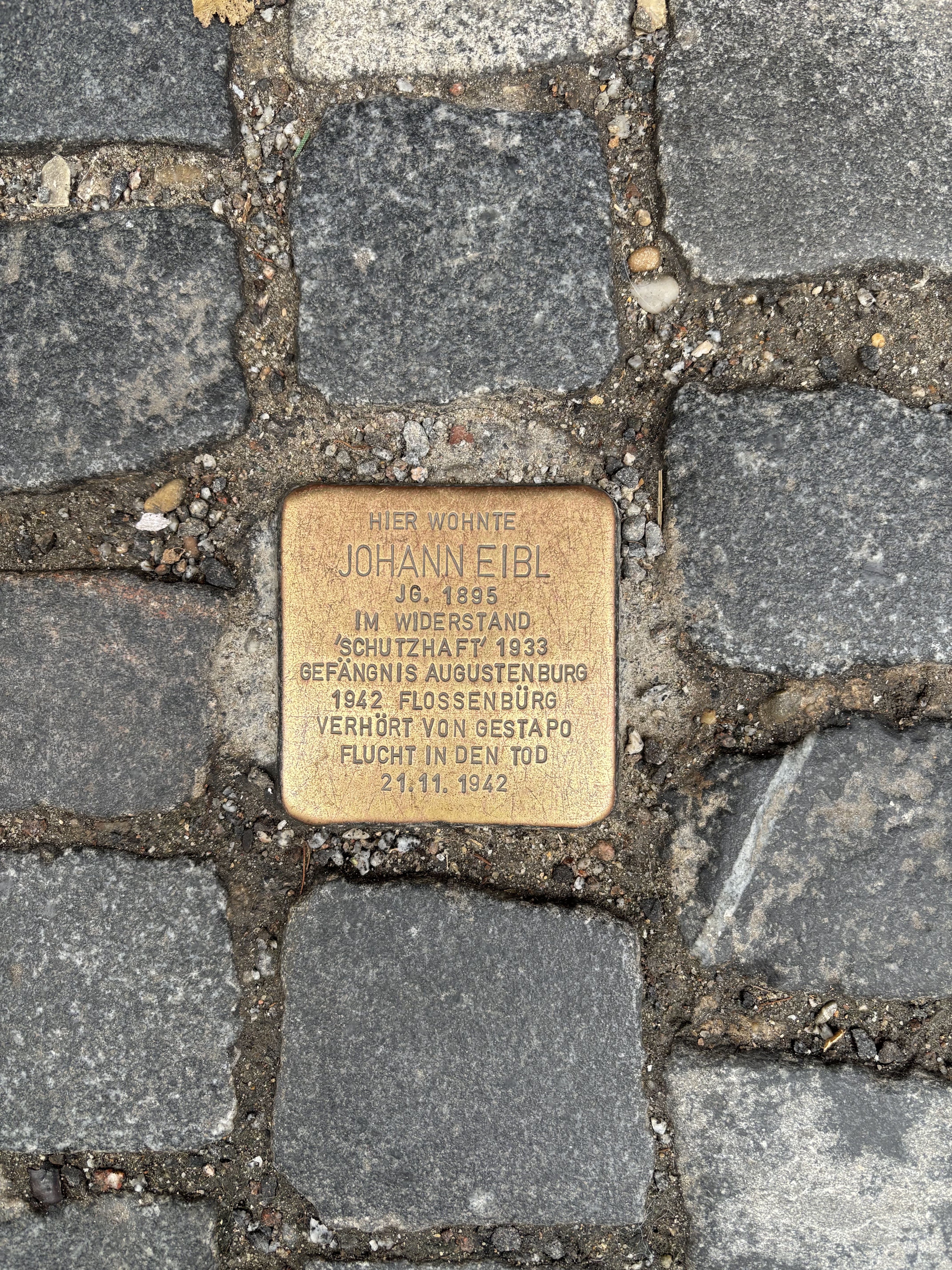
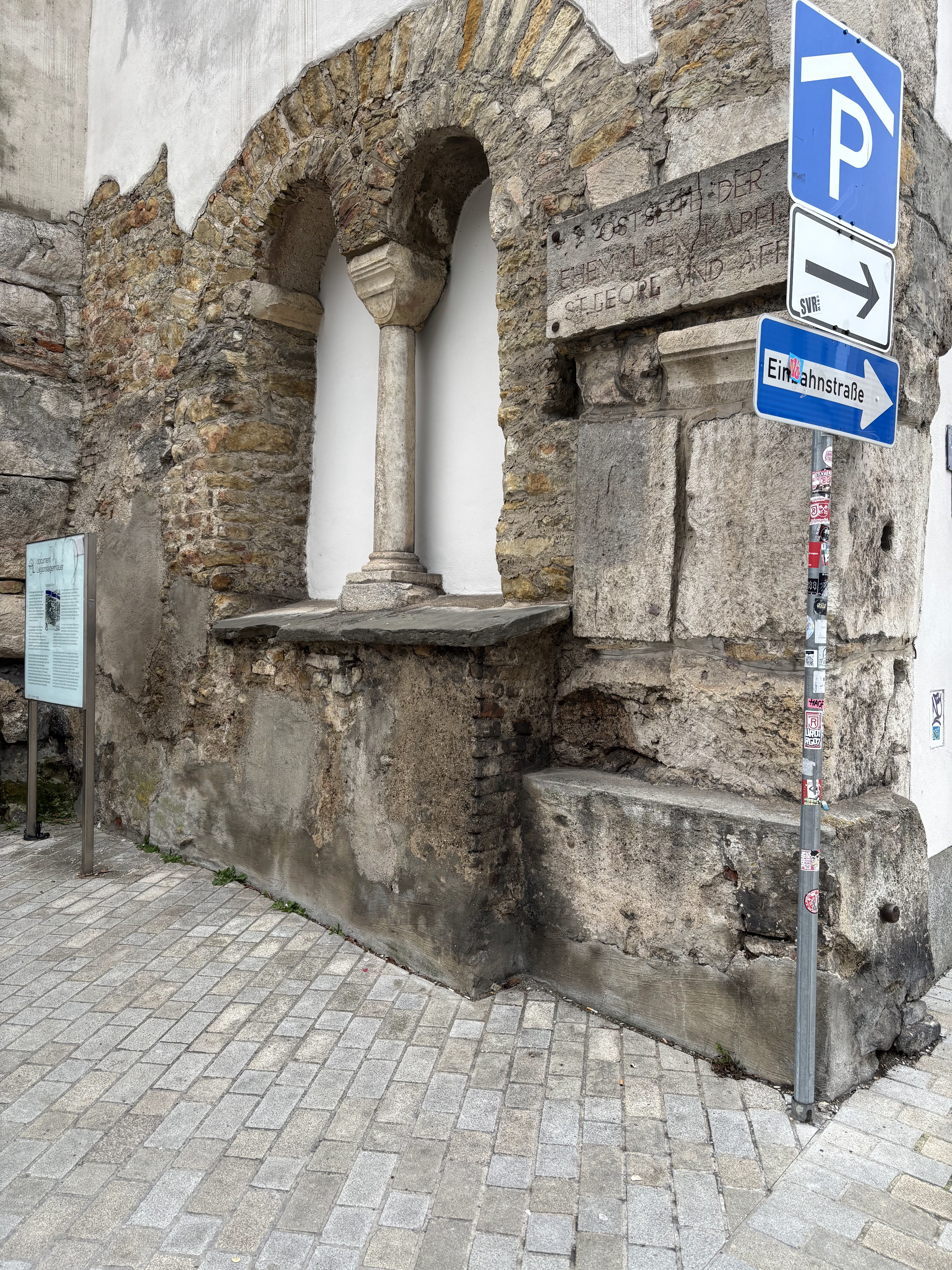
Another unforgettable experience was the tour of Regensburg Cathedral. This towering Gothic structure is a marvel of medieval engineering, built on the remains of an old synagogue. Inside, the soaring ceilings and intricate stained glass windows created an atmosphere of awe and reverence. Outside the cathedral, I came across something truly moving—gold-veneered cobblestones engraved with the names of Jewish residents who died in the Holocaust. These “stumbling stones” are scattered throughout the city as a memorial to lives lost and a somber reminder of the past. It was humbling to see how Regensburg continues to honor its history with both dignity and grace.
From Regensburg, I took the train to Nuremberg, a city with its own unique blend of medieval charm and heavy historical weight. The old town was bustling with life, its narrow lanes lined with half-timbered houses and lively street vendors. Nuremberg’s Christmas market was larger and more international than Regensburg’s, with booths representing thirty to forty countries from around the world. Each stall offered something different—French cheeses, African handcrafts, South American sweets—turning the square into a colorful tapestry of global holiday cheer.
High above the city stood the Imperial Castle of Nuremberg, once a key seat of power for the Holy Roman Emperors. Dating back to the 11th century, the castle has served as a stronghold, a royal residence, and a symbol of imperial authority for nearly a thousand years. Touring its halls and climbing its towers, I was struck by the weight of history embedded in the stone. From the castle walls, you can look out over the rooftops of Nuremberg and imagine the centuries that have passed beneath them.
At the foot of the castle, I met a couple who reminded me how small and wonderful the world can be. I asked—using my best rudimentary German—if I could share a table with them, and they welcomed me without hesitation. Their names were Amy and Matt White, the friendly and down-to-earth owners of Beachcrest Brewery in Oregon. Over steins of crisp beer and a plate of cured bacon, we swapped stories about travel, food, and how life has a way of bringing strangers together in the most unexpected places. It was the kind of connection that feels fleeting but sticks with you, adding a touch of warmth to the winter air.
Just across the river lies the Executioner’s House, now a museum that offers a rare and unsettling glimpse into the city’s darker past. The executioner, though an essential figure in medieval society, was often shunned and forced to live apart from the rest of the population. Inside the museum, displays of torture devices, legal documents, and grim tools of the trade painted a vivid picture of justice as it was once practiced. It’s not a cheerful stop, but an important one—a reminder that history isn’t always beautiful, and that the stories of the past are often complicated.
Looking back, my journey through Bavaria was more than just a holiday escape. It was a tapestry of experiences—some joyful, some somber, all unforgettable. Whether sipping mulled wine in a centuries-old market, standing in silent reflection at a Holocaust memorial, or gazing out from the battlements of an ancient castle, I found myself constantly moved by the region’s depth of character. Bavaria wears its history with pride and honesty, and in doing so, offers travelers a rare and meaningful kind of magic.
Next on Mike on the Move: I trade snowy rooftops for sun-soaked piazzas as I head south to Palermo, Sicily—a city bursting with baroque architecture, chaotic charm, and the best cannoli you’ll ever taste. Stay tuned.

 Mike on the Move
Leave a comment